Cathay expands Airbus A350F order with two additional freighters
 Desk Report
| Published: Thursday, May 28, 2026
Desk Report
| Published: Thursday, May 28, 2026
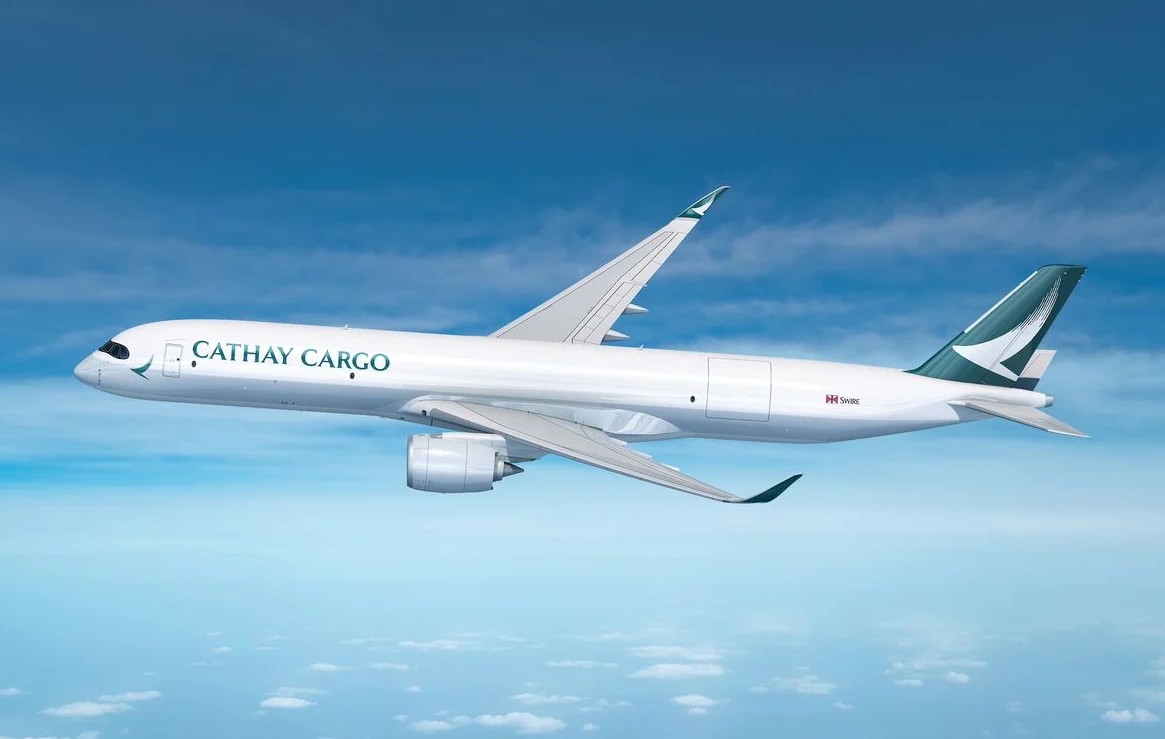
Photo: Airbus
Hong Kong-based Cathay Group has ordered two additional Airbus A350F cargo aircraft, increasing its total commitment to eight of the next-generation freighters, Airbus said in a press release issued on Wednesday.
The aircraft will be operated by Cathay Cargo, the airline group’s freight division, as part of efforts to expand cargo capacity and improve efficiency across its international network amid evolving demand in the global air freight sector.
The order strengthens Cathay Group’s investment in modernising its cargo fleet and reinforces confidence in long-term growth prospects, according to statements issued by the airline and Airbus.
“We are pleased to further strengthen our fleet with these additional A350F freighters that will provide greater connectivity at our home hub and more choices for our customers,” Cathay Group Chief Executive Ronald Lam said in the statement.
“This strategic, future-ready investment reflects our resolute confidence in our long-term growth prospects and supports Cathay Cargo’s goal of being the world’s best air cargo carrier,” he added.
Airbus welcomed the repeat order, describing it as a sign of confidence in the aircraft’s operational capabilities and efficiency.
“Cathay’s continued endorsement of the A350F is another powerful signal that the A350F brings a new generation of freighter capacity and efficiency,” said Benoît de Saint-Exupéry, Executive Vice President of Sales for Airbus’ commercial aircraft business.
He said the aircraft would integrate smoothly with Cathay’s existing Airbus fleet due to operational commonality with A350 passenger aircraft and support the airline’s decarbonisation objectives.
Designed specifically for long-haul cargo operations, the A350F is capable of carrying payloads of up to 111 tonnes over distances of as much as 8,700 kilometres (5,406 miles), according to Airbus. The aircraft is built with more than 70 percent advanced materials and is significantly lighter than comparable freighters, which Airbus says contributes to lower fuel use.
Powered by Rolls-Royce Trent XWB-97 engines, the aircraft is expected to reduce fuel consumption and carbon emissions by up to 20 percent compared with previous-generation freighters of similar capacity. Airbus also said the A350F is the only newly developed freighter fully compliant with the International Civil Aviation Organization’s 2027 carbon dioxide emissions standards.
The freighter can currently operate using up to 50 percent sustainable aviation fuel (SAF), with Airbus targeting full compatibility with 100 percent SAF by 2030.
While the acquisition is unlikely to directly affect passenger operations, aviation analysts say fleet investments in cargo aircraft reflect continued strategic importance of air freight, particularly as airlines seek to diversify revenue streams following disruptions in global supply chains in recent years.
As of the end of April 2026, Airbus said the A350F programme had secured 101 firm orders from 14 customers worldwide, signalling growing demand for more fuel-efficient cargo aircraft as carriers modernise ageing freighter fleets.

Make Comment
Login to CommentPopular News





Subscribe to News Letter
Latest News