Do Boeing 747-8, 787 share same engine?
 Desk Report
| Published: Friday, January 02, 2026
Desk Report
| Published: Friday, January 02, 2026

File Photo
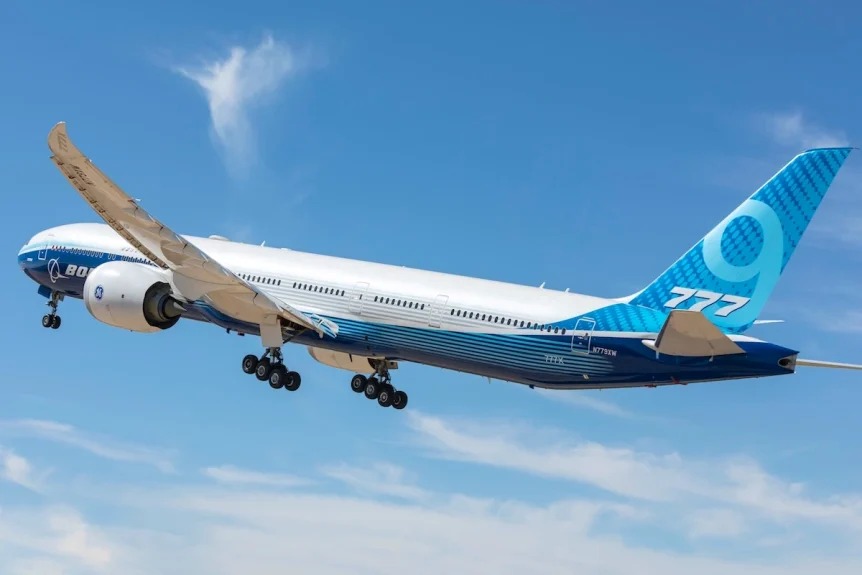
Boeing 747-8 and 787 Dreamliner are powered by engines from
same GEnx family, though variants are specifically optimized for each
aircraft's distinct operational requirements.
GEnx-1B powers 787 Dreamliner while GEnx-2B drives 747-8.
Both engines share common high-pressure core and 80% of their Line Replaceable
Units, simplifying maintenance, parts inventory and technician training for
airlines operating both aircraft types.
GE Aviation confirmed that GEnx was fastest selling engine
in company's history and now represents fastest production ramp up of GE
widebody engine programme. Engines offer approximately 15 percent better fuel
efficiency than older CF6 engines they replaced.
Most fundamental difference lies in how engines interact
with aircraft's internal systems. Boeing 787 uses bleedless architecture where
most systems are powered electrically. In contrast, 747-8 uses traditional
bleed air system to power environmental controls and start engines, requiring
GEnx-2B to include bleed air ports.
GEnx-2B features smaller fan diameter of 105 inches compared
to 787's 111 inches to fit 747's wing and ground clearance requirements. Engine
produces roughly 66,500 pounds of thrust, whereas 787 variants can reach up to
76,100 pounds.
Because 747-8 has four engines while 787 has only two,
GEnx-2B is simplified internally to be lighter and optimized for lower
per-engine thrust requirement. Engine has fewer stages in booster and
low-pressure turbine for four-engine configuration.
Boeing 787 burns significantly less fuel, using
approximately 2,900 gallons per hour compared to 747's 3,800 gallons. Aircraft
achieves 2.31 litres per 100 kilometres per passenger efficiency, notably
better than 747-8's 2.82 litres.
GEnx family is designed to stay on wing 20 percent longer
than previous generations, with some fleet leaders exceeding 30,000 hours
without major overhaul. Both aircraft feature distinctive serrated chevrons on
engine nacelles, which mix hot exhaust with cool air, significantly reducing
noise.
Boeing 787 costs significantly less to operate with lower
cost per available seat mile. Airlines typically prefer smaller twin-engine
aircraft as they are less risky to fill and fly.
Source: Boeing, Eplaneai, EDC, Airwaysmag, Aviator, Geaerospace and
Avisoma.

Make Comment
Login to CommentPopular News





Subscribe to News Letter
Latest News