IATA hails ICAO air transport conference outcome
 Desk Report
| Published: Saturday, November 21, 2026
-IATA
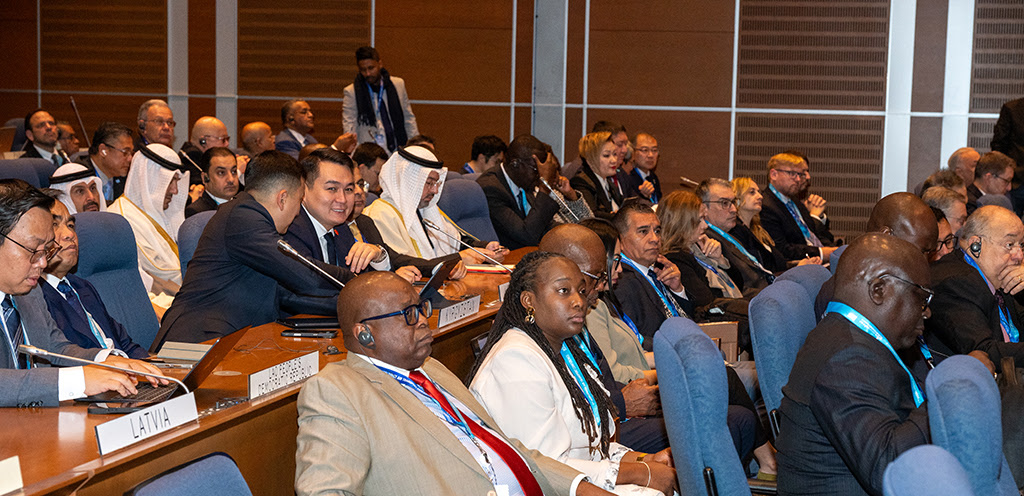
The International Air Transport Association (IATA) on Friday welcomed the conclusion of the 7th ICAO Worldwide Air Transport Conference (ATConf/7), saying governments backed priorities for a more connected, competitive, sustainable and passenger-focused global air transport system.
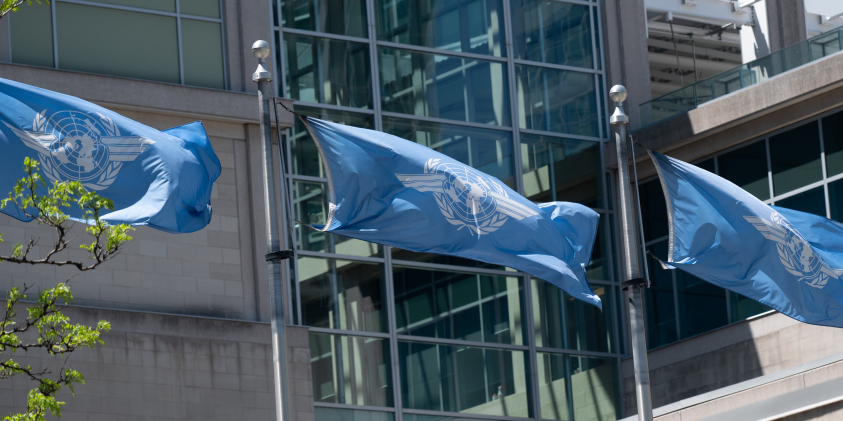
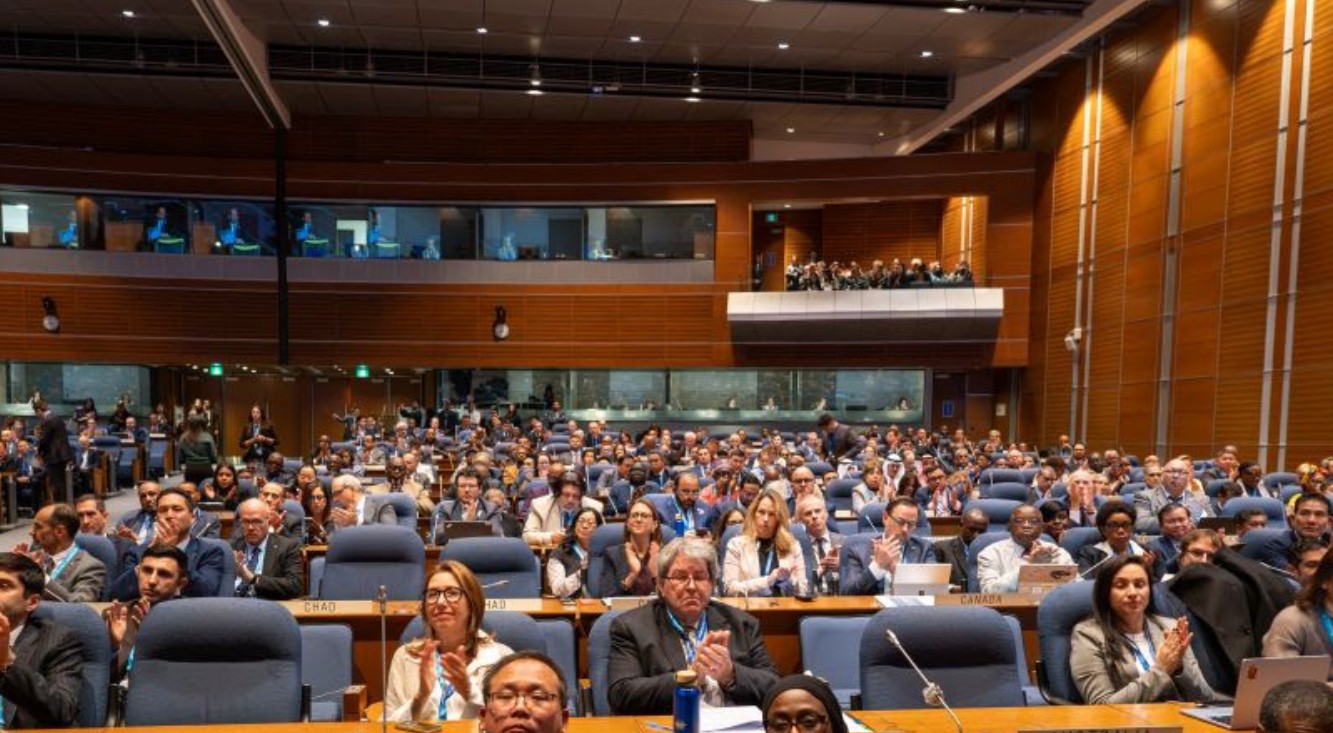
The conference was held in Montreal from Nov 16 to 20 and brought together member states of the International Civil Aviation Organization (ICAO) and industry stakeholders. Its theme was "Air Transport: Powering Global Connectivity, Economic Development and Resilience in a Dynamic World", IATA said. It covered economic regulation, consumer protection, infrastructure financing, innovation, resilience and sustainable growth, against a background of rising industry costs, capacity constraints and fragmented policies, particularly on sustainability.
IATA, an official observer to ICAO, said it submitted nine papers—six working papers and three information papers on economic regulation, consumer protection, airport and air navigation charges, sustainable aviation fuels (SAF), the Carbon Offsetting and Reduction Scheme for International Aviation (CORSIA), taxation, digital identity, and passenger facilitation.
IATA listed the following outcomes as matching its priorities:
-- Economic regulation: IATA urged governments to put connectivity, competitiveness and economic development at the centre of regulation, and proposed that ICAO develop practical regulatory practices, including the systematic use of impact assessments and cost-benefit analysis.
-- Consumer protection: IATA said governments recognised the importance of protecting passengers while preserving choice and competition. It called for clear, consistent information so travellers understand their rights and responsibilities.
-- Infrastructure charges: IATA said the conference reinforced ICAO principles on economic oversight of airports and air navigation service providers, and called for independent regulation based on cost-relatedness, transparency and consultation.
-- Sustainability: IATA called on governments to go beyond SAF mandates and adopt coordinated policies to stimulate production, investment and infrastructure. It also urged governments to reinforce CORSIA as the single global market-based mechanism for international aviation emissions and to avoid overlapping national or regional measures.
-- Travel facilitation: IATA and Airports Council International (ACI) highlighted globally interoperable digital identity. IATA also pressed for consistent implementation of ICAO Annex 9, harmonised Advance Passenger Information and Passenger Name Record requirements, and recognition that governments are responsible for decisions on passenger admissibility.
-- Taxation: IATA and ACI urged governments to ensure emerging international tax rules respect ICAO's framework, avoiding double taxation and overlapping taxing rights.
Thomas Reynaert, IATA's Senior Vice President for External Affairs, said the conference showed "the unique value of ICAO" in bringing governments and industry together. He said air transport supports 99 million jobs and generates $5 trillion in economic impact, and that governments signalled these benefits are greatest when regulation supports connectivity, competition and innovation.
Reynaert said the first priority now should be for European Union member states to support CORSIA and prevent the cost and confusion of overlapping carbon programmes that he said would result from the proposed expansion of the EU Emissions Trading System. He also said air cargo needs regulatory frameworks tailored to its operations, and that IATA would work with ICAO and governments to keep up the momentum from Montreal.
IATA said ATConf/7 was the first ICAO worldwide air transport conference since 2013. It said a sharp rise in fuel prices and the cost of living means air passenger growth in 2026 will likely be the lowest since 2009, excluding the pandemic years.
IATA represents more than 380 airlines, accounting for about 85 percent of global air traffic.

Make Comment
Login to CommentPopular News




Subscribe to News Letter
Latest News