Perishables to plane parts stranded as Middle East conflict hits air cargo
 Desk Report
| Published: Friday, March 06, 2026
Desk Report
| Published: Friday, March 06, 2026
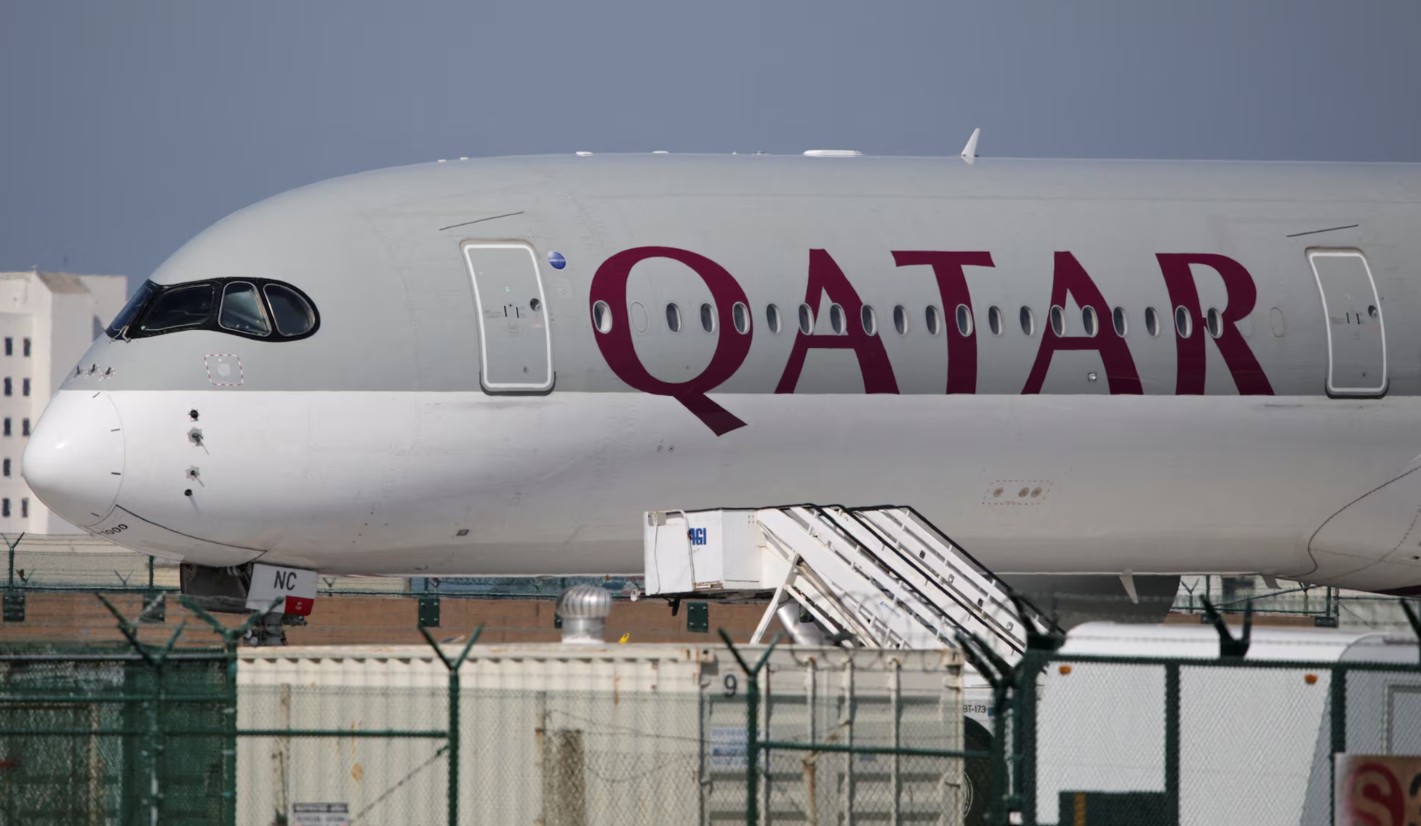
Photo: Collected
-Conflict in Iran grounds flights across Middle East
-Middle Eastern carriers account for 13% of global air cargo market
-Conflict reduced global air cargo capacity by 22%, Aevean says
-Spot rates expected to jump on Asia-Europe routes, analyst says
Shipments ranging from fresh produce to airplane parts are in limbo as the Middle East conflict squeezes cargo capacity and pushes up freight rates.
The U.S. and Israeli air war against Iran has grounded passenger and freighter flights across the region, including in Doha and Dubai, two of the world's largest cargo hubs.
That has led to a 22% reduction in global air cargo capacity, according to data from aviation and logistics consulting firm Aevean.
"It is an absolute halt of the supply chain to the Middle East," said Abdol Moaberry, CEO of Florida-based GA Telesis, which provides aircraft parts and repairs.
Air cargo accounts for about one-third of global trade by value, according to the International Air Transport Association.
Goods range from Apple products to temperature-controlled pharmaceuticals, fresh fruit, and auto parts carried in the bellies of passenger planes and on dedicated freighters.
According to an index by Spanish booking platform Freightos, rates from Southeast Asia to Europe have climbed more than 6% since Friday, and South Asia rates to the United States are 5% higher.
"Shippers may begin to see higher spot rates on the Asia–Europe corridor, particularly if the disruption persists and capacity constraints continue," said Joshua Ng, director at Alton Aviation Consultancy.
ASIA-EUROPE ROUTES AFFECTED
Middle East-based carriers account for about 13% of global air cargo capacity, and Qatar Airways is the world's second-largest freight carrier after FedEx, according to IATA.
Brian Bourke, chief commercial officer at SEKO Logistics, said Europe and the Asia-Pacific region, which rely more heavily on Middle Eastern hubs, would experience a greater impact.
"Companies in the U.S. should be paying attention," he said. "But it's not as immediate, as if you're in Europe or Asia or Australia."
Air cargo capacity on the corridor from Asia to the Middle East to Europe has declined 39% since the start of the conflict, while China-Europe flows increased by 26%, Aevean said.
Among the potential winners are Chinese airlines, Ng said. They can fly through Russian airspace, saving time and money compared to Western rivals barred by Ukraine-related sanctions.
But the disorder has already led the world's largest freight forwarder, Kuehne+Nagel, to warn of backlogs of goods within days in Southeast Asia and China for Europe and the U.S.
SEA AND AIR GRIDLOCK
Experts assert that unraveling the chaos is especially challenging due to its impact on both the sea and the air, a reflection of the Gulf's growing prominence as an integrated logistics hub.
Air cargo had provided a fallback for freight affected by two years of attacks on shipping in the Red Sea, but the new conflict has narrowed the escape route for goods stuck at sea.
"During times of crisis more cargo finds its way into the air due to time-sensitivity or high profit margins. Right now it is more fluid," said Peter Sand, chief analyst at Danish freight analytics firm Xeneta.
For many end-user companies, that will mean an increase in working capital, putting a strain on cash flow.
Despite efforts since the pandemic and Red Sea crisis to inject more breathing room into "just-in-time" manufacturing, which has seen firms like automakers hold more stock, the Gulf bottleneck will hold up critical assembly-line parts, Sand said.
The aviation industry is itself impacted by shortages of parts, something that could delay the return to normal.
"Even if the aircraft is not flying because of the war, the aircraft still has to be airworthy for when the skies open up," said Amyr Qureshi, senior vice president at Aventure Aviation, which stocks parts for Gulf carriers in the United States.
Qureshi said many carriers have been calling urgently for parts. "If the part doesn't arrive on time, the airplane sits in the hangar more," he said, adding, "It's a 'domino effect.'"
Source: Reuters

Make Comment
Login to CommentPopular News




Subscribe to News Letter
Latest News