Qantas mulls offshoring up to 1000 jobs to India in AI deal
 Desk Report
| Published: Wednesday, August 05, 2026
Desk Report
| Published: Wednesday, August 05, 2026
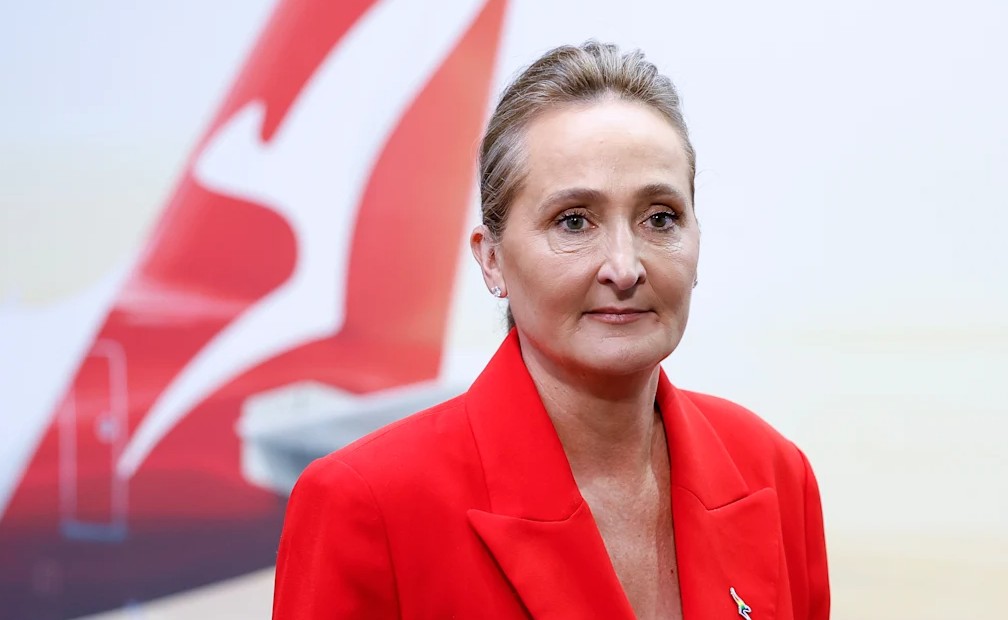
Qantas chief executive Vanessa Hudson. Photo: Collected
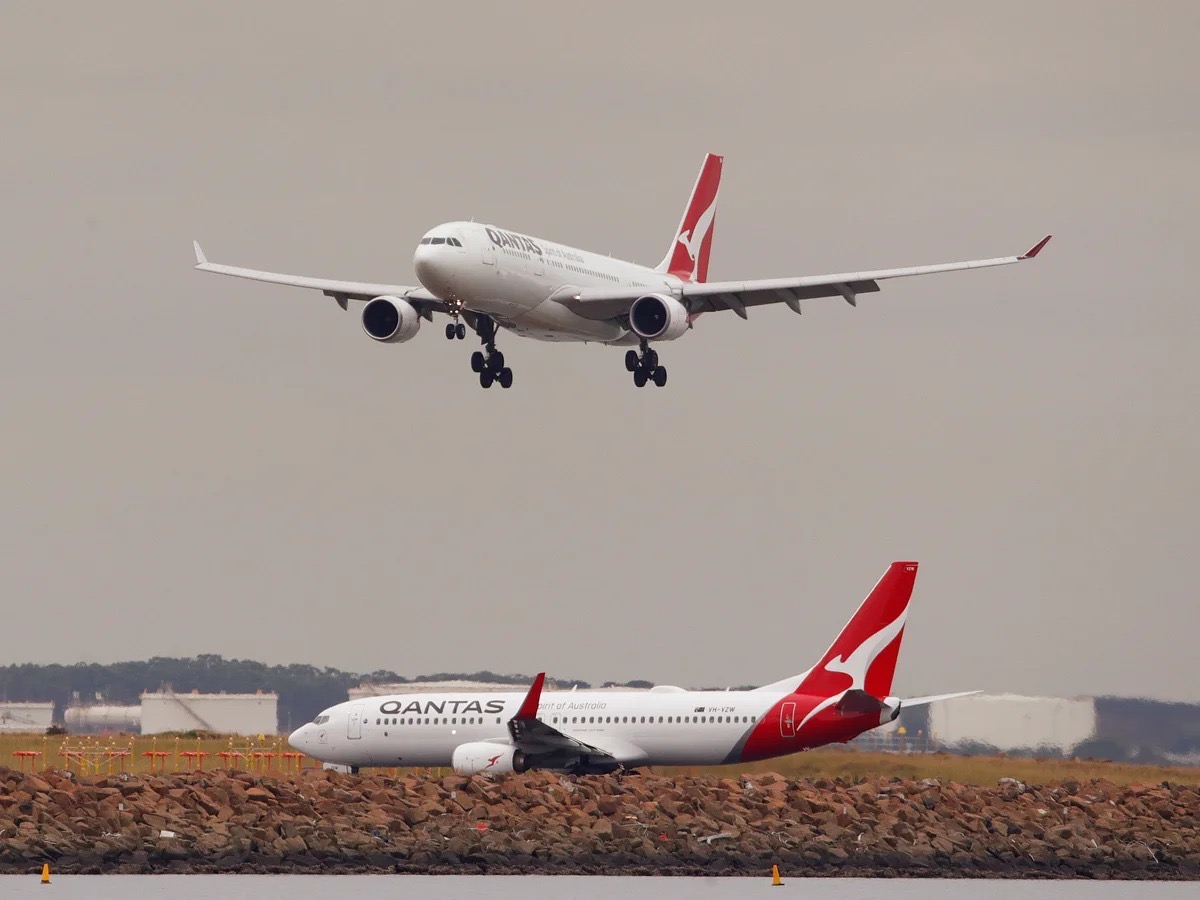
Qantas is considering outsourcing up to 1000 roles to India as part of a deal with consulting giant Accenture that looks to harness the power of artificial intelligence.
The airline on Tuesday confirmed that it was in discussions with Accenture over an outsourcing deal and that it would consider shifting jobs in marketing, finance, human resources and other back-office positions. The Australian Services Union, however, said it had been told by the airline that no job losses were being considered.
The potential deal involving up to 1000 roles was first reported by The Australian Financial Review, but Qantas did not confirm how many jobs could be affected.
A Qantas spokesperson said the airline was “looking at ways to accelerate the use of technology and AI to help us modernise the way we work and deliver better outcomes for our customers and our people”. The changes are part of a plan called Project iQ.
“We have been exploring partnerships that have the capability to support us and are in early-stage discussions with Accenture, but no formal agreement is in place and no decisions have been made,” they said.
“We have added thousands of operational roles in Australia in the past few years, including pilots ... and engineers, and will hire thousands more over the coming years.”
A final decision on the plan has not been made, the spokesperson added. Accenture referred questions to Qantas.
In February, Qantas and the Australian Services Union clashed over job security amid a round of job cuts linked to new technology used at the airline’s Sydney headquarters.
In May, at a media roundtable, chief executive Vanessa Hudson said the company had no limits in how it was considering the use of AI.
“I don’t think it’s the right thing to only think about the value that AI can give is only through headcount reduction,” Hudson said.
In aviation, AI is useful in anticipating the maintenance needs of planes, which allows for more efficient fleet usage. It is already integrated into the Airbus Skywise predictive maintenance system that is used by Qantas and Jetstar.
“In terms of the amount of use cases that we see for AI right now ... We’ve got more use cases than we think that we can actually execute on in the short term,” Hudson told the media.
“We’re very excited about what AI does, but ... it’s not accurate to just think about it through the lens of headcount.
“AI can deliver a lot of value in other ways.”
The ASU says Qantas told it there are no plans for jobs to be lost under Project iQ. The ASU is calling on Qantas to commit to genuine consultation with affected workers before any final decision is made.
ASU assistant national secretary Scott Cowen said the report is of huge concern to the union’s members.
“What matters is that Qantas has informed that there is no plan to offshore any Australian jobs, and we demand the airline stay true to these commitments,” Cowen said.
“If that commitment from Qantas turns out to be worthless, it won’t just be a broken promise to the ASU. It will be a deep breach of trust with the Australian public.”
The ASU said Qantas has a history of outsourcing and offshoring Australian jobs. Any move to replace skilled head office staff with automation or AI will damage the airline’s operational capacity, the ASU said.
Qantas, meanwhile, said it made no pledges on jobs to the ASU and would continue to meet with the union.
The managing director of fund manager Whitefield Industrials, Angus Gluskie, said that if Qantas chooses to outsource a large number of roles in marketing, finance and HR, the airline would run “the risk of losing skills and managerial control in areas that are reasonably central operations”. Gluskie said the best businesses will “retain responsibility for mission-critical functions in which they can achieve adequate depth”.
“While the outsourcing arrangement will have been crafted to offer an apparent cost saving through technology, there are many instances where the loss of expertise and control can negatively affect quality and where the technology may fail to deliver benefits at the levels expected,” Gluskie said.
Qantas last year opened a new product innovation centre in Adelaide.
In December 2024, the airline announced a reduction in its group leadership team size as part of an effort to simplify structure. The changes reduced up to 400 roles across the company’s headquarters.
The aviation sector faces higher structural cost, driven by the oil crunch in the Middle East, as well as a drive to gain efficiencies sparked by the rollout of new technology such as AI.
Source: The Sydney Morning Herald

Make Comment
Login to CommentPopular News




Subscribe to News Letter
Latest News