
A Career in Heritage
প্রকাশ: রবিবার । আগস্ট ১৬, ২০২৬
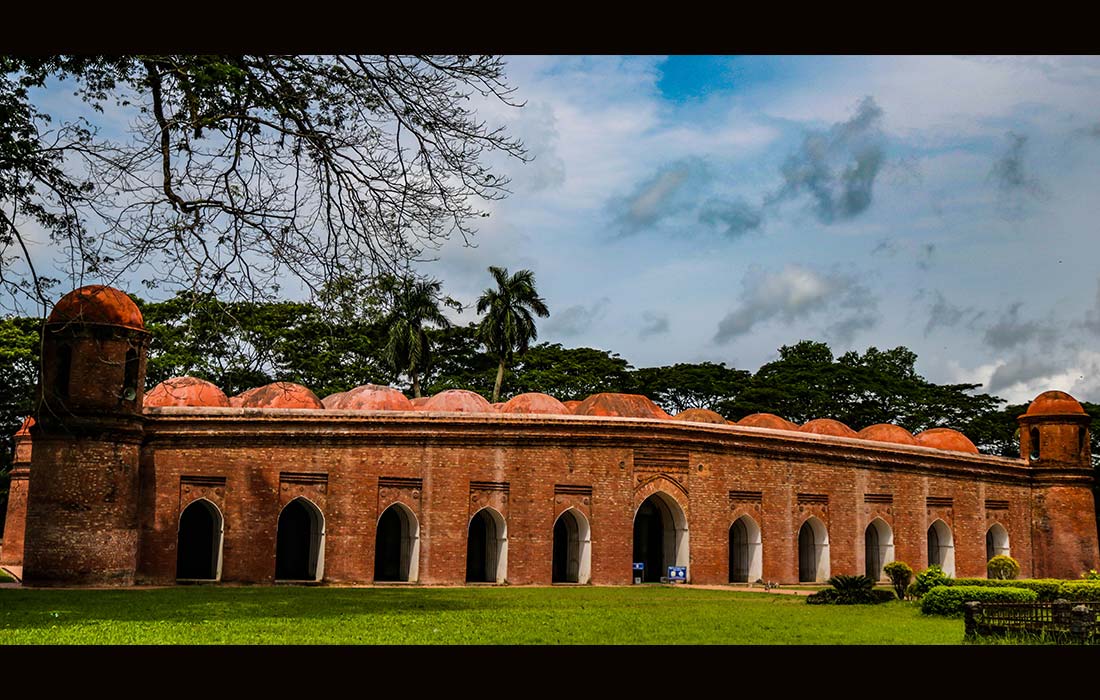
Walk through Paharpur's sprawling Buddhist monastery ruins in Naogaon, or stand beneath the sixty stone-and-brick domes of Bagerhat's mosque city, and you'll likely be handed the same experience millions of visitors before you received: a faded signboard, a guide reciting dates by rote, and little sense of why any of it matters. For a country sitting on three UNESCO World Heritage Sites and a dense layer of Buddhist, Islamic, and colonial history, that's a striking gap and a career opportunity hiding in plain sight.
Enter the Heritage & Archaeology Experience Curator, a role that barely exists in Bangladesh's hospitality sector today but is quietly taking shape elsewhere in the world. Unlike a traditional tour guide, a curator's job isn't to recite facts. It's to design the entire arc of an encounter with history: pacing a visit to Mahasthangarh so the sun hits the ruins at the right hour, weaving archaeological context with local folklore, coordinating with conservators and site authorities, and turning a walk through Sonargaon's old merchant houses into something closer to storytelling than sightseeing.
The skill set is unusual by hospitality standards. Part historian, part hospitality operator, part logistics coordinator, curators need enough archaeological literacy to work credibly with the Department of Archaeology, enough design sense to shape a guest journey, and enough commercial instinct to make heritage tourism financially viable for hotels and resorts investing in the space.
The opportunity is real. As Bangladesh's tourism strategy looks to diversify beyond Cox's Bazar, heritage sites offer an obvious, underused asset - sites that are internationally recognised but still poorly interpreted for visitors. A hotel group willing to invest in a dedicated curator role wouldn't just be adding a job title; it would be professionalising an experience currently held together by informal local guides, uneven signage, and word of mouth.
For young professionals eyeing hospitality careers, it's a compelling pitch: a job that rewards curiosity over routine, blends academic depth with guest-facing creativity, and offers a rare chance to shape an entire category before it's been defined. Bangladesh has the ruins, the recognition, and the raw material. What it doesn't yet have, but could, is someone whose full-time job is making sure travellers actually understand what they're looking at.