
Air Arabia’s H1 profits drop, hit by regional conflict
প্রকাশ: শনিবার । আগস্ট ১৫, ২০২৬
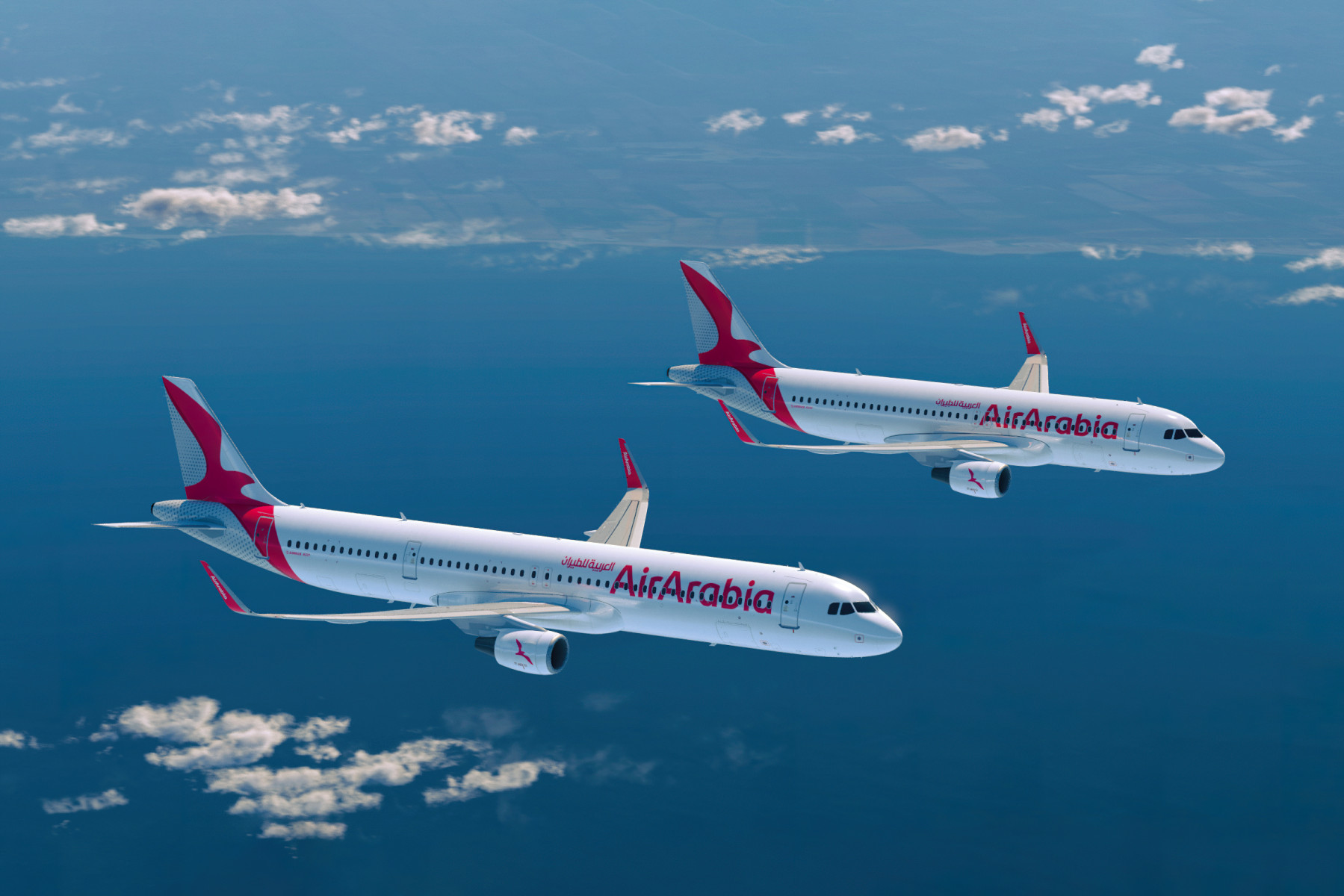
Air Arabia, the low-cost carrier based in Sharjah, one of the seven emirates of the UAE, reported a net profit of $101.8 million (Dh374 million) for the first half of 2026, down 51 percent from the same period last year, as regional conflict disrupted operations across its network, the company said Thursday.
Revenue for the six months ended June 30, 2026, declined 1 percent to $947.4 million (Dh3.48 billion), compared with $958.5 million (Dh3.52 billion) in the corresponding period of 2025.
More than 8.7 million passengers travelled across the airline's operating hubs during the first half, a 14 percent decline from H1 2025, reflecting reduced operating capacity resulting from the ongoing regional conflict. Despite the decline, the airline maintained an average seat load factor of 83 percent.
Q2 performance
For the second quarter alone, Air Arabia reported a net profit of $26.1 million (Dh96 million), down 77 percent year-on-year, while revenue fell 3 percent to $457.5 million (Dh1.68 billion). The carrier flew more than 3.9 million passengers during the quarter, a 23 percent decline from the same period last year, with the average seat load factor at 81 percent.
"Air Arabia's ability to remain profitable during the first half of the year, amid the geopolitical conflict that disrupted the aviation industry throughout the period, reflects the resilience of our business model, the strength of our financial position, and the agility of our management team," said Sheikh Abdullah Bin Mohammad Al Thani, chairman of Air Arabia.
"The conflict significantly impacted the industry through multiple airspace closures, reduced operating capacity, and rising operating expenses driven by record-high fuel prices. Throughout this period, we remained focused on maintaining network connectivity, adapting our operations to rapidly evolving circumstances, and exercising disciplined cost management while preserving operational efficiency," he added.
The airline said its first-half performance was largely affected by the regional conflict, which began in February and continued through the rest of the period, leading to airspace closures, temporary operational restrictions, reduced operating capacity, and record-high fuel prices.
Fleet expansion and new routes
During the first half, Air Arabia added six aircraft to its fleet, bringing its total to 96 owned and leased Airbus A320 and A321 aircraft. The carrier also launched five new routes across its operating hubs in the United Arab Emirates, Morocco, Egypt, and Pakistan.
Sheikh Abdullah expressed confidence in the outlook for the remainder of the year. "As market conditions continue to improve, we remain confident in the strength of the business fundamentals and our ability to navigate an evolving operating environment," he said.
Source: Khaleej Times. Figures are converted from UAE dirhams at a fixed exchange rate of Dh3.6725 to $1.