
Air Canada takes delivery of first Airbus A321XLR, boosting long-haul expansion plans
প্রকাশ: শনিবার । এপ্রিল ২৫, ২০২৬
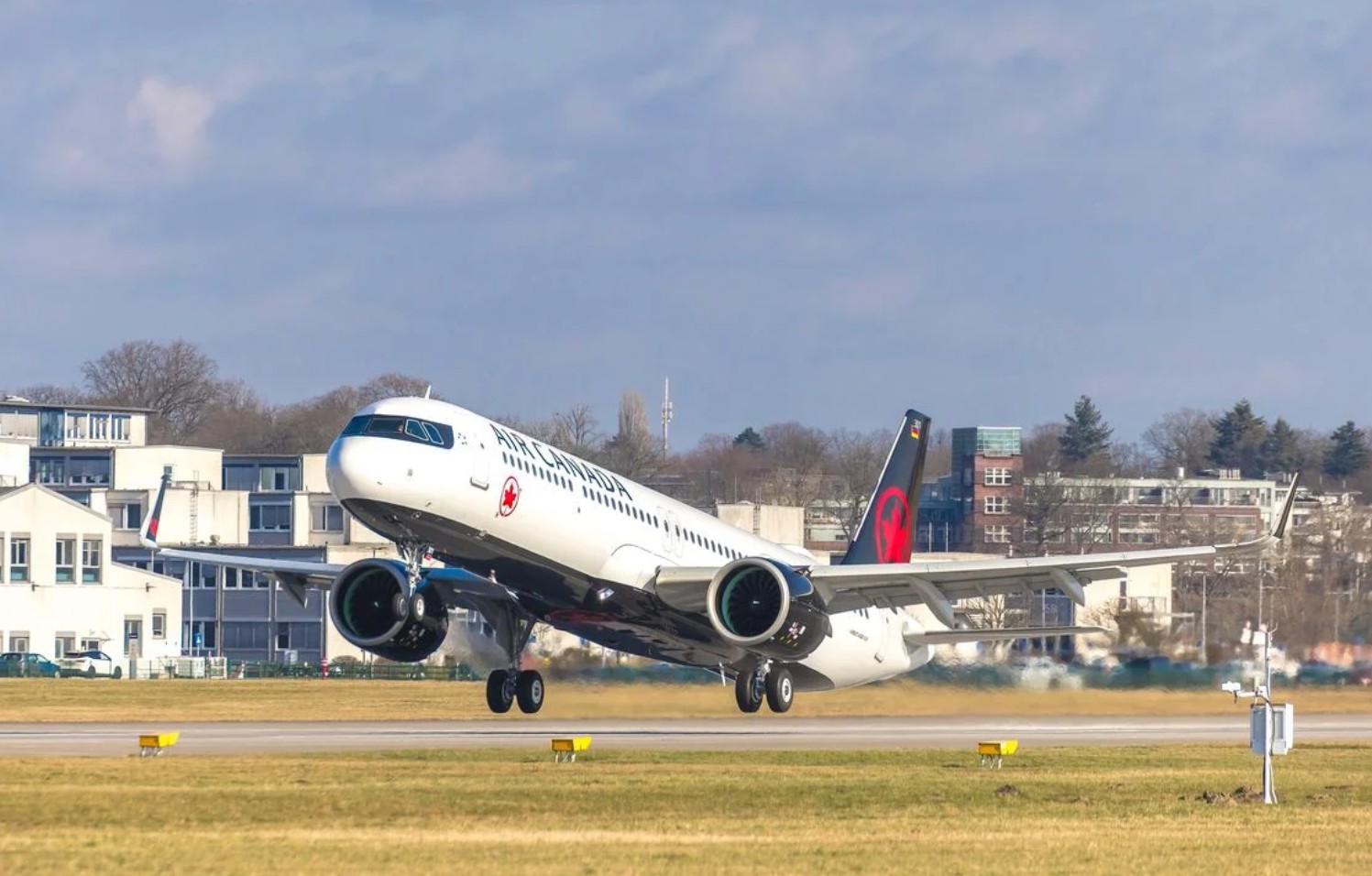
Airbus said Friday it had delivered the first A321XLR aircraft to Air Canada, marking the Canadian airline’s entry as the country’s first operator of the long-range single-aisle jet and advancing its fleet renewal and network expansion strategy.
The aircraft, leased from SMBC Aviation Capital, is the first of 30 A321XLRs due to join Air Canada’s fleet and is expected to help the carrier expand long-haul routes while improving efficiency between narrowbody and widebody operations.
Airbus said the aircraft, powered by Pratt & Whitney GTF engines, would support Air Canada’s ambitions to open new transatlantic routes and serve secondary markets with nonstop flights, while lowering fuel use and operating costs.
Configured with 14 business-class suites and 168 economy seats, the jet features Airbus’s Airspace cabin, including larger overhead bins, upgraded in-flight entertainment and enhanced lighting designed for long-haul passenger comfort.
The delivery comes as airlines increasingly turn to longer-range narrowbody aircraft to open thinner international routes that may not support larger widebody jets. Airbus said the A321XLR can fly up to 4,700 nautical miles and offers 30 percent lower fuel burn per seat than previous-generation competing aircraft.
The aircraft could allow Air Canada to operate nonstop services from Montreal and Toronto to destinations including Berlin, Toulouse and Edinburgh, according to Airbus.
The delivery also underscores growing demand for the A321XLR, which had secured more than 500 orders by the end of March, Airbus said.
As with other Airbus aircraft, the A321XLR is currently capable of operating with up to 50 percent sustainable aviation fuel, with Airbus targeting full 100 percent SAF capability across its fleet by 2030, reflecting broader industry efforts to curb emissions.
For passengers, the aircraft could bring more direct international routes and potentially greater schedule flexibility, while for the airline it may offer improved economics on long, lower-demand routes.
Air Canada currently operates 136 Airbus aircraft and has 61 more on order, including recently ordered A350 jets, as it continues modernising its fleet. Industry analysts are expected to watch how the carrier deploys the new aircraft as competition intensifies in transatlantic markets.
Source: Airbus PR