
Airbus agreement reflects Bangladesh’s needs, says state minister
প্রকাশ: বৃহস্পতিবার । অক্টোবর ০৮, ২০২৬
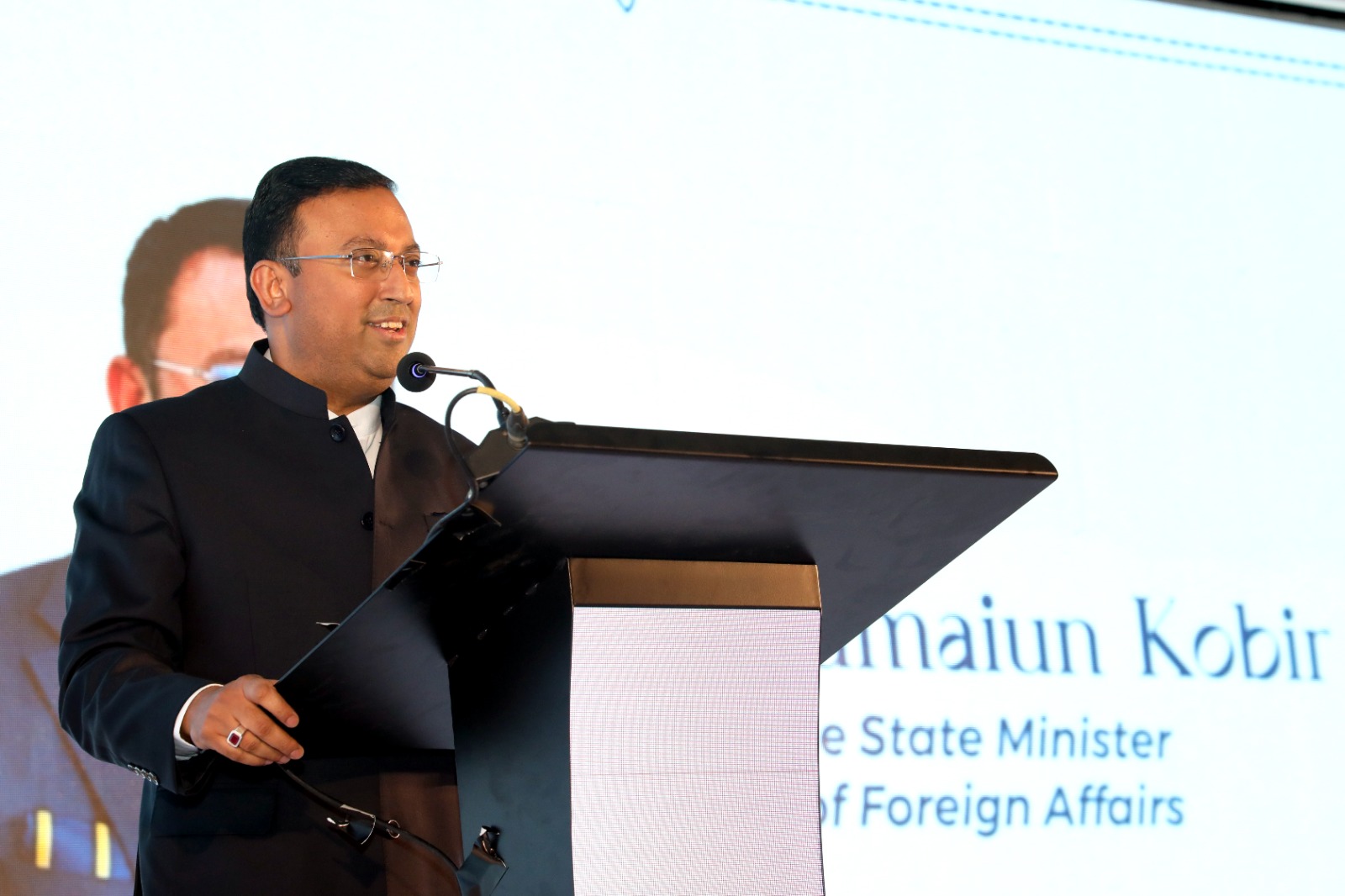
Bangladesh’s dealings with Washington are no concern of its European partners, just as its cooperation with Europe is no concern of the United States, State Minister for Foreign Affairs Humaiun Kobir said, asserting an independent approach to aviation partnerships.
Speaking at the Biman-Airbus agreement ceremony in Dhaka on October 7, Kobir told European envoys that Bangladesh would choose its partners according to its development needs and national interests.
“What we do with the US is between the people of Bangladesh and the US,” he said.
“It’s none of the US’s business in terms of what we do with you, and it’s none of your business what we do with the US. But it is our business to develop our country, and we will do that with you where we see fit.”
The remarks placed national interest at the centre of an occasion celebrating Biman Bangladesh Airlines’ agreement to acquire 10 Airbus aircraft. The package comprises four A350-900 widebody jets for long-haul services and six A321neo single-aisle aircraft for regional operations.
Addressing concerns about whether Bangladesh’s commercial engagement with Washington could affect opportunities for European partners, Kobir said every agreement must meet a clear business need.
He referred to concerns over a level playing field and perceptions that Bangladesh had offered extensive concessions to the United States. The government, he said, remained guided by the interests of its people.
“This government of Bangladesh has not signed this Airbus deal to make our friends at that table, EU ambassadors, happy. This government of Bangladesh has signed this deal because it meets our aviation needs,” he said.
“Bangladesh doesn’t do deals to please. It does it because it needs it.”
Kobir said the government, led by Prime Minister Tarique Rahman, would work with Airbus, Boeing or other partners whenever a sound business case justified cooperation.
Such agreements must receive government endorsement and undergo legal scrutiny before signing, he said.
“We do not sign on any dotted line on any deal that doesn’t suit the interests of the people of Bangladesh.”
For Biman, the Airbus agreement forms part of its fleet modernisation and long-term expansion programme. For Bangladesh’s diplomacy, Kobir presented it as an example of how commercial partnerships can advance national development while strengthening international relationships.
Aircraft, he said, are instruments of foreign policy. They connect people, carry exports to new markets, bring investment and visitors, and maintain links between Bangladesh and its overseas communities.
Investment in advanced, fuel-efficient aircraft would strengthen the national carrier’s connectivity and Bangladesh’s standing internationally, he said.
Despite his pointed remarks on the independence of Bangladesh’s commercial decisions, Kobir emphasised the value of the country’s European friendships.
He identified France, Germany, Spain, Italy, the United Kingdom and the European Union as important partners in trade and development who had supported Bangladesh throughout its development journey.
The Airbus agreement, he said, reflected the strength of those relationships and the results that cooperation between nations could deliver.
He also highlighted the multinational manufacturing network behind Airbus aircraft, including production across France, Germany, Spain and the United Kingdom, alongside British-made wings and engines for the A350.
Kobir called for the aircraft agreement to open opportunities for deeper collaboration in technology, skills, training and investment, with benefits for young Bangladeshis and businesses across the partner countries.
Economic diplomacy would remain central to that effort, he said, describing Bangladesh’s foreign policy as flexible, multifaceted and closely connected to its economic and security priorities.
“We’re not dependent on any country,” he said.
The Ministry of Foreign Affairs would continue supporting Biman and its European partners in developing the relationship, Kobir added, signalling scope for further commercial cooperation.
“I can assure you there is more business to follow,” he said.