
Airbus Leads Launch of Spain’s New Combat Training System to Replace F-5 Fleet
প্রকাশ: বৃহস্পতিবার । এপ্রিল ৩০, ২০২৬
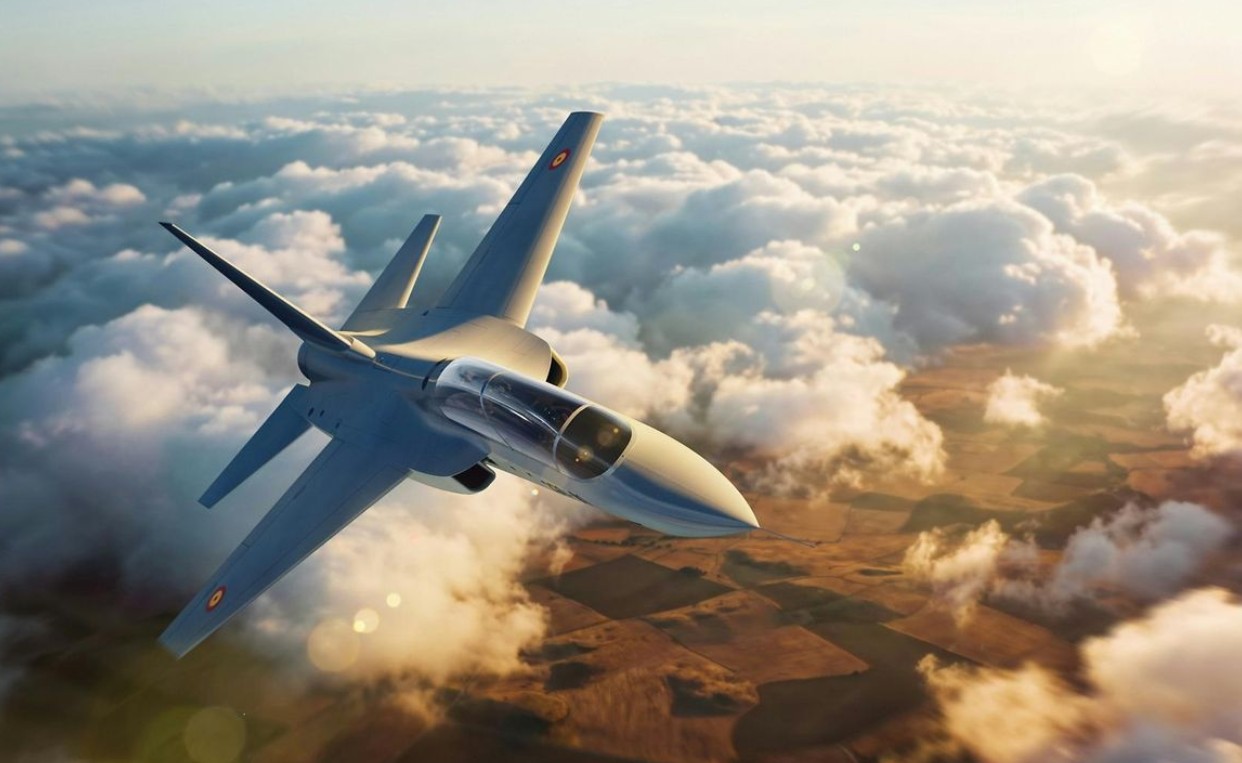
Airbus said Tuesday it is leading a consortium of Spanish firms to develop a new Integrated Combat Training System for the Spanish Air and Space Force, marking a major step in modernising the country’s pilot training capabilities.
In a press release issued Tuesday, Airbus said the programme—awarded in December 2025—will replace Spain’s ageing fleet of Northrop F-5 jets and will involve around 60 percent participation from national industry. The system includes a fleet of 30 advanced trainer aircraft, based on the TAI Hürjet, which will be adapted to Spanish requirements and designated locally as SAETA II.
Airbus, acting as prime contractor, will oversee the integration of aircraft, simulators and support services, covering the full training cycle for fighter pilots. The programme also includes the redesign of the Fighter and Strike training centre at Talavera la Real Air Base, where new simulators developed with Indra will be installed.
“As a result of this national programme, Spain achieves three strategic milestones: technology transfer, industrial return and strategic autonomy,” said Marta Nogueira, highlighting the role of domestic industry in maintaining and evolving the system.
Spanish Secretary of State for Defence Amparo Valcarce said the project would generate employment and strengthen national capabilities, adding that it would reduce reliance on external suppliers for complex defence systems.
The programme will be implemented in two phases, beginning in 2028 with the delivery of 21 aircraft, including a prototype to integrate next-generation avionics and mission systems. A second phase will see the full fleet upgraded to Spanish standards, alongside advanced ground-based training systems, with final deliveries scheduled between 2031 and 2035.
Spanish companies including GMV, Sener, Aertec, Grupo Oesía and Orbital will contribute to avionics, communications and mission systems integration, while Airbus will coordinate overall system development and long-term support.
Although primarily a military initiative, analysts say the programme reflects a broader European push toward technological sovereignty in aerospace and defence, as countries seek greater control over critical systems and supply chains.
Airbus said the system will allow Spain to independently manage training, maintenance and future upgrades, with further development and testing expected over the coming years before the system becomes fully operational in the next decade.
Source: Airbus PR