
Airbus makes fresh 10-jet pitch after Boeing win
প্রকাশ: রবিবার । মে ১৭, ২০২৬
by Nazim Ankur
In a dramatic twist to Bangladesh’s biggest aircraft battle in recent history, European aerospace giant Airbus has made a fresh proposal to Biman Bangladesh Airlines to supply 10 aircraft, just days after the national carrier signed a US$3.7 billion fleet deal with rival Boeing.
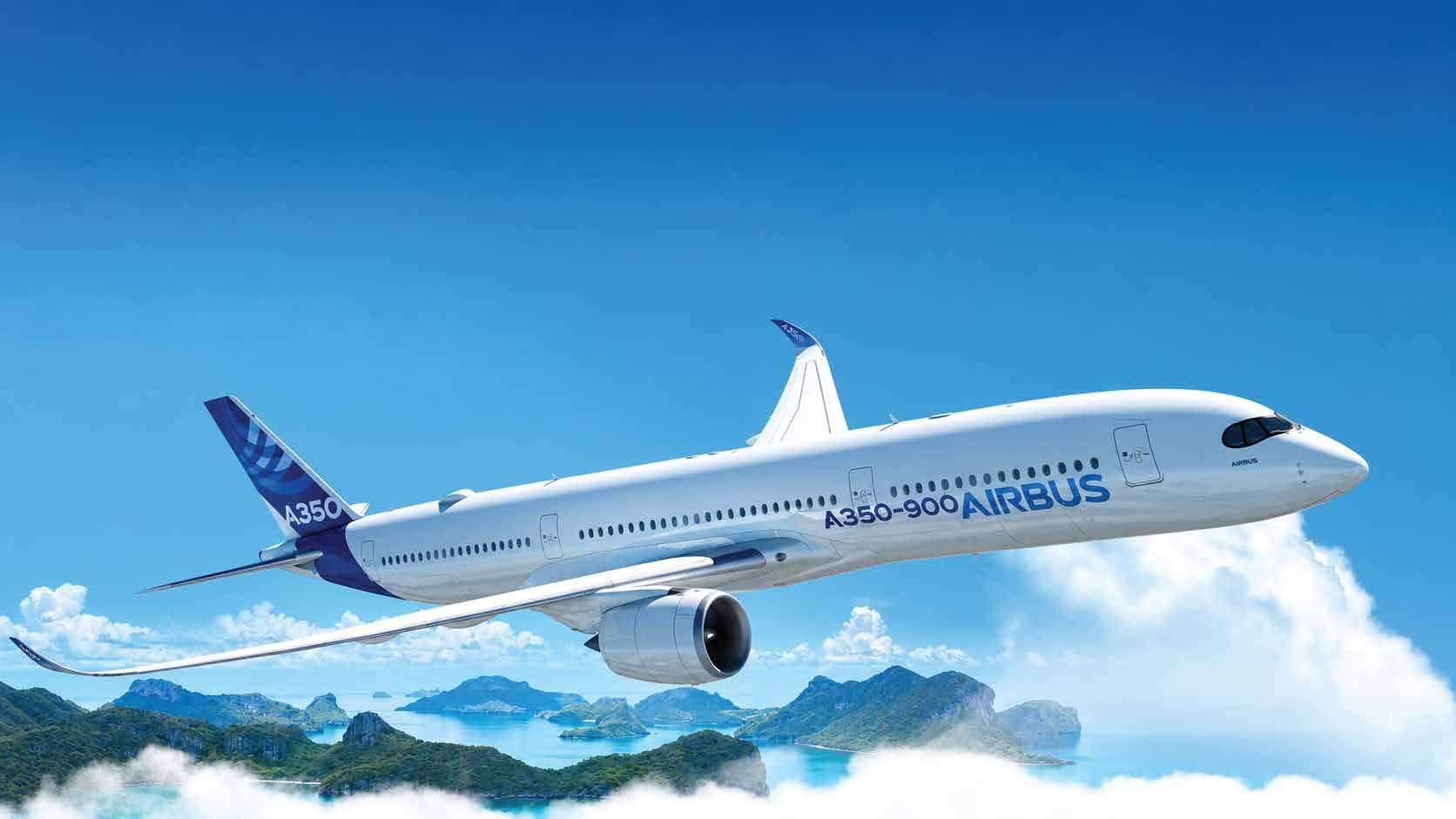
According to multiple Biman sources, Airbus has formally submitted a new fleet proposal to Biman’s techno-finance committee, offering four A350-900 widebody aircraft and six A321neo narrowbody aircraft in what industry insiders describe as the latest move in an increasingly geopolitical and commercial dogfight over Bangladesh’s aviation future.
The fresh pitch comes only days after Biman formally signed an agreement with Boeing to acquire 14 aircraft—eight Boeing 787-10 Dreamliner, two Boeing 787-9 Dreamliner, and four Boeing 737 MAX 8—in a landmark deal financed by the US Export-Import Bank.
But Airbus, it appears, has refused to leave the cockpit.
Post-Boeing push
Sources familiar with the development said Airbus Vice President Edward Delahaye recently met Civil Aviation Minister Afroza Khanam, State Minister M Rashiduzzaman Millat, and senior Biman officials in Dhaka, where the European manufacturer formally pitched a mixed-fleet strategy for Biman’s next phase of expansion.
The move signals that the four-year Boeing-Airbus contest—widely seen as one of the fiercest aviation procurement battles in Bangladesh’s history—is far from over.
Roadmap to 47 aircraft
The renewed proposal comes as the government reviews a long-term roadmap to expand Biman’s fleet to 47 aircraft by fiscal year 2034–35, as part of an ambitious strategy to modernise the national carrier, strengthen global connectivity, and position Bangladesh as a regional aviation and cargo hub.
Industry insiders say Airbus sees that roadmap as its last major opening to finally break Biman’s all-Boeing fleet structure.

Boeing defeats Airbus—yet battle continues
For nearly four years, Airbus mounted its strongest challenge yet to enter Biman’s fleet. European diplomats from France, the United Kingdom, and Germany lobbied aggressively, arguing that introducing Airbus would reduce procurement dependency, improve pricing leverage, and deepen Bangladesh’s industrial links with Europe.
Momentum peaked in 2023 during the visit of French President Emmanuel Macron, followed by references in a Bangladesh-UK joint communiqué to a possible purchase of 10 Airbus aircraft, including freighters.
At one stage, insiders believed Airbus had a decisive edge.
But Boeing never left the cockpit.
The American manufacturer regained momentum as Bangladesh entered sensitive trade negotiations with the United States over tariff exposure, export competitiveness, and a bilateral trade surplus estimated at nearly US$7 billion.
During last week’s Boeing signing ceremony, US Ambassador Brent T. Christensen openly linked the aircraft purchase to the “Agreement on Reciprocal Trade” between Dhaka and Washington.
Airbus’ mixed-fleet argument
Now Airbus is returning with a sharper proposition.
The proposed Airbus A350-900 can typically seat around 300 to 350 passengers, depending on cabin configuration, while the Airbus A321neo accommodates approximately 180 to 220 passengers—ideal for regional, Gulf, and medium-haul Asian markets.
Airbus executives have argued that a mixed fleet would provide Biman greater operational flexibility, stronger route optimisation and better negotiating power.
A major attraction is Airbus cockpit commonality—pilots trained on one Airbus family aircraft can transition to others with minimal additional training, significantly reducing long-term crew and maintenance costs.
Experts weigh in
Aviation expert ATM Nazrul Islam told Aviation Express that adopting a mixed fleet strategy can provide airlines with greater operational flexibility, stronger route adaptability, and long-term commercial efficiency.
He noted that Biman Bangladesh Airlines currently operates eight wide-body aircraft and has already placed orders for eight more in the same category. The airline also operates four narrow-body aircraft and has committed to acquiring four additional narrow-body jets.
Nazrul said such procurement decisions could be commercially justified if the new aircraft are intended to replace ageing assets. However, if the acquisitions are aimed solely at fleet expansion without a clearly defined long-term network and profitability strategy, the move may warrant closer scrutiny.
“In aviation, route economics can change very quickly,” he said. “After launching a new destination, airlines may face technical disruptions, fluctuating passenger demand, seasonal traffic variations or rising operational costs, which can directly affect route profitability.”
He explained that relying on a single aircraft family can sometimes limit operational flexibility under such market conditions.
“A mixed fleet gives an airline the ability to deploy the most suitable aircraft depending on passenger demand, route performance, and cost structure. In many cases, switching to a different aircraft type can significantly improve route economics and reduce operating costs,” he said.
Nazrul added that operating both Boeing and Airbus aircraft does not create major technical barriers, as pilots and engineering teams can be trained and transitioned between platforms when required.
“Ultimately, a mixed fleet offers stronger operational resilience, smarter route management, and better long-term cost optimisation,” he added.