
Aviation, Tourism Seek Policy Lift-Off
প্রকাশ: রবিবার । জুন ০৭, ২০২৬
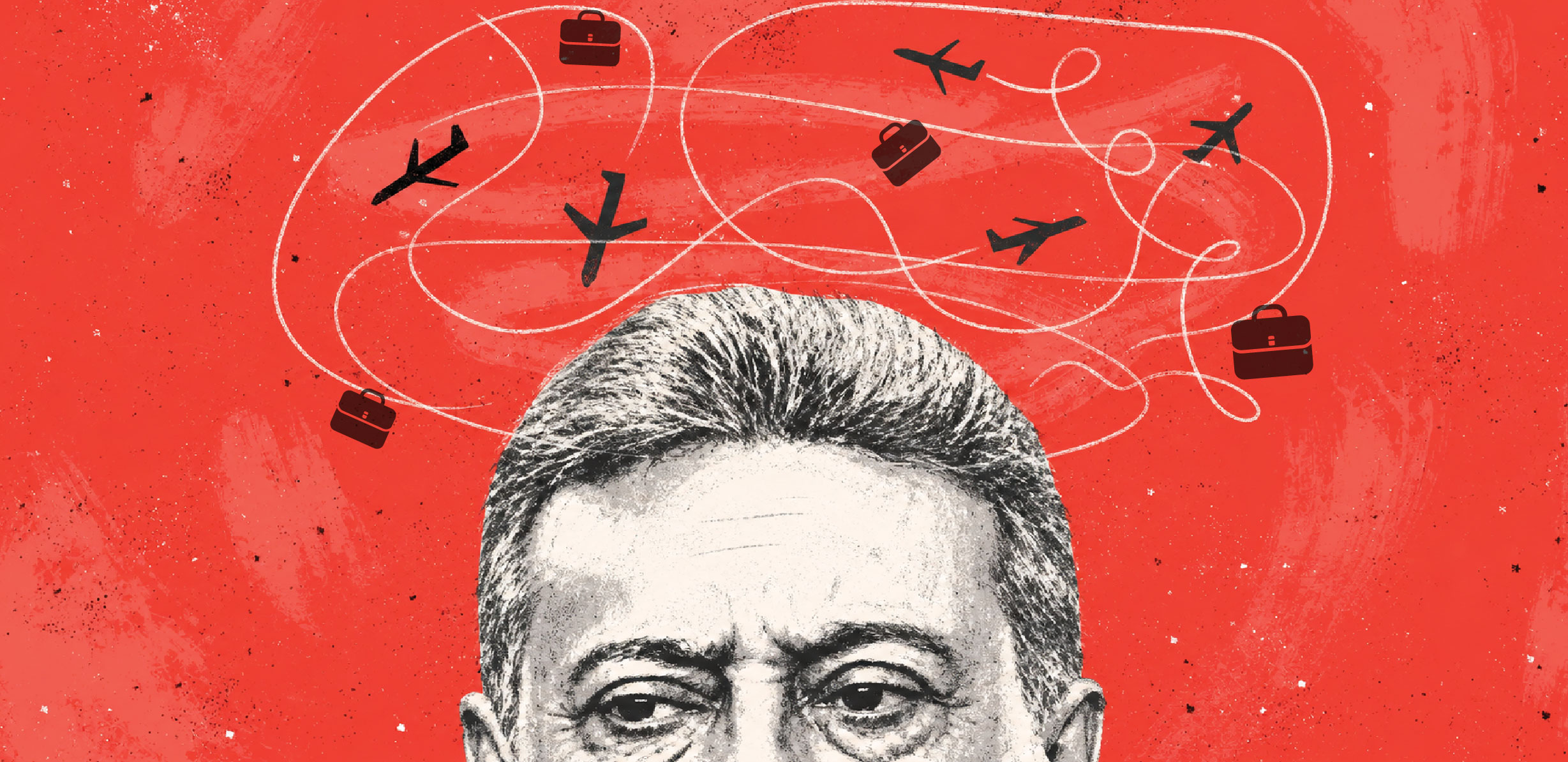
As the BNP government prepares to unveil its first national budget following its electoral victory, Bangladesh's aviation and tourism industries are looking beyond headline allocations and demanding something they say has been missing for decades: a coherent policy framework capable of transforming two strategically important sectors into engines of economic growth.
While aviation leaders are demanding urgent tax relief on jet fuel, aircraft leasing and airline operations to improve competitiveness and reduce airfares, tourism operators are pushing for implementation of the long-awaited National Tourism Master Plan, greater investment incentives and stronger institutional support to unlock the sector's economic potential.
In separate interviews with the Aviation Express, industry leaders, airline operators, tourism entrepreneurs and policy experts broadly agreed that the upcoming 2026-27 budget represents a critical test of the government's commitment to implementing the “ambitious promises” outlined in the BNP's election manifesto, which envisions Bangladesh emerging as a regional aviation hub and a globally competitive tourism destination by 2034.
Aviation wants relief, not rhetoric
The aviation industry's immediate concern is cost.
Despite steady passenger growth and significant airport investments, airline operators argue that Bangladesh remains one of South Asia's most heavily taxed aviation markets, limiting the competitiveness of local carriers and keeping airfares high.
"Every increase in jet fuel prices directly affects airline operations and ticket prices," said Mofizur Rahman, Secretary General of Aviation Operators Association of Bangladesh (AOAB).
Rahman who is also Managing Director of NOVOAIR noted that while international fuel markets experienced price increases, Bangladesh's tax burden on jet fuel also rose substantially.
According to industry estimates, fuel-related taxes and charges continue to represent one of the largest operational expenses for domestic airlines.
Operators are therefore urging the government to introduce VAT exemptions on jet fuel, reduce taxation on aircraft leasing and maintenance, and rationalise aviation-related duties.
Industry leaders argue that such measures would lower operating costs, stimulate passenger demand and strengthen the ability of Bangladeshi carriers to compete against foreign airlines, which currently carry the overwhelming majority of the country's international passengers.
The sector is also seeking budgetary support for the operational launch of the Third Terminal at Hazrat Shahjalal International Airport, regarded as the most important aviation infrastructure project in the country's history.
Aviation analyst ATM Nazrul Islam said recruitment, staff training, security infrastructure and operational preparedness require immediate attention if the terminal is to begin full-scale operations as planned.
"Building infrastructure is one thing; operating it efficiently is another," he said. "Without trained manpower and proper systems, the benefits of the new terminal cannot be fully realised."
Industry stakeholders are also calling for greater investment in airport modernisation, cargo logistics, digital aviation systems and navigation infrastructure to support the government's hub ambitions.
Tourism wants what it has waited decades for
While aviation seeks tax relief, tourism stakeholders are demanding something more fundamental: implementation.
The National Tourism Master Plan remains at the center of expectations for the sector. Industry leaders say successive governments have discussed tourism development but failed to provide the policy continuity and financial commitment necessary to turn plans into reality.
The BNP manifesto promises tourism clusters, eco-tourism development, community-based tourism and expansion of coastal tourism, including development of the Exclusive Tourist Zone at Sabrang in Cox's Bazar.
Tourism operators now want to see those commitments reflected in the budget. Mohammad Rafeuzzaman, President of the Tour Operators Association of Bangladesh (TOAB), said tourism-related equipment, tourist vehicles and hospitality infrastructure should receive tax exemptions to encourage private investment.
He also called for incentive packages for inbound tourism and the introduction of an electronic visa system to improve accessibility for foreign visitors.
"We bring foreign exchange into the country and create employment, yet tourism receives very limited incentives compared to other sectors," he said.
A sector seeking fair share
Tourism leaders also believe the sector has historically received less attention than aviation despite its significant contribution to employment and economic activity.
Dr Md Taslim Amin (Shovon), Director of TOAB, said previous budgets allocated the majority of civil aviation and tourism resources to aviation-related projects.
"Tourism needs greater attention and a larger share of development funding," he said.
"Allocation alone is not enough; implementation and leadership will determine success."
Stakeholders are also seeking dedicated funding for community-based tourism, ethnic tourism, women-led tourism enterprises and rural tourism projects capable of generating employment outside major urban centers.
Toufiq Rahman, Secretary General of PATA Bangladesh Chapter, said tourism cannot grow without stronger coordination among multiple ministries and agencies.
"Tourism is not solely the responsibility of one ministry," he said. "It depends on transportation, infrastructure, security, environment, culture and foreign affairs. Without coordinated action, progress will remain limited."
A defining budget
The timing is significant. Bangladesh sits at the intersection of South Asia, Southeast Asia and the Middle East, giving it a geographic advantage that aviation planners have long viewed as a foundation for hub development.
At the same time, rising regional travel demand presents new opportunities for tourism expansion.
Yet stakeholders warn that geography alone will not deliver growth.
The aviation sector wants tax reforms, operational readiness and infrastructure support. The tourism industry wants investment incentives, policy implementation and institutional commitment.
For both sectors, Budget 2026-27 will be judged not by the size of allocations but by whether it delivers the policy signals needed to unlock long-term growth.
The question facing the BNP government is therefore straightforward: can it convert manifesto promises into measurable action? For Bangladesh's aviation and tourism industries, the answer may begin with its first budget.