
Bangladesh moves to deploy advanced bird-control technology
প্রকাশ: মঙ্গলবার । নভেম্বর ২৪, ২০২৬
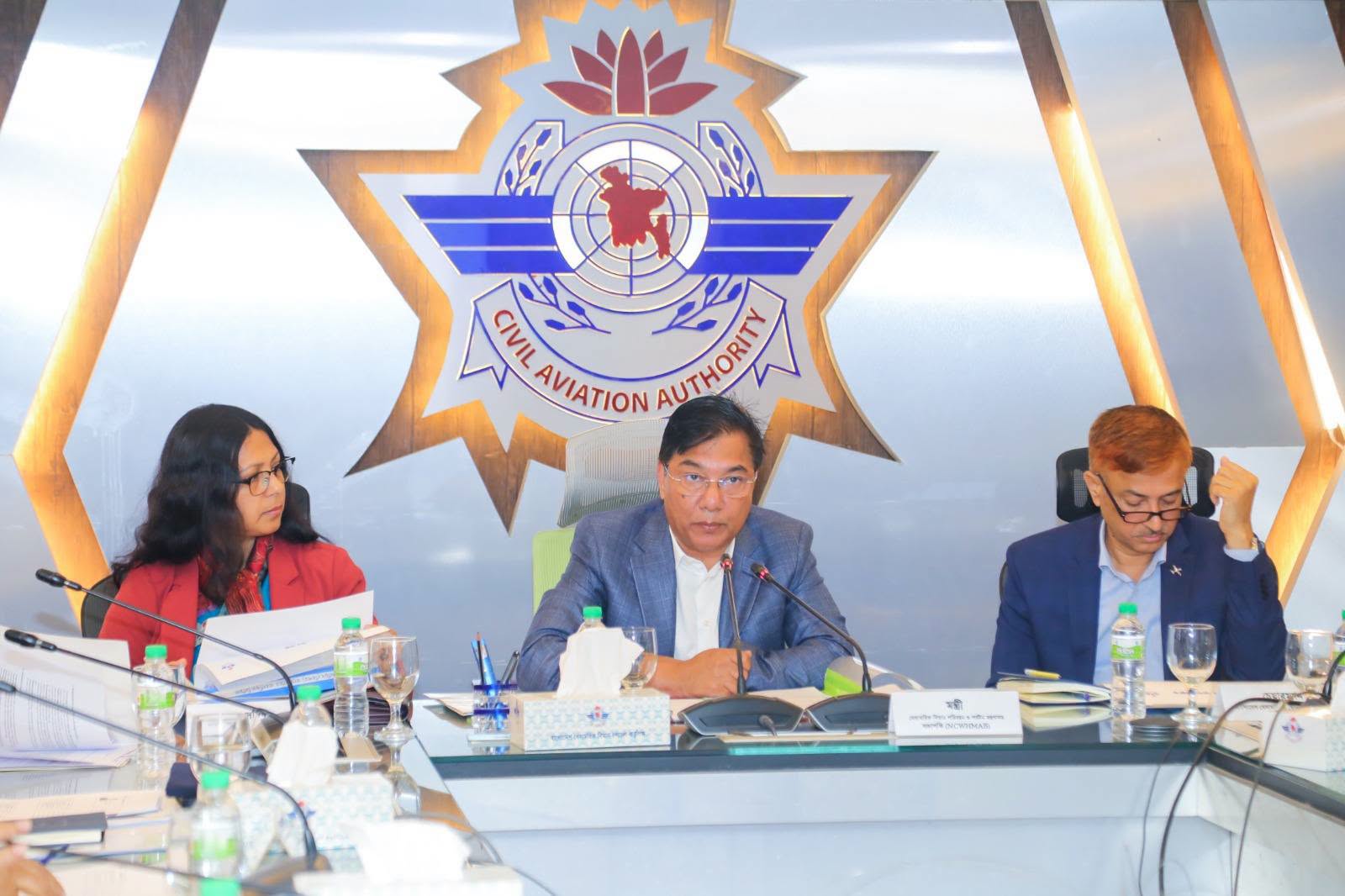
Bangladesh is moving to strengthen aviation safety by introducing advanced bird-control technologies at airports nationwide, as the government seeks to minimise wildlife-related hazards and ensure safer aircraft takeoffs and landings.
Civil Aviation and Tourism Minister M. Rashiduzzaman Millat has directed the Civil Aviation Authority of Bangladesh (CAAB) to install modern Anti-Bird Control Units, procure necessary bird-deterrent equipment, and address manpower shortages in airport wildlife management operations.
The directives came on November 24 during the inaugural meeting of the National Committee for Wildlife Hazard Management at the Airports of Bangladesh, held at CAAB headquarters in Dhaka.
Chairing the meeting, Millat underscored the importance of strengthening preventive measures against bird strikes, a persistent aviation safety concern that can cause aircraft damage, disrupt flight schedules, and increase operational risks.
"Ensuring safe aircraft takeoffs and landings is essential for the development of the aviation sector," the minister said.
Technology to Strengthen Airport Safety
The minister instructed aviation authorities to deploy advanced Anti-Bird Control Units to manage bird movements around airports and reduce the possibility of collisions with aircraft.
He also called for a comprehensive review of recent bird-strike data to identify recurring hazards and strengthen preventive measures based on operational evidence.
Bird strikes are particularly concerning during takeoff, initial climb, approach, and landing, when aircraft operate at relatively low altitudes and may encounter birds near airport surroundings.
Such incidents can damage engines, windscreens, and other critical aircraft components, sometimes forcing flight crews to abort takeoffs, return to airports, or make precautionary landings.
Effective wildlife hazard management therefore requires a combination of surveillance, habitat management, bird-deterrent systems, trained personnel, and coordination with agencies responsible for areas surrounding airport boundaries.
The government's latest initiative places particular emphasis on modernising bird-control capabilities as part of broader efforts to strengthen Bangladesh's aviation safety standards.
Equipment and Manpower Priorities
Alongside technological upgrades, Millat directed CAAB to take steps to procure an adequate number of bird-deterrent guns and accelerate recruitment against vacant positions.
The instructions reflect the importance of having sufficient trained personnel and operational resources to respond promptly to wildlife movements that could endanger aircraft.
While modern technology can improve hazard detection and deterrence, its effectiveness depends on trained airport teams capable of monitoring risk areas, interpreting observations, and implementing timely responses.
During the meeting, committee members discussed measures to control the movement of birds and other wildlife in and around airport operational areas.
The minister stressed that ensuring safe flying zones would require close cooperation among aviation authorities and other relevant stakeholders.
"All concerned stakeholders must work together to ensure safe flying zones," he said.
Coordinated Approach to Risk Reduction
Millat also directed the national committee to meet every three months to strengthen institutional coordination and review progress on wildlife hazard management initiatives.
Regular meetings are expected to provide a platform for assessing emerging risks, examining preventive measures, and coordinating responses among the agencies concerned.
The minister linked the initiative to the government's wider efforts to modernise Bangladesh's aviation industry under the leadership of Prime Minister Tarique Rahman.
As airport infrastructure and air traffic operations develop, effective management of wildlife hazards remains an important component of aviation safety and operational reliability.
A systematic approach combining modern technology, reliable incident data, adequate staffing, and sustained monitoring could help airports reduce bird-strike exposure while maintaining smoother flight operations.
The meeting was attended by Civil Aviation and Tourism Ministry Secretary Dr Nurun Nahar Chowdhury, Special Assistant to the Prime Minister Barrister Gias Uddin Rimon, CAAB Chairman Air Vice Marshal Md Mostafa Mahmud Siddiq, and members of the National Committee for Wildlife Hazard Management at the Airports of Bangladesh.
The new directives signal a stronger policy emphasis on proactive wildlife hazard prevention, with the effectiveness of the measures ultimately depending on timely procurement, implementation, and continuous monitoring at airports across the country.