
Bangladesh moves towards national wage policy framework
প্রকাশ: বুধবার । ডিসেম্বর ১৭, ২০২৫
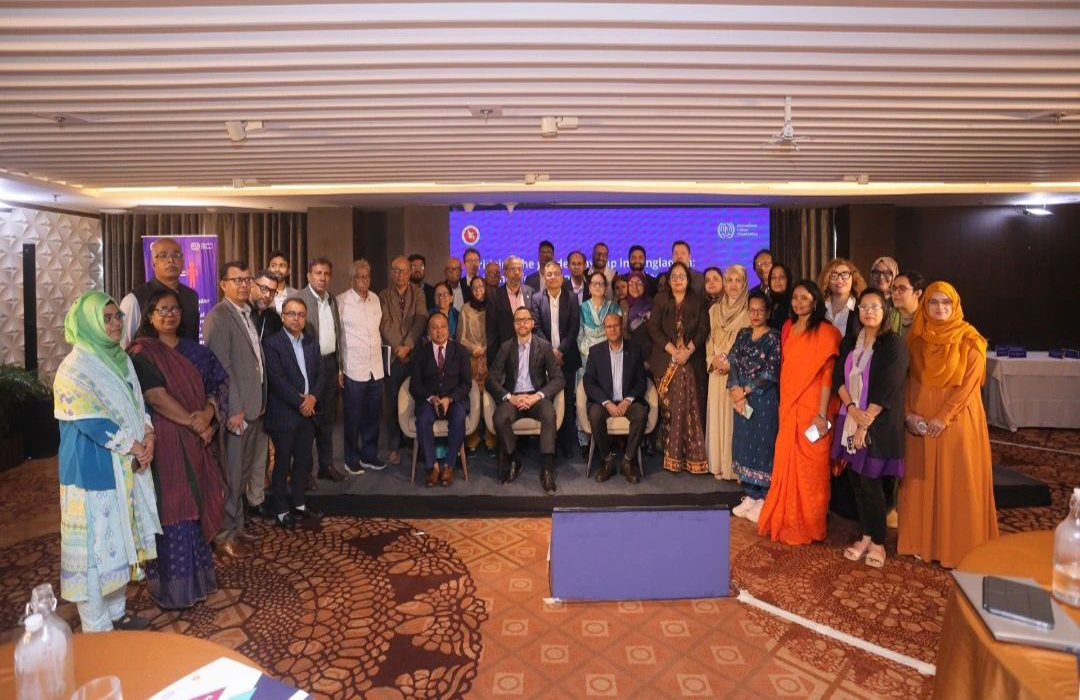
Gender-responsive
wage structure proposed
Bangladesh took major steps towards establishing a national
evidence-based, gender-responsive wage policy through intensive tripartite
dialogues and workshops held last week in Dhaka.
This information was shared by the International Labour Organization (ILO) CO–Dhaka via LinkedIn on Wednesday.
International Labour Organization facilitated the series of
events under the Advancing Decent Work in Bangladesh project, supported by Team
Europe Initiative. Week-long activities aimed at creating a consolidated wage
framework for the country's labour market.
Anoop Satpathy, ILO Wage Specialist, led the sessions which
marked the culmination of months of collaborative work including research,
sectoral consultations and capacity-building with national partners.
On December 9 morning, ILO presented its landmark Gender Pay Gap Study for Bangladesh, providing data-driven evidence to inform fair remuneration policies. Same afternoon, stakeholders gathered for a final tripartite event presenting key findings from wage dialogues conducted across five critical sectors in November 2025.
Dialogues covered ready-made garments, leather and leather goods,
pharmaceuticals, care work and tea gardening sectors. iSocial partnered with
ILO to conduct these sectoral consultations, highlighting common challenges and
potential solutions.
Bilateral consultations on December 10 brought together
government representatives from Ministry of Labour and Employment, Bangladesh
Bureau of Statistics and Minimum Wages Board with workers' and employers'
organisations. Sessions focused on understanding each constituency's
priorities.
Week concluded on December 11 with a National Tripartite
Workshop where government, employer and worker representatives jointly
developed a strategic Wage Action Plan. Participants outlined concrete steps
for a more coherent, transparent and effective minimum wage system drawing on
international good practices and national findings.
Development partners supporting the initiative include
Denmark, Netherlands, Sweden, European Union and Canada.