
Biggest investment in sustainable tourism is a conscious human being: Tomal
প্রকাশ: শনিবার । সেপ্টেম্বর ১৯, ২০২৬
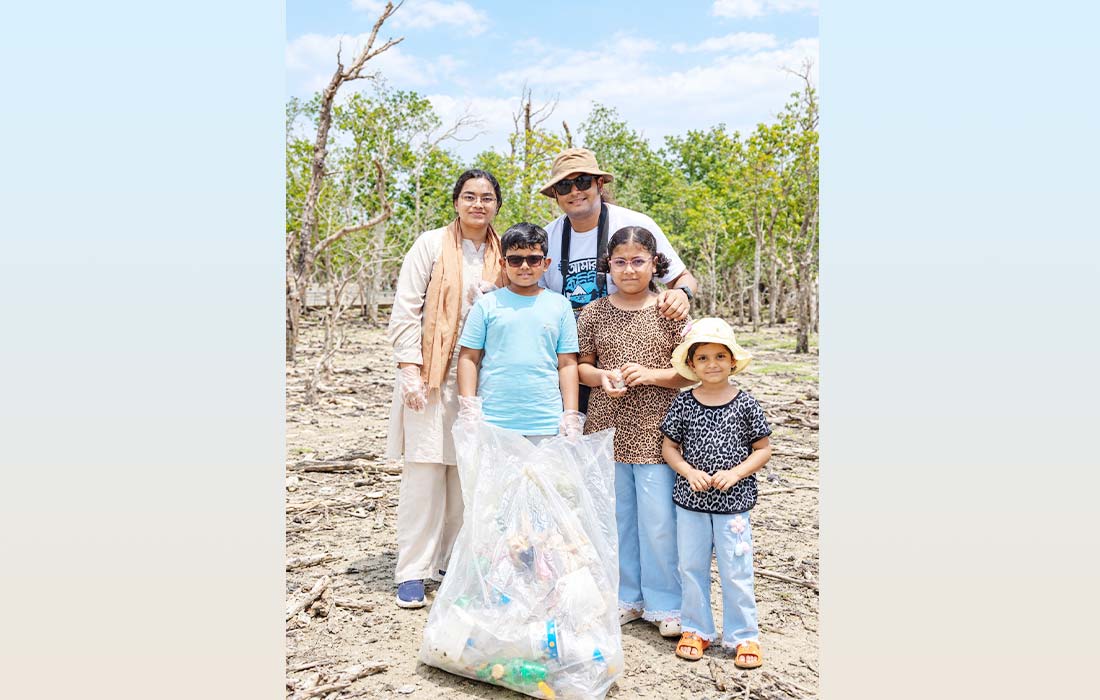
Syed Shafat Uddin Ahmed Tomal, a Bangladeshi tourism professional and tour operator, has spent nearly 17 years working with children on environmental and tourism awareness, an effort that has led to him being described as a "Sustainable Tourism Educator." Tomal shared details of his work and its origins with Aviation Express.
Sustainable tourism education refers to efforts aimed at building environmental and cultural awareness among people — often before they become tourists or enter the tourism industry — so that future travel and tourism practices place less strain on nature, wildlife and local communities. Proponents of the concept argue that destinations alone cannot guarantee responsible tourism; the people who visit and manage those destinations must also be equipped with the right values and knowledge.
According to Tomal, the label was first applied to him by a foreign tourist who observed him speaking with children about nature, wildlife, biodiversity and responsible tourism. The visitor asked him directly, "Are you a Sustainable Tourism Educator?" Tomal told Aviation Express he had not previously used the term to describe himself, but the visitor's remark led him to recognise that his years of informal work with children fit the definition.

Tomal told Aviation Express that his engagement with children centres on subjects including flora and fauna, wildlife, vegetation, biodiversity, climate change and the principles of responsible tourism, delivered through stories, photographs, conversations and field experiences rather than formal classroom instruction. He said forests, rivers and journeys themselves often serve as the setting for these lessons.
Tomal said his broader goal is for the children he works with to eventually become tour operators, tour guides, tourism entrepreneurs and other tourism professionals who understand and protect the destinations they work with, rather than treating them purely as commercial products. He told Aviation Express his guidance to them is not to "only sell a destination," but to "understand it. Respect it. Protect it."
As a practising tour operator, Tomal said he is conscious of tourism's economic role in creating employment and connecting communities with visitors, but also of its potential to damage ecosystems, disturb wildlife and place pressure on local communities if left unmanaged. He said this is why, in his view, sustainability needs to be embedded in the mindset of future industry professionals rather than treated as an add-on.
Over nearly two decades, Tomal said he has engaged with more than 5,000 children through voluntary, unpaid environmental and sustainable tourism awareness activities. His work has also extended into direct action: he has organised outings in which children collected plastic, polythene, bottles and food packaging left behind in natural areas, an exercise he said is intended to show children that protecting nature is a shared responsibility rather than someone else's job.
Tomal also described to Aviation Express the behavioural standards he encourages among young people with regard to tourism — not littering, not disturbing or feeding wildlife, respecting local people and culture, and minimising negative impact on the places they visit.
Bangladesh has substantial tourism potential across sites including the Sundarbans, rivers, forests, hills, wetlands, beaches and heritage locations. Tomal argued that the long-term sustainability of this potential will depend less on infrastructure and more on the people who eventually work across the sector. Summarising his approach, he told Aviation Express: "The biggest investment in sustainable tourism is not infrastructure; it is a conscious human being."