
COP31 in Turkey ends with no deal after longest talks in summit's history
প্রকাশ: সোমবার । নভেম্বর ২৩, ২০২৬
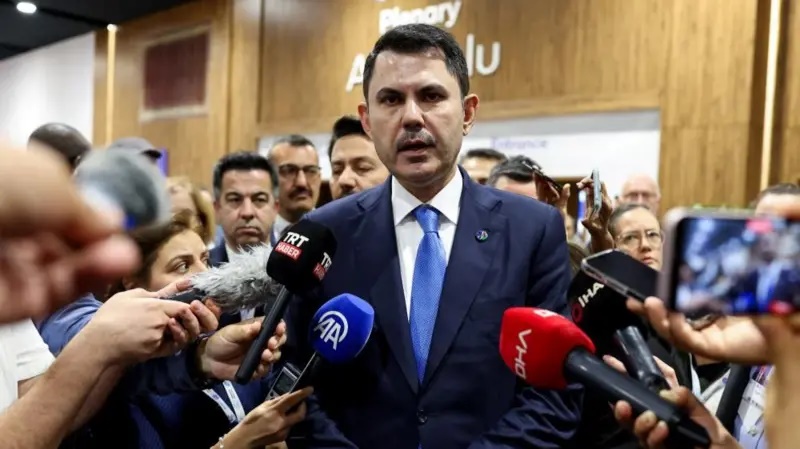
The COP31 summit ended with no new deal to tackle climate change this afternoon after the longest-running talks in the history of the UN conference.
Disagreement over the mention of fossil fuels in the draft text was central to the summit's failure to agree an overall deal. The EU and other parties rejected the final draft agreement due to its omission of the term.
"It is unconscionable that we would have a climate pact that makes no mention of fossil fuels," said Irish minister Darragh O'Brien, who represented the EU at the conference.
Countries like Saudi Arabia, Russia and India had pushed back on including it in the text.
COP31 President Murat Kurum said the presidency worked "day and night" for a "much stronger outcome", though told the summit other agreements were achieved, including on electrification.
Australian minister Chris Bowen, the summit's president of negotiations, said the environment coming into this conference was "the most complicated and fraught geopolitical environment in living memory".
Representatives of Pacific island nations said they felt "let down" by this year's conference, while the chair of the African Group of Negotiators told the BBC the focus on fossil fuels overshadowed discussions on climate adaptation funding for developing nations.
The outcome may say more about the nature of the modern world community rather than a failure of summit organisers, our climate editor writes.