
Dhaka's Third Terminal deal set for Monday
প্রকাশ: শনিবার । নভেম্বর ২৮, ২০২৬
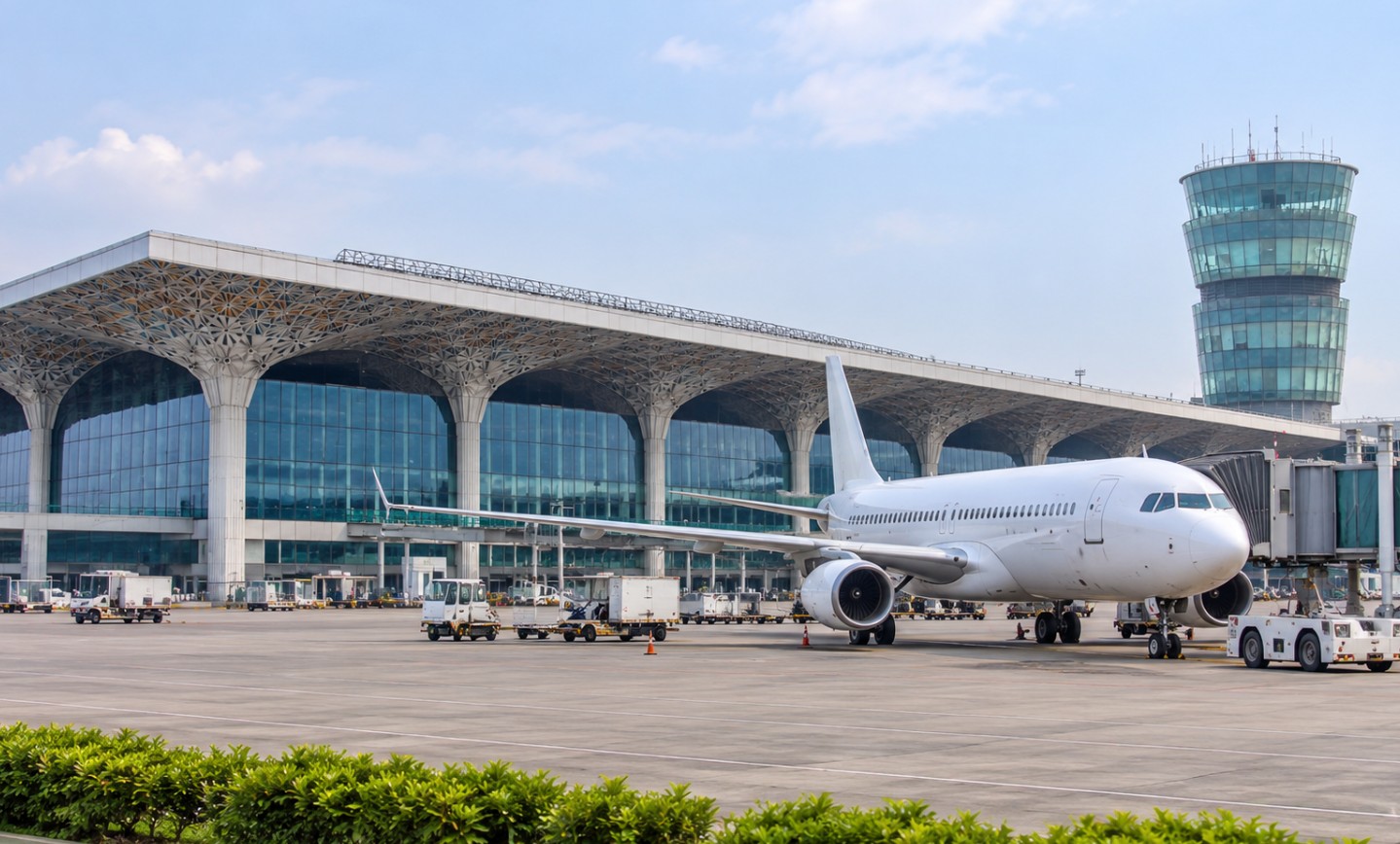
Bangladesh is preparing to open a new chapter in its aviation industry as the government moves to sign the long-awaited concession agreement with a Japanese consortium for operating Hazrat Shahjalal International Airport's (HSIA) Third Terminal on November 30, clearing the way for a partial operational launch on December 16.
The breakthrough comes after prolonged negotiations, contractual disputes and more than two years of uncertainty surrounding one of the country's largest aviation infrastructure projects.
The Bangladesh Nationalist Party (BNP) government, led by Prime Minister Tarique Rahman, prioritised the terminal's operational launch after assuming office and subsequently announced a roadmap to begin flight operations on Victory Day.
The formal agreement-signing ceremony will take place at 7 pm on November 30 at Hotel InterContinental Dhaka in the presence of Civil Aviation and Tourism Minister M Rashiduzzaman Millat.
Civil Aviation Authority of Bangladesh (CAAB) Member (Operations and Planning) Air Commodore Abu Sayeed Mehboob Khan confirmed the development, outlining a phased operational plan that would initially involve Biman Bangladesh Airlines before other international carriers gradually join.
The agreement is expected to resolve a major obstacle that has prevented the terminal from entering commercial service despite its soft inauguration in October 2023.
Biman to Lead December 16 Launch
According to Khan, the much-awaited terminal will be inaugurated on December 16 with the departure of a Biman Bangladesh Airlines flight bound for either Dubai or Kuala Lumpur.
"The terminal will be inaugurated on December 16 with the departure of a Biman Bangladesh Airlines flight to either Dubai or Kuala Lumpur," he said, adding that the destination would be confirmed before the opening.
From December 17, the new facility will begin limited regular operations, initially handling two arriving and two departing international flights daily.
For the first three months, only Biman Bangladesh Airlines will operate through the terminal.
The initial period will allow aviation authorities and the incoming operator to assess operational readiness, monitor passenger handling and address any difficulties before expanding services.
Following this introductory phase, additional flights will be introduced gradually, with foreign airlines subsequently beginning operations through the new terminal.
The approach is intended to avoid the operational disruptions that could arise from transferring a large volume of passengers, flights and ground services to a new facility simultaneously.
Eight-Month Operational Transition
Although the concession agreement will be signed on November 30, the Japanese consortium will not immediately assume all operational responsibilities.
Khan said implementation of the agreement would proceed gradually over approximately eight months, allowing the operator to take responsibility for different services in phases.
During the initial period, CAAB will provide essential operational support, including cleaning services and passenger boarding bridge operations.
These arrangements are expected to ensure continuity of services while the Japanese consortium establishes the personnel, systems and operational capabilities required to manage the terminal.
The phased transition will be particularly important for integrating airline operations, passenger-processing systems, baggage handling and other critical airport services.
The authorities will also need to coordinate airline movements between the existing terminals and the new facility as international operations expand.
Second Ground Handler Within Six Months
A significant development in the operational roadmap is the planned introduction of a second ground-handling service provider at HSIA.
Khan said the Japanese consortium would appoint the additional operator within six months after December, creating competition alongside Biman Bangladesh Airlines.
Biman currently provides ground-handling services at the country's busiest international airport.
The introduction of a second operator could reshape airport service delivery by bringing competition to areas such as baggage handling, aircraft turnaround, ramp operations and passenger assistance.
For airlines, efficient ground handling is essential to maintaining flight schedules, reducing turnaround delays and improving operational reliability. For passengers, the most visible improvements would be expected in baggage delivery, boarding arrangements and the overall airport experience.
However, the effectiveness of the proposed competition will depend on the selection of a capable operator, clearly defined responsibilities and effective regulatory oversight.
The ground-handling appointment will therefore be among the most closely watched elements of the terminal's operational transition.
Controversial Terms Delayed Agreement
The November 30 signing follows lengthy negotiations between CAAB, the Ministry of Civil Aviation and Tourism and the Japanese consortium over several contentious contractual provisions.
The proposed terms were reviewed and approved at CAAB's 321st board meeting on November 10.
However, some provisions had previously generated objections at different levels, including the Parliamentary Standing Committee on the Ministry of Civil Aviation and Tourism.
Among the most controversial proposals was a restriction on international flight operations through HSIA's existing Terminal 1 and Terminal 2 once the Third Terminal becomes operational.
Questions were raised over the future utilisation of the older terminals, which were developed through substantial public investment.
Lawmakers questioned how the government would make productive use of the existing infrastructure if international operations were discontinued there.
The committee also discussed international examples of airports where multiple terminal operators manage separate facilities, raising questions about whether the proposed arrangement could unnecessarily limit airport capacity and operational flexibility.
Another contentious provision concerned a proposed restriction on opening any new civilian airport within a 100-kilometre radius of HSIA for 15 years.
Critics questioned whether such a restriction could affect future aviation infrastructure development and limit the government's flexibility to respond to growing passenger demand.
These provisions became important considerations in the negotiations, which continued for months before the agreement was finalised.
While the November 10 board approval cleared the way for signing, the precise final wording of the contentious contractual provisions has not been detailed in the information made available.
Revenue-Sharing Questions
The financial framework of the concession agreement also attracted scrutiny. Under the framework arrangement discussed during negotiations, Bangladesh was expected to receive a 27 percent share of the relevant revenue.
However, objections emerged over a proposed special concession of 13.5 percent for the Japanese operator during the transitional period between Operational Partial Commencement Date (OPCD) and Commercial Management Date (CMD).
The proposed financial treatment of this transition became a matter of concern because the terminal would begin with limited operations before reaching its intended commercial capacity.
Other issues included differences in fee structures and payment arrangements relating to Biman Bangladesh Airlines' operations and ground-handling services.
The disputes highlighted the complexity of balancing the government's revenue interests with the commercial expectations of an international terminal operator.
The final agreement will be particularly important in determining how revenue, operational responsibilities and financial risks are shared between CAAB and the Japanese consortium.
Tk 22,000-Crore Investment Awaiting Returns
The Third Terminal represents one of Bangladesh's most ambitious investments in aviation infrastructure.
Its initial construction cost was estimated at Tk 13,610 crore, but subsequent revisions and additional works increased the overall project expenditure to approximately Tk 22,000 crore. Construction began on December 30, 2019.
The terminal was soft-inaugurated in October 2023 after more than 99 percent of the project work had been completed.
However, the facility remained unavailable for regular commercial operations for more than two years, largely because of unresolved negotiations concerning its management and operational arrangements.
The prolonged delay raised questions over the utilisation of public investment, the financial implications of maintaining a completed facility and the growing pressure on HSIA's existing terminals.
The new government's decision to prioritise the operational launch has now brought the project closer to carrying its first commercial passengers.
Nevertheless, the planned December 16 opening will represent only the beginning of a phased transition rather than the immediate commencement of full-scale operations.
Capacity to Reach 20 Million Passengers
The Third Terminal is designed to transform HSIA's passenger-handling capabilities. The airport's existing terminals have a combined annual capacity of approximately eight million passengers. With the new terminal fully operational, overall annual passenger-handling capacity is expected to increase to approximately 20 million.
The additional capacity could help Bangladesh accommodate future growth in international travel, improve airport efficiency and strengthen Dhaka's position as a regional aviation gateway.
The terminal incorporates modern passenger-processing infrastructure, including 100 check-in counters, 10 self-check-in kiosks, 16 regular baggage belts and separate facilities for oversized baggage.
Its other features include automated baggage-handling systems, passenger boarding bridges, moving walkways, baby-care lounges, family-friendly facilities and dedicated healthcare areas.
These facilities are intended to improve passenger convenience while allowing airlines and airport service providers to manage larger traffic volumes more efficiently. However, the quality of the eventual passenger experience will depend not only on infrastructure but also on operational efficiency, staff training, baggage delivery, maintenance and coordination among service providers.
Critical Months Ahead
CAAB is scheduled to hold a press briefing at its headquarters on November 29, when Chairman Air Vice Marshal Md Mostafa Mahmud Siddiq is expected to outline the concession agreement and preparations for the terminal's launch.
The signing ceremony the following evening will mark the formal conclusion of a prolonged negotiation process that has delayed the operational use of the facility.
Attention will then shift to the December 16 inauguration, the commencement of regular flights on December 17 and the gradual transfer of operational responsibilities to the Japanese consortium.
The first three months of Biman-only operations, the subsequent entry of foreign airlines and the appointment of a second ground handler will provide important tests of the authorities' implementation roadmap.
For Bangladesh's aviation industry, the terminal's opening represents more than the commissioning of a new airport building.
It offers an opportunity to modernise airport services, introduce greater operational competition and improve the country's ability to handle rising international passenger traffic.
The November 30 agreement may finally resolve the uncertainty surrounding the Third Terminal, but delivering its full benefits will require sustained coordination, transparent implementation and a successful transition from limited operations to a fully functioning international gateway.