
Dubai airport handles 50.4m passengers in 9 months as recovery continues
প্রকাশ: মঙ্গলবার । নভেম্বর ১৭, ২০২৬
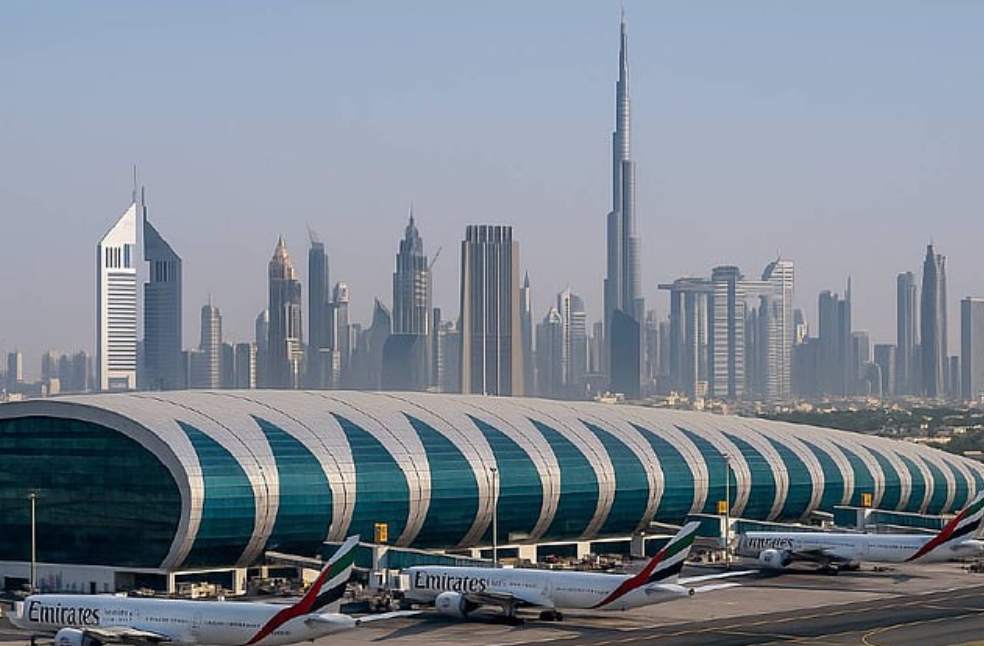
Dubai International Airport (DXB) handled 50.4 million passengers in the first nine months of 2026, 28.1 percent fewer than a year earlier, as the regional conflict continued to weigh on air travel, Gulf News reported on Monday.
The airport handled 18.8 million passengers in the third quarter, 22.1 percent fewer than in the same period of 2025, according to the report. August was the busiest month, with 6.6 million passengers. Traffic has recovered gradually since the second quarter, when DXB handled 13 million passengers, with monthly figures rising from 3.5 million in April to 4.5 million in May and 5 million in June. First-half traffic was 31.5 million, the report said.
Paul Griffiths, chief executive of Dubai Airports, said the airport expects to welcome more than 70 million passengers this year and that it is focused on handling future growth as more airlines return. Gulf News did not give the 2025 full-year figure for comparison.
DXB is now served by 57 airlines flying to 235 airport destinations in 101 countries, up from almost 50 airlines and 217 destinations in 99 countries in the first half of the year, according to Dubai Airports. British Airways resumed services earlier this month, joining Royal Air Maroc, SunExpress, and Cebu Pacific, and more airlines are expected to return in the coming weeks, the airport operator said. In September, passengers travelling directly to and from Dubai accounted for 49 percent of traffic, while connecting passengers accounted for 51 percent, Gulf News reported.
India was DXB’s biggest country market in the third quarter, with 2.6 million passengers, followed by Saudi Arabia with 1.4 million, the UK with 1.3 million, Pakistan with 800,000, the US with 640,000, and Germany with 480,000. London was the busiest city, with 784,000 passengers, followed by Mumbai with 528,000, New Delhi with 525,000, Riyadh with 500,000, and Jeddah with 490,000. Among outbound leisure destinations, passenger numbers to Milan rose 20 percent, Phuket 17 percent, Cape Town 14 percent, Barcelona 13 percent, and Denpasar 11 percent.
Aircraft movements in the nine months totalled 243,000, down 27.6 percent, with 92,800 in the third quarter. Cargo volumes were 1.215 million tonnes, down 23.2 percent, including 464,000 tonnes in the third quarter. The average passenger load factor was 74 percent, three percentage points below a year earlier, and the average number of passengers per movement was 211, down 0.8 percent, according to the report.
Dubai Airports is investing more in artificial intelligence, predictive analytics, and connected operational systems to manage returning demand within its existing infrastructure, Gulf News reported. It is combining data and video feeds from across DXB into one live view of operations and using predictive analytics to spot pressure points early. Self-service and biometric processes are meant to reduce manual steps. Griffiths said combining technology with better ways of working can “unlock additional capacity without expanding the airport’s footprint."