
Emirates H1 profit drops as fuel prices double
প্রকাশ: বৃহস্পতিবার । নভেম্বর ০৫, ২০২৬
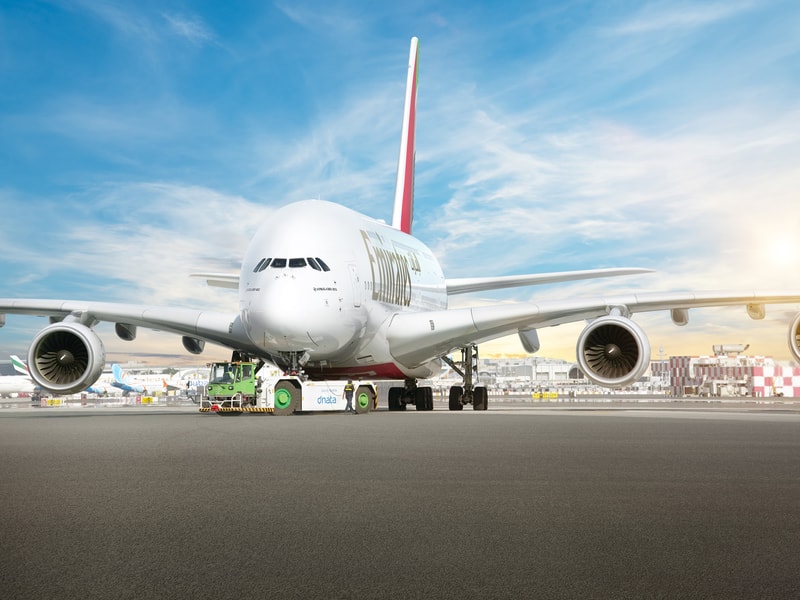
The Emirates Group reported a half-year profit before tax of 4.1 billion UAE dirhams (1.1 billion US dollars) for the six months to September 30, down 66 percent from a record period a year earlier, as the regional conflict and higher fuel prices cut into its results.
Group revenue fell 12 percent to 66.2 billion dirhams (18.0 billion dollars). Profit after tax was 3.6 billion dirhams (1.0 billion dollars), and earnings before interest, tax, depreciation, and amortisation (EBITDA) were 12.5 billion dirhams (3.4 billion dollars), down 41 percent, according to the Group’s results statement.
The Group’s cash position stood at 54.1 billion dirhams (14.7 billion dollars) on September 30, compared with 59.6 billion dirhams on March 31. It said it used its cash reserves for aircraft pre-delivery payments and debt payments and paid the remaining 2 billion dirhams of a 3.5 billion dirham dividend to its owner, the Investment Corporation of Dubai, for 2025-26.
Sheikh Ahmed said, "It has been a demanding six months” and that customer demand held firm, while cargo helped keep revenue and cash healthy even as global jet fuel prices doubled from a year earlier. He thanked the UAE government for coordinating the safe resumption of air transport after military activity in the Gulf region and said the Group continued to invest in its fleet and products. He said the group enters the second half with “measured optimism”.
Emirates Airlines reported a profit before tax of 3.7 billion dirhams (1.0 billion dollars), down 68 percent, on revenue of 56.9 billion dirhams (15.5 billion dollars), down 13 percent. It carried 21.8 million passengers, down 22 percent, and its passenger seat factor fell to 72.0 percent from 79.5 percent. The airline said it was operating 91 percent of its pre-disruption network as of September 30, serving 150 airports in 78 countries and territories.
Before hedging, Emirates’ fuel costs rose 60 percent, according to the Group. Gains of 7.1 billion dirhams from its fuel hedging reduced the net rise to 13 percent. Fuel made up 34 percent of the airline’s operating expenses.
Emirates SkyCargo carried 1.2 million tonnes, down 1 percent, but cargo revenue rose 52 percent because the regional conflict reduced available air freight capacity and disrupted sea transport, the Group said.
dnata, the group's ground handling and travel arm, reported a profit before tax of 410 million dirhams (112 million dollars), down 51 percent, on revenue of 11.0 billion dirhams (3.0 billion dollars), down 7 percent. The Group said the decline reflects lower volumes in some of its UAE and UK businesses.
The Group’s workforce fell 2 percent from March 31 to 128,237 at the end of September, although it said both Emirates and dnata continue to recruit.
Emirates said it received nine Airbus A350 aircraft and refurbished the cabins of 12 aircraft in the half year and that it plans to spend more than 7.0 billion dollars on its retrofit programme.
Source: PR