
Europe, Australia, Canada issue joint warning against visa fraud
প্রকাশ: বুধবার । এপ্রিল ০৮, ২০২৬
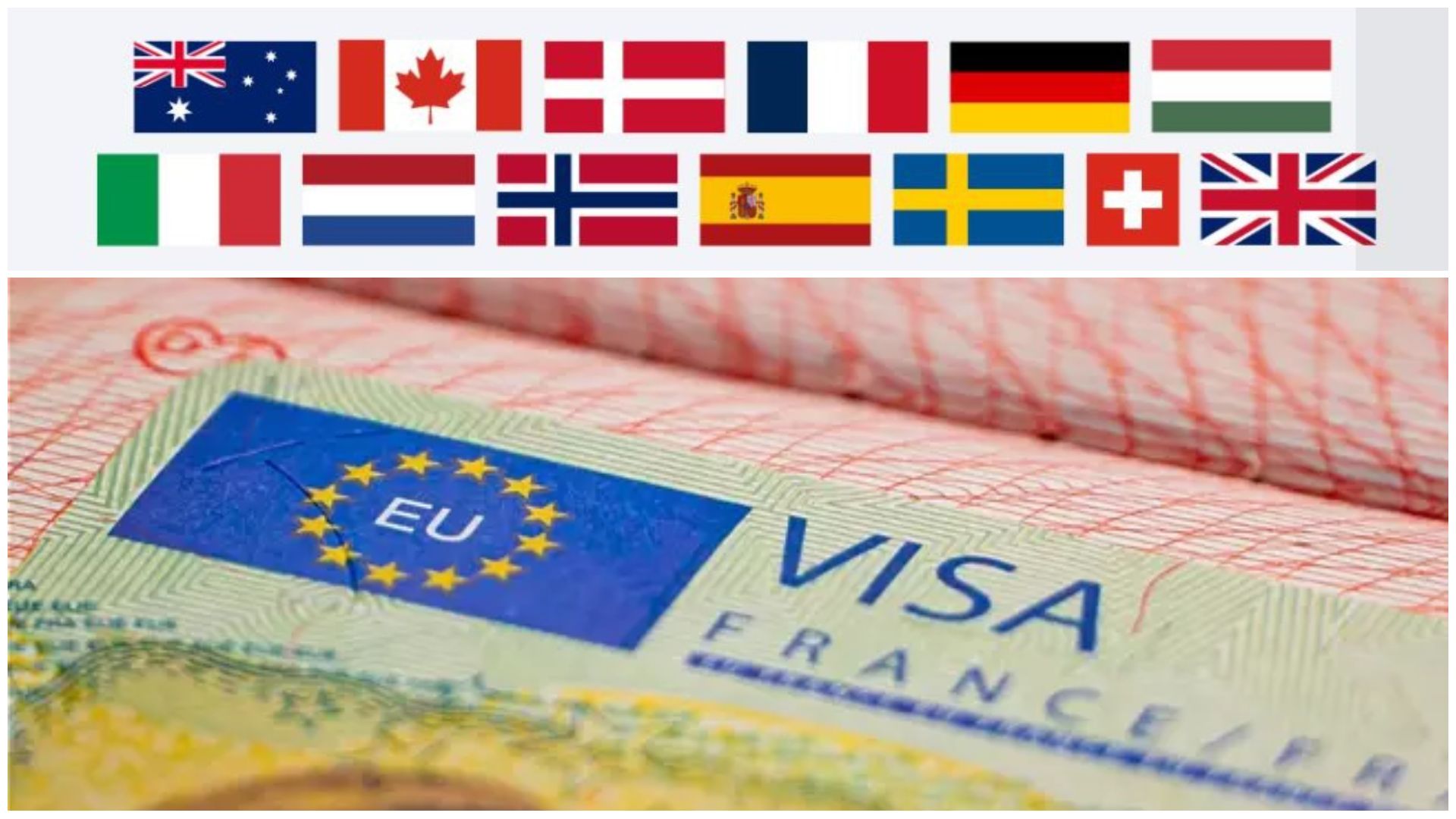
A coalition of European and other foreign nations published a joint advisory on Wednesday cautioning visa and permit applicants against the use of fraudulent documents, unlicensed intermediaries, and unofficial payment channels, according to a notice circulated through their verified social media accounts.
The statement, bearing the flags of more than a dozen European countries, including Germany, France, the United Kingdom, the Netherlands, Norway, Sweden, Spain, Switzerland, Denmark, Hungary, Italy, and others, was released simultaneously across their verified Facebook pages.
Warning Against Document Fraud
The notice urged all applicants to "follow official procedures when seeking visas, permits, or other consular services," and specifically cautioned against the use of falsified documents and payments made to unauthorised individuals or agencies.
"Such actions can lead to delays, financial loss, refusal at borders, and/or serious legal consequences," the statement read, underscoring the potential criminal and administrative penalties facing those who circumvent official processes.
No Affiliation With Third-Party Agents
The signatory missions also moved to distance themselves from intermediaries who claim to possess special access or influence over visa adjudication.
"No mission is affiliated with any agents," the statement declared, advising applicants to treat any such claims with scepticism. The notice described reliance on such individuals as a risk factor rather than a facilitator, and strongly recommended against engaging their services.
Call for Transparency and Official Channels
The coalition reaffirmed its commitment to a fair and transparent application process, directing applicants exclusively toward "verified information and official channels provided by legitimate authorities."
The joint declaration reflects a growing concern among European diplomatic missions, particularly those operating in high-volume visa-application markets, about the prevalence of fraudulent schemes targeting prospective travellers and migrants.