
Europe unveils emergency energy plan after Middle East crisis adds €24 billion to import bill
প্রকাশ: বৃহস্পতিবার । এপ্রিল ২৩, ২০২৬
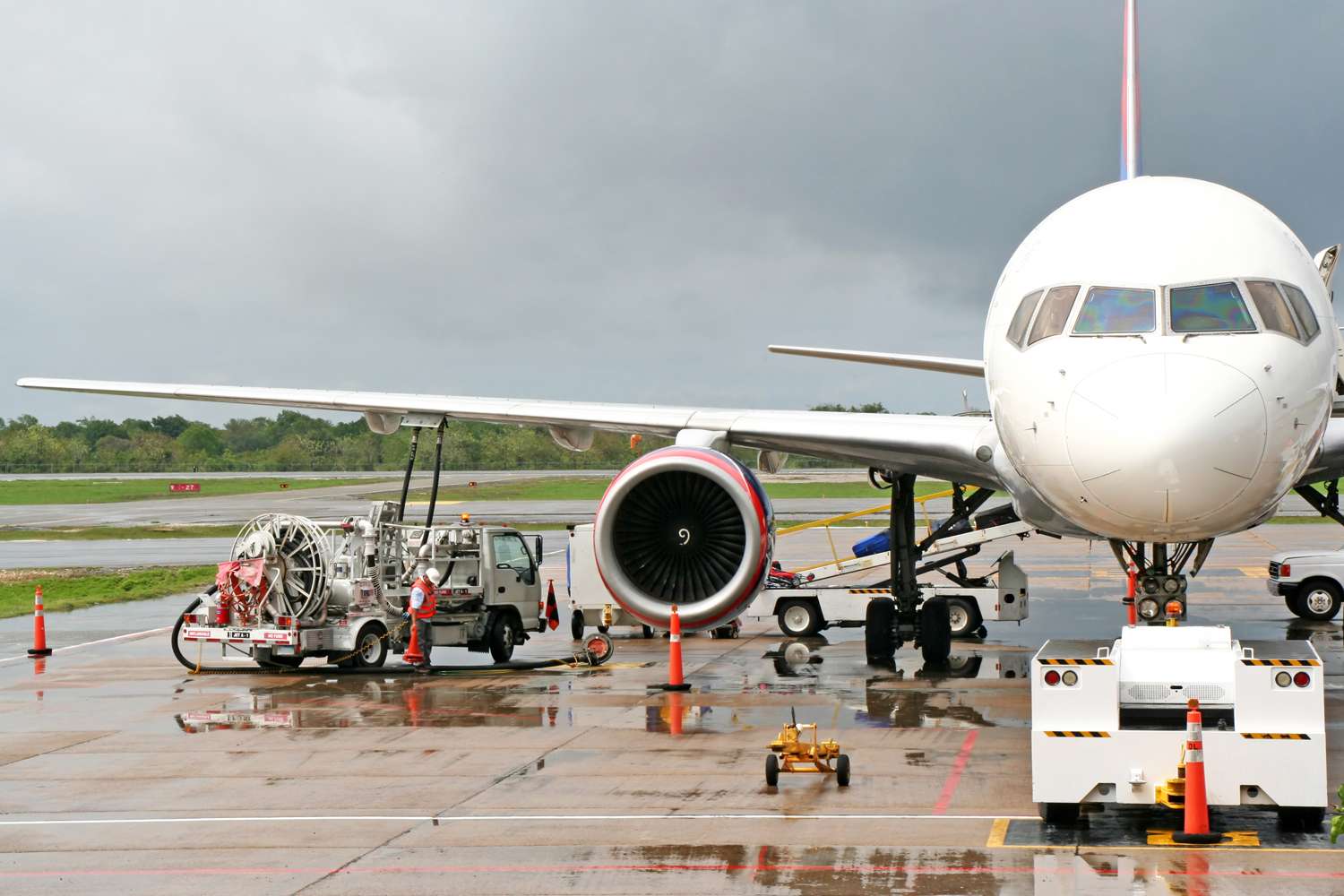
The European Commission has launched a sweeping energy emergency package after the conflict in the Middle East pushed the bloc's fuel import costs up by €24 billion— without delivering a single additional unit of energy.
The European Commission on Wednesday unveiled a broad package of emergency and structural energy measures, warning that Europe was once again "paying the price" of its dependence on imported fossil fuels as the Middle East crisis continues to drive up global energy costs.
The plan outlines both short-term consumer protections and longer-term structural reforms aimed at weaning Europe off volatile fossil fuel markets, and it was presented to EU member states ahead of an informal leaders’ summit in Cyprus on 23-24 April.
Since the escalation of the Middle East conflict, the EU has spent an additional €24 billion on energy imports due to higher prices, without receiving any extra supply.
Commission President Ursula von der Leyen framed the package as an economic and security necessity. “The choices we make today will shape our ability to face the challenges of today and the crises of tomorrow,” she said in a statement.
“Our strategy will bring both immediate and more structural relief measures to European citizens and businesses. We must accelerate the shift to homegrown, clean energies. This will give us energy independence and security, and mean we are better able to weather geopolitical storms,” she added.
On financing, the Commission acknowledged that the energy transition requires €660 billion a year through to 2030 — a sum far beyond what public funds can cover. To attract private capital, the Commission said it would host a Clean Energy Investment Summit bringing together institutional investors, industrial leaders and public financiers.
Immediate relief measures
Among the most immediate steps, the Commission proposed targeted consumer support including income support schemes, energy vouchers and social leasing arrangements, alongside temporary reductions in electricity excise duties for vulnerable households.
A new State Aid Temporary Framework will also be adopted, giving national governments additional room to support sectors most exposed to high energy costs — a measure likely to be welcomed by energy-intensive industries across the bloc.
Fuel observatory, aviation relief
A new EU Fuel Observatory will be established to track production, imports, exports and stock levels of transport fuels across the bloc, enabling rapid identification of potential shortages.
The Commission said it would also clarify existing flexibilities within the EU aviation framework to help airlines cope with flight cancellations and other disruptions caused by the current crisis.
Commissioner for Sustainable Transport Apostolos Tzitzikostas said the plan was designed to keep European transport competitive. "We will step up coordination to optimise transport fuel distribution across Europe, starting with jet fuel," he said. "We will work closely with Member States and stakeholders to limit the burden of rising costs on citizens and businesses."
Source: Gulf News