
Gulf aviation crisis to drain USD 3,400 Cr.: Oxford Analysis
প্রকাশ: রবিবার । মার্চ ০৮, ২০২৬
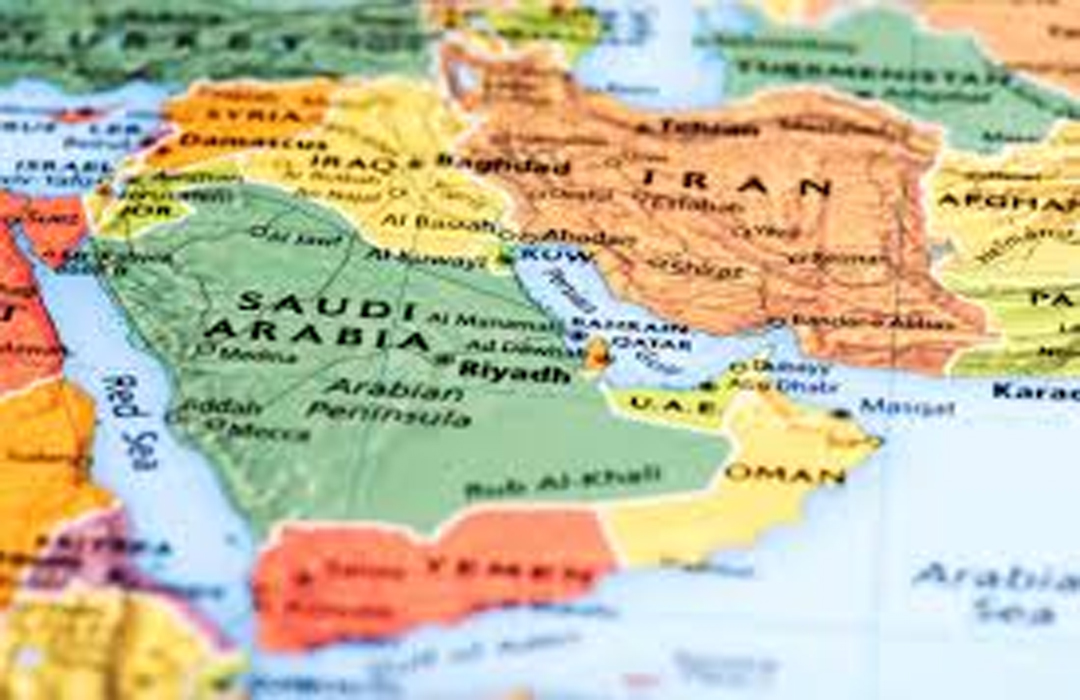
Gulf region faces potential USD 3,400 crore (TK 4,136 crore 3 lakh 88 thousand) economic blow as ongoing US-Israeli military operations against Iran disrupt global aviation, threatening 11% drop in Middle East tourism this year, according to Oxford Economics analysis reported by British daily newspaper The Guardian.
Transport correspondent of the newspaper, Gwyn Topham wrote, Emirates announced partial resumption of operations despite continuing conflict, planning 11 daily flights to five British airports by Saturday. Dubai-based carrier will operate at 60% capacity, serving 83 destinations including 7 US airports and 22 daily India routes.
Crisis exposed world aviation’s heavy reliance on 3 major Gulf hubs handling nearly 3 lakh passengers daily. Dubai, Abu Dhabi and Doha had established themselves as global crossroads connecting Asia, Africa, Europe, Americas and Oceania before closures created massive passenger backlogs.
Transport correspondent Gwyn Topham reported that two-thirds of passengers transiting through these hubs were connecting flights. Dubai alone processes 1 lakh 75 thousand daily passengers, with 55% staying for tourism or stopovers. Abu Dhabi’s Zayed airport handles 55 thousand passengers, 70% of whom transit onward.
Russia-Ukraine conflict had already pushed European eastbound traffic south into Gulf corridor. New closures created aviation traffic jam rippling across continents, stranding passengers from Thailand to Australia.
British Foreign Office struggled organising delayed rescue flights from neighbouring Oman. Many travellers found one-hour transfers turned into indefinite waits in developing war zone.
Oil price shock compounds aviation crisis. Brent crude soared past USD 90 (nearly TK 11 thousand) per barrel on Friday (March 6), jumping from USD 72.50 (nearly TK 9 thousand) before conflict began. Strait of Hormuz shipping halt, affecting 20% of world’s oil flows, drove increases threatening record-high kerosene prices.
British Airways owner IAG spent approximately GBP 610 crore (TK 99,366 crore 56 lakh) on fuel last year, representing 25% of total costs. While IAG hedged 40% of next year’s jet fuel purchases, many airlines remain severely exposed to price volatility.
Hungarian carrier Wizz Air issued GBP 5 crore (TK 814 crore 48 lakh) profit warning Thursday over Gulf war impact. Credit ratings agencies prepared to downgrade multiple airlines if hostilities continue and oil prices remain elevated.
S&P Global Ratings credit analyst Rachel Gerrish told The Guardian agencies would monitor ‘how rising fuel prices, operational disruptions, and shifts in consumer demand develop’. Airlines including BA, easyJet and Ryanair ‘typically have a good track record of passing on elevated fuel prices to customers’, suggesting higher fares ahead.
Geography underpins Gulf hub success, with two-thirds of world's population within eight-hour flight range. However, fuel efficiency decreases beyond 4,800-to-6,400-kilometre connections, making direct long-haul alternatives less viable.
Etihad followed Emirates in restarting limited repatriation services Friday. Qatar’s airspace, located 320 kilometres west along Gulf, remains fully closed.
Aviation analyst Andrew Charlton warned prolonged closures will permanently alter travel patterns. “Passengers are going to have found other ways to get around, and destination selections are going to be changed”, Charlton told The Guardian.
Alternative routes through Thai, Cathay Pacific or Singapore airlines exist, though capacity remains limited. Istanbul could emerge as major winner if Gulf closures continue. African carriers like Ethiopian and Kenya Airways may benefit from north-south traffic shifts.
Emirates president Tim Clark expressed confidence at Dubai summit last month, noting profits rose "almost nuclear" in five years since Covid pandemic. However, industry observers question whether growth can sustain current disruptions.
Topham reported, middle East airlines invested sovereign wealth billions in establishing themselves as global aviation leaders. Investments included football stadium branding, airline logo promotions and mega-orders for newest fuel-efficient luxury aircraft.
Loss of Middle East capacity will drive long-haul fare increases as demand outstrips supply. Aviation analyst Charlton suspects Emirates will eventually recover through discounted ticket strategy. “They'll offer cheap tickets, and it’s never failed in the past. Then they ramped up the ticket prices, and we still travelled”, he told The Guardian.
Most European carriers had abandoned Asian routes, making quick response difficult. Question remains how rapidly airlines can adjust networks if Gulf corridor remains blocked.
Source: The Guardian