
How pilots and cabin crew are tested for alcohol and drugs
প্রকাশ: শুক্রবার । জুলাই ১০, ২০২৬
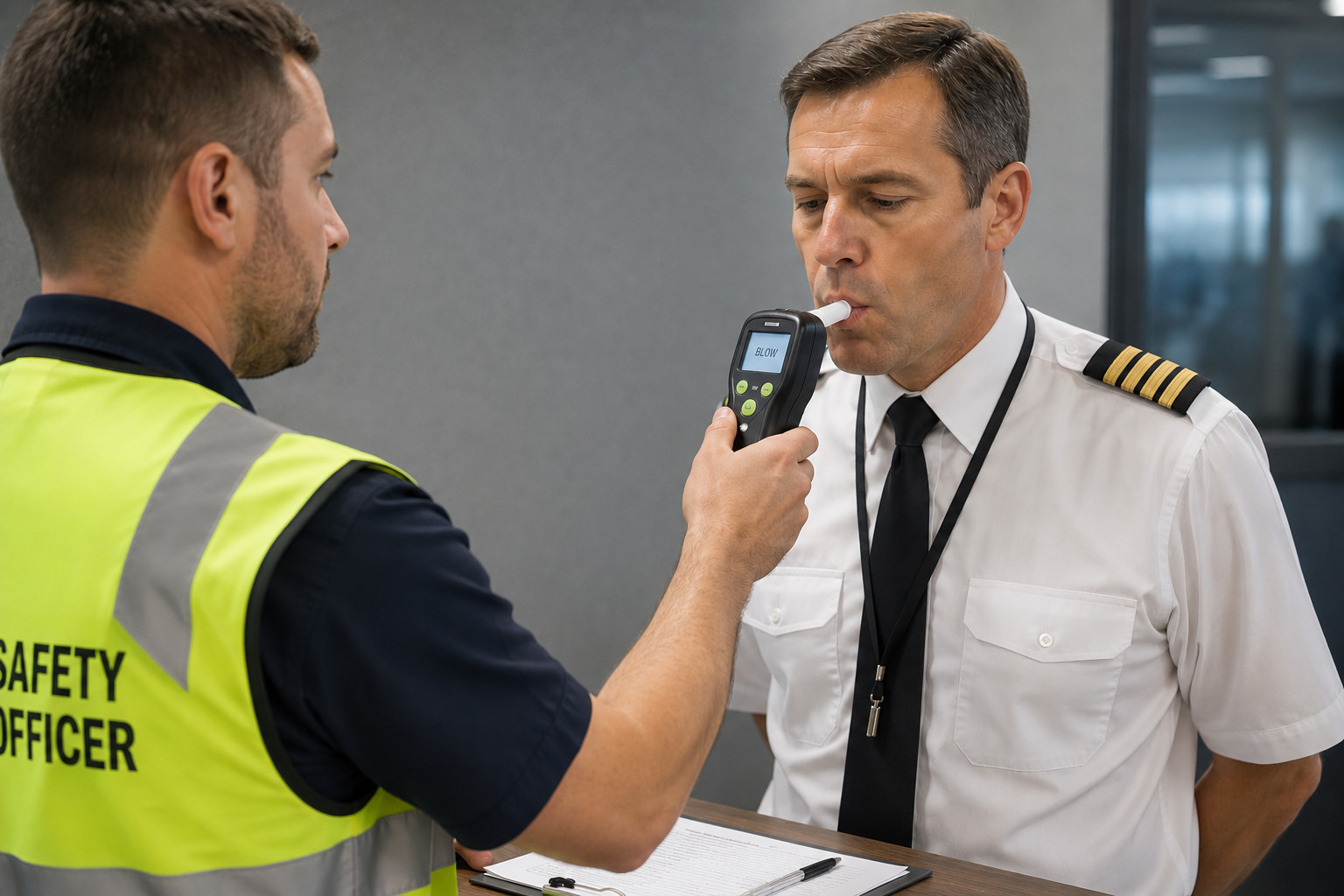
Anyone who has experienced a flight cancellation knows the disruption it can cause. What begins as a delay can quickly become a logistical challenge for both passengers and airline staff, who must scramble to arrange alternative travel for stranded travelers.
Flights are canceled for a variety of reasons. Severe weather and technical issues that cannot be resolved promptly by qualified engineers are among the most common. However, flight cancellations can also result from alcohol and drug-related issues involving flight crew.
Incidents like alcohol and drug-related issues are exceptionally rare, but they inevitably raise important questions. How are pilots and cabin crew tested for alcohol and drugs? When do these tests take place? And what happens if a crew member fails?
Safety comes first
Commercial aviation is one of the world's most highly regulated industries—and for good reason. Every flight relies on a complex combination of advanced technology, rigorous procedures, and human performance to operate safely. At cruising altitude, there is virtually no margin for error.
While modern aircraft are remarkably reliable, the people operating them remain the industry's most critical safety component. Ensuring that flight crews are fit for duty is therefore a fundamental pillar of aviation safety.
Regulations around the world prohibit pilots and other safety-critical personnel from operating an aircraft while under the influence of alcohol, illegal drugs, or any medication that could impair their performance. Even low levels of impairment can affect judgment, reaction time, coordination, and decision-making—abilities that are essential in the cockpit.
When and how flight crews are tested
Many airlines and aviation authorities conduct random alcohol and drug tests without prior notice. These may take place before a crew member reports for duty or during their workday. Some operators add another layer of protection by requiring mandatory breathalyzer tests before every duty period.
Testing may also be required following an accident or serious incident as part of an official investigation. In addition, some airlines conduct alcohol and drug screening during the recruitment process or whenever there is reasonable suspicion that a crew member may not be fit to fly.
Alcohol testing is typically carried out using portable devices commonly known as breathalyzers—although "Breathalyzer" is actually a brand name, much like Velcro or Band-Aid. Regardless of the manufacturer, the principle remains the same: measuring the concentration of ethanol in a person's breath.
Most devices use a fuel-cell sensor that generates an electrical current when alcohol is detected. The stronger the current, the higher the measured alcohol concentration. The process is quick, accurate, and non-invasive, requiring only a sustained breath into the device.
Drug testing is less common in routine operations and generally involves collecting saliva or urine samples. If necessary, blood samples may also be used for confirmatory testing.
What happens after a positive test?
One important point deserves clarification: no screening test is considered the final word. False positives, while uncommon, can occur. For that reason, an initial positive result is normally followed by confirmatory laboratory testing, often involving a blood sample collected at a medical facility.
Investigators will also determine whether there is a legitimate medical explanation for the result, such as prescribed medication that has been approved by an aviation medical examiner.
If prohibited substance use or impairment is confirmed, however, the consequences can be severe. Testing positive for alcohol or any illegal substance will see punishment ranging from suspension, and the loss of medical certification to dismissal or criminal prosecution.
A system designed to protect, not just punish
It is also important to recognize that substance dependency is often a medical condition rather than simply a disciplinary issue. Alcohol and drug addiction are widely recognized as treatable diseases, and many airlines have adopted support programs alongside strict enforcement measures.
Reflecting aviation's broader philosophy of preventing incidents before they occur, many operators offer confidential assistance programs that encourage employees to seek help without fear of immediate punishment. These may include anonymous reporting channels, peer-support networks, and access to addiction treatment specialists. The objective is to identify problems early, support recovery, and maintain safety.
Every year, millions of commercial flights operate safely around the world thanks to aviation's multiple layers of protection. Medical examinations, recurrent training, fatigue management, standardized operating procedures, and alcohol and drug testing all work together to ensure that every flight departs with a crew that is fully fit to fly.
Source: flightradar24