
ICAO members call for reforms to support aviation innovation
প্রকাশ: শুক্রবার । নভেম্বর ২০, ২০২৬
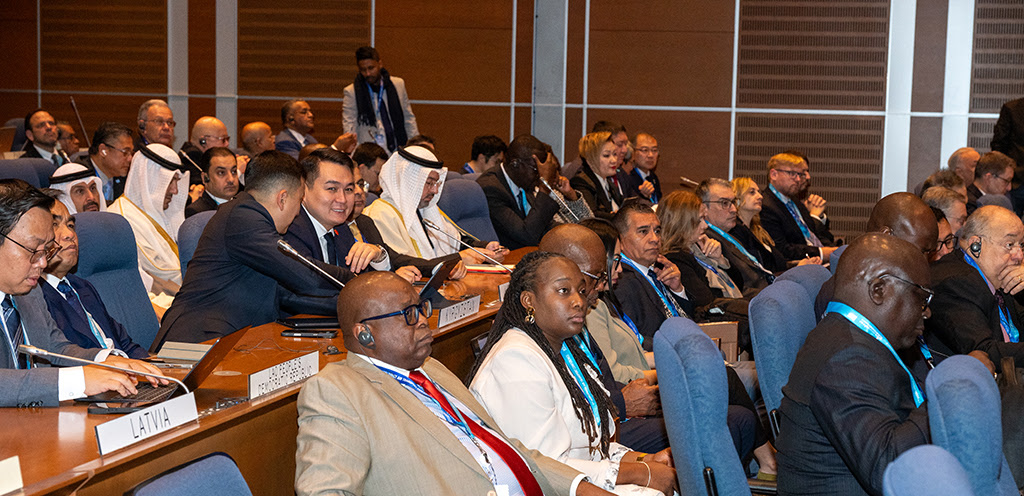
Member states of the UN aviation agency, the International Civil Aviation Organization (ICAO), have called for reforms to the global economic and regulatory framework for civil aviation to support emerging technologies, digital transformation, and the adoption of cleaner energy.
The call came on the fourth day of the ICAO Worldwide Air Transport Conference at the organisation’s headquarters in Montreal, where delegates discussed ways to encourage innovation while maintaining safety, investment, and the resilience of international air transport, said a ICAO press release received here today.
Participants reached broad agreement on the need for harmonised, risk-based, and proportionate economic regulation to facilitate the adoption of technologies such as artificial intelligence, automation, sustainable aviation fuels (SAF), and advanced air mobility solutions.
They also highlighted the importance of regulatory frameworks that encourage investment and provide clear pathways for commercial deployment while allowing flexibility to address national and local circumstances.
Guidance and early-stage regulatory initiatives, including regulatory sandboxes and demonstration corridors, were identified as useful tools for testing emerging technologies and gaining practical experience before introducing binding standards.
Digital transformation
Digitalisation featured prominently in the discussions, with delegates highlighting the role of reliable and interoperable data systems in improving operational efficiency, safety, and resilience, as well as supporting evidence-based policymaking and infrastructure modernisation.
Key priorities included upgrading communication and air traffic management systems, developing shared digital standards, and strengthening cybersecurity across the aviation sector.
Participants also stressed the need to make digital technologies accessible and affordable for operators of different sizes and ensure that developing states can participate in the transition.
Closer cooperation between governments and industry was identified as essential to keeping regulatory frameworks in step with technological developments. Delegates said harmonised approaches could provide greater certainty for investors and support long-term infrastructure planning.
The conference also pointed out the value of international standards in preventing regulatory fragmentation that could hinder cross-border air services. ICAO’s Carbon Offsetting and Reduction Scheme for International Aviation (CORSIA) was cited as an example of international cooperation in this area.
Focus on sustainable growth
On aviation’s environmental impact, participants agreed that wider access to sustainable fuels and alternative energy solutions could create economic opportunities, generate skilled jobs, and strengthen energy security across countries at different stages of development.
Delegates called for international support, investment mobilisation and the development of robust supply chains to expand the availability of cleaner energy sources.
They also supported harmonised certification and sustainability criteria to help scale up the production and use of sustainable aviation fuels globally, alongside targeted capacity-building support for developing states.
Throughout the discussions, delegates emphasised ICAO’s role in providing practical guidance, promoting international harmonisation and assisting member states through technical support and tools.
The fourth-day discussions reflected a shared commitment among member states to modernise aviation’s regulatory, economic, and digital frameworks to support innovation and the sustainable growth of international air transport.