
Indian citizen detained in Abu Dhabi over Poppy seed-coated sweet
প্রকাশ: শনিবার । আগস্ট ০১, ২০২৬
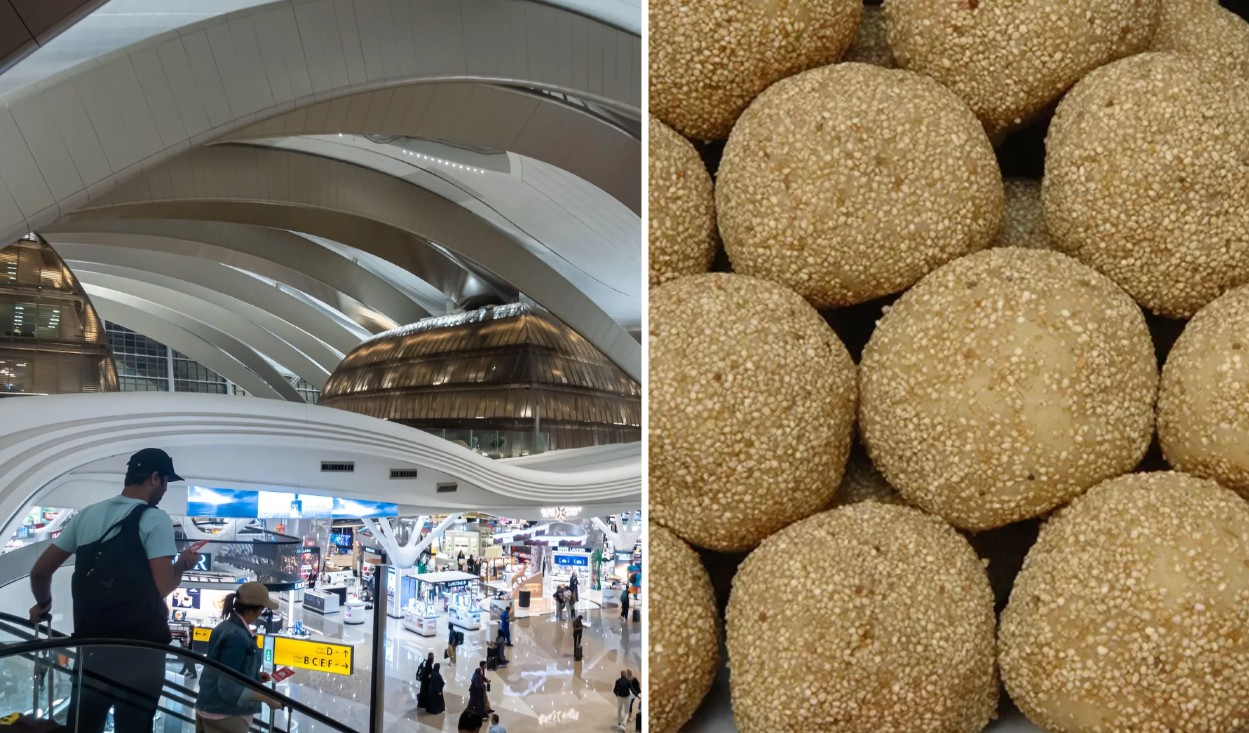
An Indian man from Bihar has reportedly been detained at Abu Dhabi International Airport after airport security objected to poppy seeds coating a traditional Indian sweet found in his luggage, according to his family.
Satish Kumar left Patna for Abu Dhabi via Ahmedabad on July 22, family members said. Before departing, he had bought Raskadam, a Bengali sweet coated with poppy seeds to give to acquaintances abroad.
Relatives said Kumar was questioned and subsequently taken into custody after security officials at Abu Dhabi Airport flagged the poppy seed coating, known in India as khus khus or posto dana, during screening. The family said they had not been aware that food items containing poppy seeds could violate import regulations in the United Arab Emirates.
The family has approached the Indian Embassy and other authorities, seeking legal assistance and intervention for Kumar's early and safe release, according to the report.
Poppy seeds are derived from the opium poppy plant. While cultivating opium poppy in India requires a government license, the sale and consumption of processed poppy seeds remain legal, and the seeds are widely used in Indian sweets and traditional dishes.
India's Narcotics Department oversees licensed opium cultivation, requiring farmers to sell the extracted opium latex exclusively to the government while permitting the dried seed pods to be marketed as poppy seeds; unauthorised cultivation remains a punishable offence. Several countries, including the UAE, Singapore, and China, restrict poppy seed imports due to their link to the opium poppy plant.
An Indian food inspector, Ajay Kumar, said poppy seeds are legal and commonly used in Indian sweets but cautioned that even unknowingly carrying a product banned elsewhere could lead to legal trouble.
You should do to avoid such circumstances—
Before packing food items for international travel, passengers are advised to check the destination country's customs and food-import rules in advance, since regulations on items such as poppy seeds, certain spices, dairy, meat, and seeds vary widely between countries.
Sweets or snacks containing poppy seeds, in particular, should be avoided when travelling to countries such as the UAE, Singapore, and China, where they are restricted.
Travellers should also carry only factory-sealed, labelled food products where possible; retain purchase receipts; declare food items at customs if required; and, when in doubt, consult the destination country's embassy or airline guidelines rather than assume a locally legal item will be permitted abroad.
Source: ETV Bharat