
Is Biman’s Boeing Deal Too Big, Too Soon?
প্রকাশ: রবিবার । ফেব্রুয়ারি ০১, ২০২৬
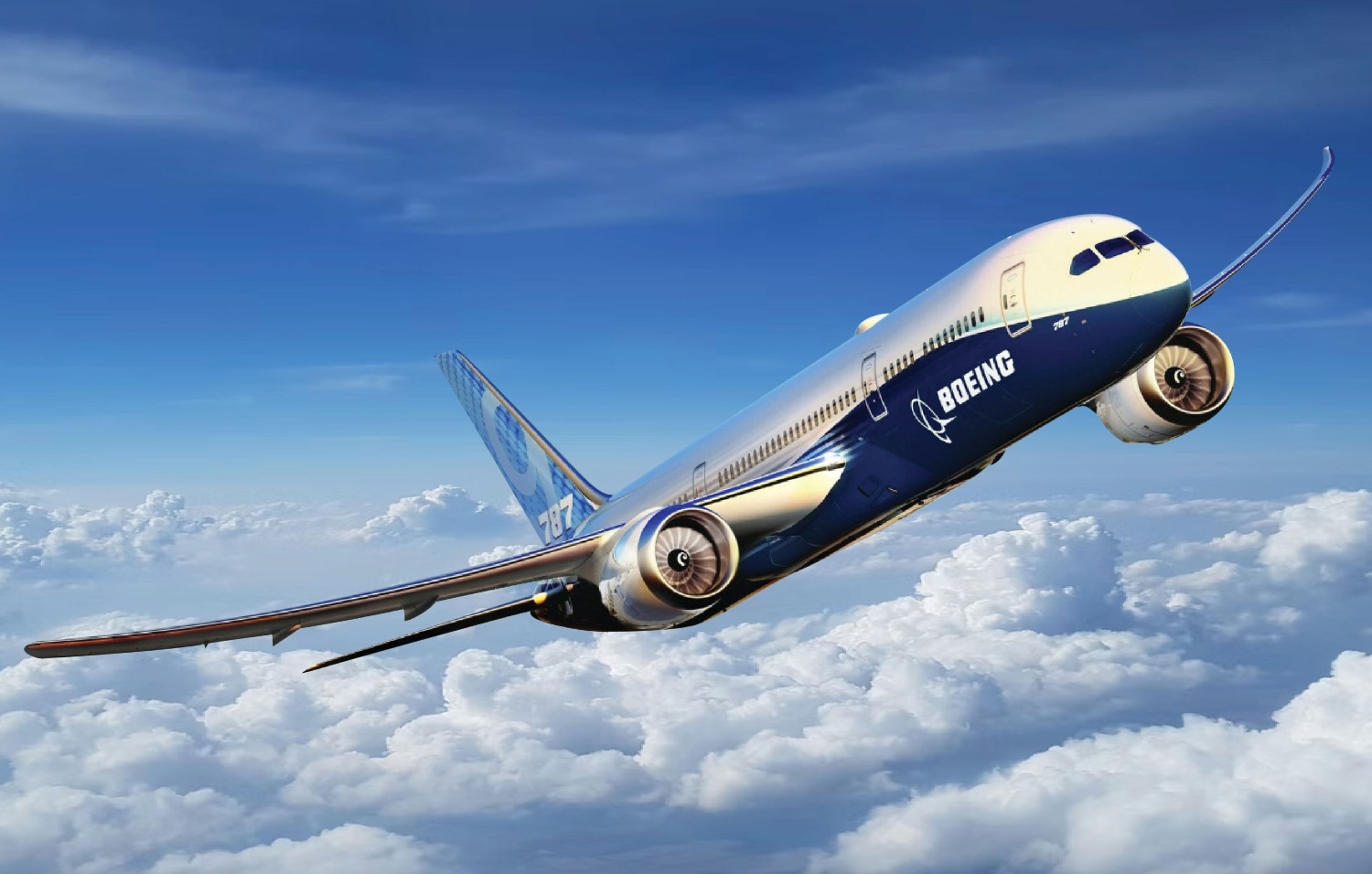
As Bangladesh approaches a national election scheduled for February 12, one of the most consequential aviation decisions in the country’s history is moving at extraordinary speed. With only days left before voters go to the polls, the interim government appears determined to finalise a multi-billion-dollar aircraft acquisition agreement between Biman Bangladesh Airlines and U.S. aircraft manufacturer Boeing, a deal that will shape the flag carrier’s fleet, finances, and global footprint for decades.
At the centre of the debate is Biman’s proposed purchase of 14 aircraft—eight Boeing 787-10 Dreamliners, two 787-9s, and four 737-8 MAX jets—at an initial list value of approximately USD 3.7 billion, or around Tk 37,000 crore. Negotiations have entered their final phase, with senior airline and government officials signalling that a formal contract could be signed as early as this week.
The rush to conclude such a far-reaching procurement just before an election by an interim, unelected administration has raised fundamental questions about mandate, transparency, and long-term financial risk.
Last-Minute Bargaining: The 10 Percent Question
As negotiations approach their final hours, one unresolved issue has become emblematic of the broader process. After failing to secure deeper concessions in earlier rounds, Biman has made a last-minute push for a 10 percent discount on the total deal value, estimated at USD 3.7 billion.
An urgent letter requesting the reduction has been sent to Boeing’s headquarters in Seattle, even as officials privately acknowledged that the likelihood of acceptance is slim.
Boeing has already indicated that its pricing flexibility is nearing exhaustion. Still, Biman officials said the request represents a final negotiating effort before the contract is locked in.
Negotiations Accelerate as Election Nears
Talks between Biman and Boeing have been ongoing for months, but the pace has sharply accelerated in recent weeks. Airline sources said an initially cautious, phased approach has given way to urgency as the political and administrative window narrows.
Officials familiar with the discussions said Boeing has offered what it describes as “maximum flexibility” within commercial norms and has little room left to manoeuvre on price and conditions. Even so, Biman has continued pressing for improved terms as the deadline approaches.
A senior Biman director, speaking on condition of anonymity, described the shift clearly:
“Earlier, management wanted to move step by step—price, payment terms, delivery slots, training. As the election approaches, the emphasis has shifted toward closing the deal.”
If Boeing’s final response arrives this week, officials said a summary will be placed before the Chief Adviser and, subject to approval, tabled the same day at a Biman board meeting, clearing the way for signing before the polls.
What the Deal Covers
The proposed order includes both wide-body and narrow-body aircraft intended to serve long-haul and regional markets. Boeing’s prices are based on 2024 dollar valuations, with deliveries scheduled between 2031 and 2035. Payments would be made at prevailing exchange rates at the time of delivery, with inflation adjustments incorporated into the final cost.
Biman sources said each Boeing 787-9 Dreamliner has been priced at approximately USD 175 million, while each 737-8 MAX carries a price tag of around USD 63 million.
Boardroom Reshuffles Raise Governance Questions
Concerns over the deal’s timing deepened following a series of late board appointments.
The interim government recently added National Security Adviser Dr Khalilur Rahman, Chief Adviser’s Special Assistant Faiz Ahmad Taiyeb, and Election Commission Senior Secretary Akhtar Ahmed to Biman’s board of directors. The appointments came less than a month before the election and at a critical moment in the Boeing negotiations.
Earlier, Civil Aviation and Tourism Adviser Sk Bashir Uddin was appointed chairman of the Biman board reviving long-standing concerns about governance overlap and institutional independence.
To many aviation insiders, the timing appears far from coincidental.
“When board compositions change just ahead of a deal of this magnitude, it naturally raises questions about why now—and to what end,” said one industry observer, speaking on condition of anonymity.
A Fleet Gap That Remains
Even if the Boeing deal is signed imminently, it will not resolve Biman’s immediate challenges.
With deliveries extending to 2035, the airline faces at least five years of constrained capacity. Management has acknowledged that the current fleet is insufficient to support growth plans, particularly as regional competitors expand aggressively.
To bridge the gap, Biman has requested Boeing’s assistance in arranging leased aircraft—at least four units—to stabilise operations until new deliveries begin. While Boeing has reportedly offered verbal assurances, no binding commitments have yet been disclosed.
The Boeing deal may ultimately modernise Biman’s fleet and strengthen Bangladesh’s aviation capabilities. But the manner in which it is being pursued under election-season urgency, amid boardroom reshuffles and diplomatic undertones has left unresolved questions about process, precedent, and accountability.
Whether this represents decisive action in the national interest or an overreach by an interim administration will be judged over time by auditors, by future governments, and by how the aircraft perform once they finally arrive.