
Japanese Investors Unveil $1.2 Billion Plan to Transform Bangladesh Tourism
প্রকাশ: রবিবার । অক্টোবর ১৮, ২০২৬
By Aviation Express
Bangladesh's tourism industry could be poised for a major transformation as a delegation of Japanese investors has announced plans to invest an initial US$1.2 billion in the country's tourism and hospitality sector, potentially opening a new chapter in foreign investment, infrastructure development and international tourism partnerships.
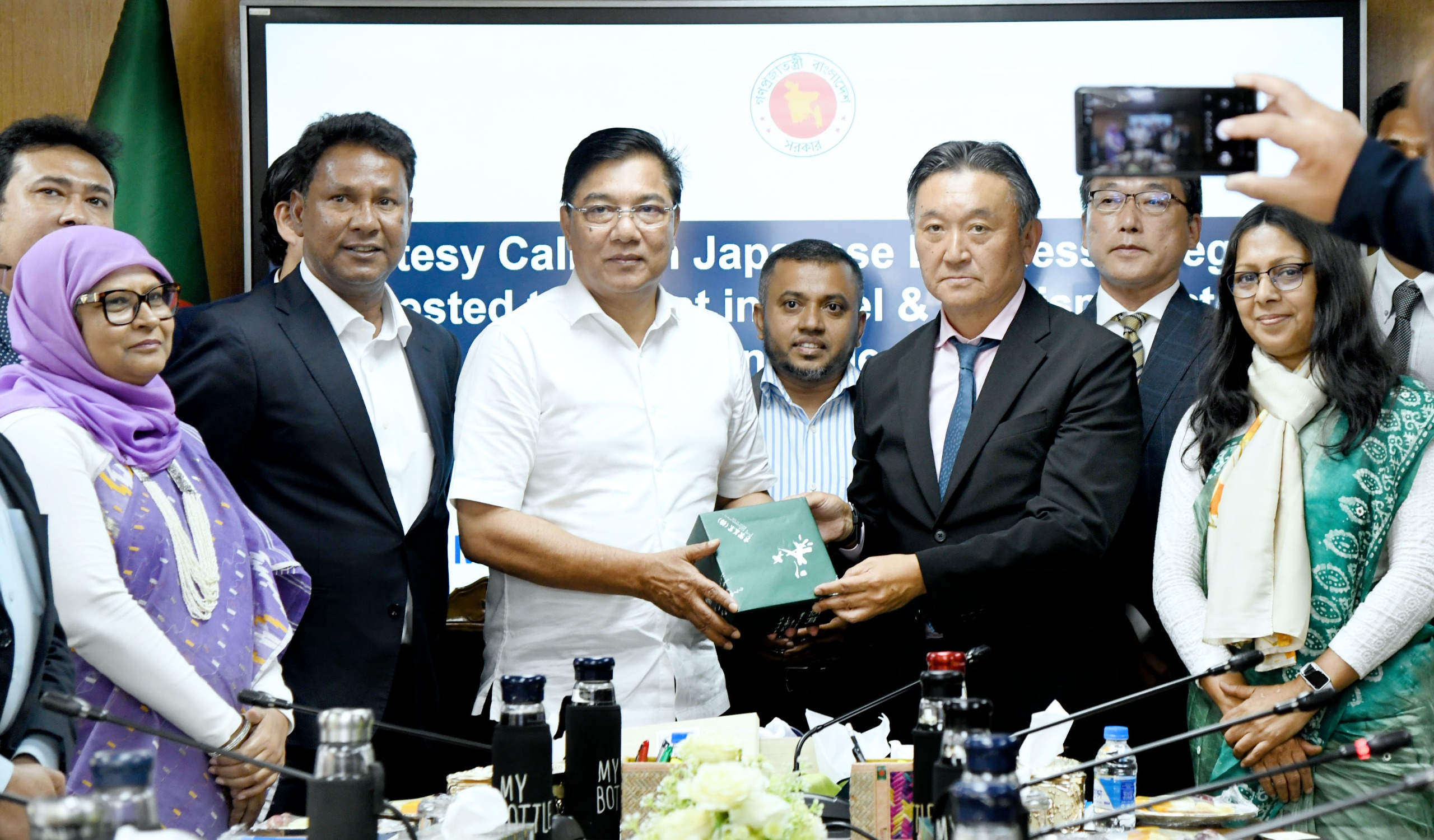
The investment announcement came during a high-level meeting with Civil Aviation and Tourism Minister M. Rashiduzzaman Millat at the Bangladesh Secretariat on October 18, marking a significant expression of Japanese private-sector interest in Bangladesh's largely untapped tourism potential.
The proposed investment, if translated into concrete projects, could help develop tourism infrastructure, expand hospitality facilities and improve the country's ability to attract international visitors.
However, the announcement remains at the proposal stage, with formal investment plans yet to be submitted to the government.
Japanese investors eye Bangladesh's tourism potential
During the meeting, Japanese investors expressed their willingness to work with Bangladesh in developing its tourism and hospitality industry.
They announced an initial investment commitment of $1.2 billion, reflecting their interest in exploring opportunities in a sector that has considerable natural and cultural attractions but requires further infrastructure development and international investment.
The announcement comes as Bangladesh seeks to diversify its economy and position tourism as a stronger contributor to employment, private investment and foreign exchange earnings.
Despite possessing internationally recognised attractions, the country has yet to fully capitalise on its potential as a destination for international leisure and nature-based tourism.
Limited tourism infrastructure, connectivity challenges, insufficient international promotion and gaps in hospitality services remain among the obstacles to attracting larger numbers of foreign visitors.
Against this backdrop, Japanese investment could provide an opportunity to introduce international expertise, modern facilities and improved destination management.
Government promises full support
Welcoming the announcement, Civil Aviation and Tourism Minister M. Rashiduzzaman Millat assured the investors that the government would extend necessary cooperation to facilitate their proposed projects.
“We are delighted to welcome the interest shown by Japanese investors in investing in Bangladesh. Once their investment proposals are formally submitted, the government will promptly take the necessary steps,” the minister said.
He emphasised that the government was prepared to encourage foreign participation in tourism development through mutually beneficial public-private partnership (PPP) arrangements.
According to Millat, Bangladesh wants investment partnerships that generate commercial opportunities for foreign investors while supporting domestic economic growth and tourism development.
The minister also highlighted Japan's longstanding role in Bangladesh's development, particularly its contributions to major infrastructure projects.
“Japan is an old friend of Bangladesh. The government is always ready to extend all necessary cooperation to Japanese investors interested in developing our tourism sector,” he said.
The government's willingness to pursue PPP arrangements could offer an avenue for developing tourism projects requiring substantial capital, infrastructure and long-term operational expertise.
However, the commercial structure, project locations, investment schedule and financing arrangements of the proposed Japanese investment have not yet been disclosed.
From natural attractions to international destinations
Highlighting Bangladesh's tourism potential, Millat pointed to the country's combination of natural landscapes, cultural heritage and distinctive tourism resources.
He identified the Sundarbans, the world's largest mangrove forest, Cox's Bazar's extensive natural sea beach and Sylhet's picturesque tea gardens as examples of attractions capable of drawing greater international attention.
Bangladesh also offers opportunities for developing eco-tourism, cultural tourism, coastal tourism and hospitality services.
However, converting these attractions into internationally competitive destinations will require more than investment announcements.
Improved transport links, reliable utilities, quality accommodation, visitor facilities, environmental safeguards and professional destination management will be essential.
For international investors, clear policies, transparent approval procedures and commercially viable project structures will also be important considerations.
The proposed Japanese investment could become a catalyst for wider tourism development if projects are selected carefully and implemented with appropriate environmental and community safeguards.
Tourism Board to facilitate site visits
As an immediate follow-up, Minister Millat said the Bangladesh Tourism Board (BTB) would arrange visits for the Japanese investors to prospective tourism destinations.
The visits are intended to help the delegation assess potential project locations and identify suitable investment opportunities.
The minister assured the investors that the government would take prompt action once formal proposals were submitted.
The next stage will therefore involve identifying specific projects, assessing their commercial feasibility and determining the appropriate investment arrangements.
No definitive project list, implementation timetable or agreement was announced at the meeting.
A test for Bangladesh's tourism ambitions
The proposed $1.2 billion investment comes at a time when Bangladesh is seeking to strengthen its international tourism profile and attract greater private-sector participation.
For a country with substantial tourism resources but limited internationally competitive hospitality infrastructure, investment of this scale could have significant implications.
Potential benefits include new accommodation facilities, improved visitor services, employment generation, professional training and stronger links between tourism businesses and local communities.
Japanese expertise in infrastructure development, hospitality management and service quality could also contribute to raising industry standards.
Yet the real significance of the announcement will depend on how quickly the investment interest progresses into detailed proposals, formal agreements and operational projects.
Previous experience in tourism development demonstrates that investment intentions must be supported by effective coordination among government agencies, reliable infrastructure and an investment-friendly regulatory environment.
For Bangladesh, the immediate priority will be to turn the Japanese delegation's interest into a practical development roadmap.
That will require identifying bankable tourism projects, ensuring transparent investment procedures and establishing a clear framework for public-private cooperation.
The announcement nevertheless provides a fresh opportunity for Bangladesh to strengthen its economic partnership with Japan beyond traditional infrastructure development.
If successfully implemented, the proposed investment could help transform selected tourism destinations, generate employment and enhance Bangladesh's position in the regional tourism market.
For now, the $1.2 billion proposal represents a significant statement of investor interest. Its ultimate value will be measured by the projects that materialise, the jobs they create and the improvements they deliver to Bangladesh's tourism industry.