
Lightning strikes Sri Lankan A330 engine, sparking flames and mid-air turnback
প্রকাশ: রবিবার । জুন ১৪, ২০২৬
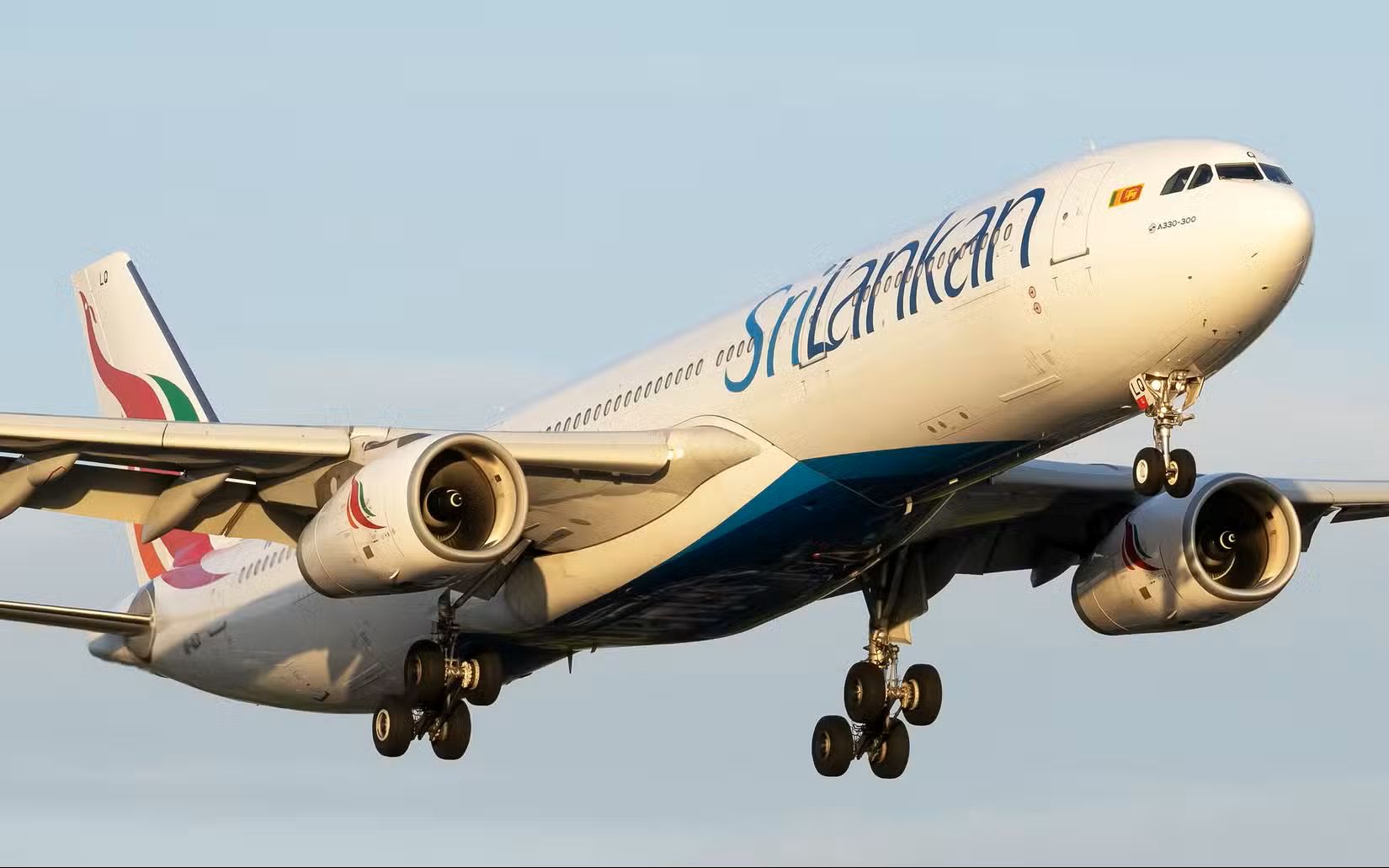
A SriLankan Airlines Airbus A330-200 operating flight UL606 from Colombo to Sydney returned to the airport shortly after departure on June 12 after a lightning strike reportedly affected one of the aircraft's engines. The crew elected to turn back as a precaution, and the aircraft landed safely with all 207 passengers and 16 crew members on board. No injuries were reported.
The incident drew widespread attention after videos and images circulating on social media appeared to show flames near the aircraft's right engine during the climb. SriLankan Airlines later confirmed the flight's safe return and said a replacement aircraft was dispatched, allowing passengers to continue their journey to Sydney later that morning.
Lightning Strike Triggers Return To Colombo
According to the Aviation Safety Network, the aircraft involved was an Airbus A330-243 registered 4R-ALH. The jet was climbing after departing Colombo when it was reportedly struck by lightning, prompting the crew to discontinue the flight and return to the airport. The aircraft landed without further incident. Sri Lanka's civil aviation authorities subsequently confirmed that the aircraft returned safely to Bandaranaike International Colombo Airport. Officials stated that the event occurred while the flight remained within Sri Lankan airspace and that an investigation was underway to assess the circumstances surrounding the strike and any resulting damage.
Images shared online by aviation observers and flight-tracking accounts appeared to show brief flames or sparks associated with the affected engine, fueling speculation about the severity of the occurrence. However, airlines and investigators typically conduct detailed inspections before determining the full extent of any damage following a lightning-related event. Nevertheless, flames and sparks spotted in the engine is undoubtedly a cause for alarm.
Airline Prioritizes Passenger Safety
In a statement issued after the event, SriLankan Airlines emphasized that passenger and crew safety remained its highest priority. The carrier confirmed that flight UL606 landed safely following the incident and that a replacement aircraft departed at 05:51 local time to continue the service to Sydney. The airline did not immediately provide technical details regarding the reported engine flames or the extent of any maintenance work required. Such assessments are typically carried out by engineering teams in coordination with aviation regulators before an aircraft is cleared for future operations.
The incident also illustrates how airlines marespond to operational disruptions caused bynexpected technical events. Rather than continuing the nearly 10-hour journey to Australia, the crew opted to return to a maintenance base where the aircraft could be thoroughly inspected by engineers. While the event caused a significant disruption to the flight, the safe outcome highlighted the effectiveness of established emergency procedures, aircraft certification standards, and crew training when dealing with unexpected weather-related hazards. Investigators are expected to review the incident as part of the standard post-event process.
Source: Simple Flying