
Oil spike hammers airlines as Gulf flights thaw
প্রকাশ: শুক্রবার । মার্চ ০৬, ২০২৬
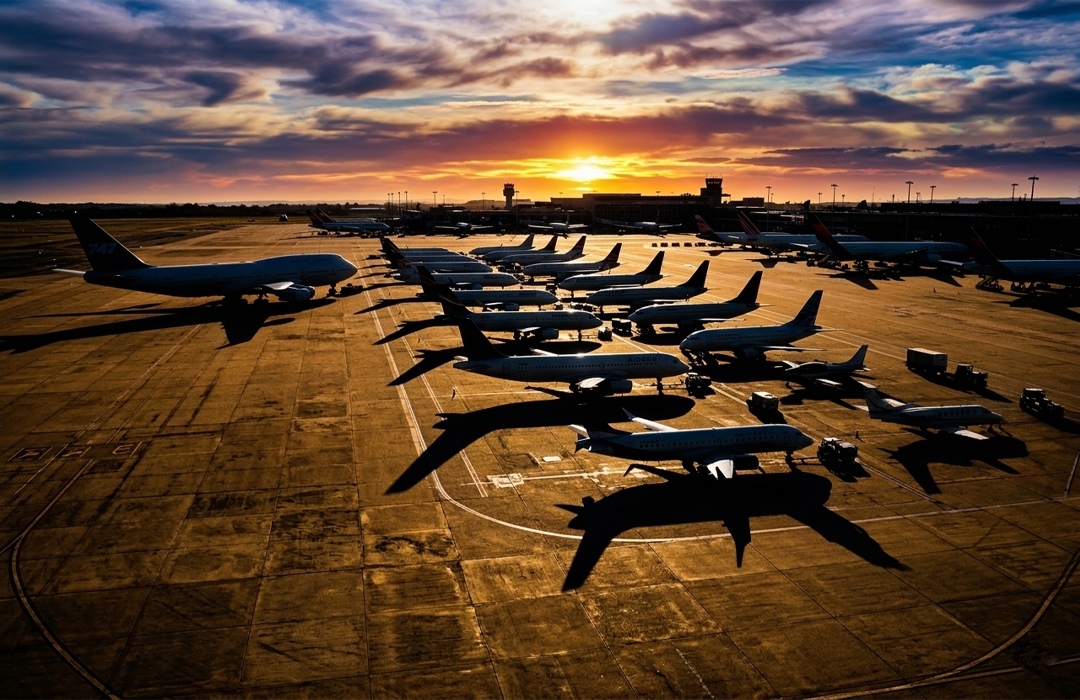
US and European airline shares plunged on Thursday as oil prices spiked and ongoing US-Israeli conflict with Iran closed much of Middle East airspace, forcing governments to scramble evacuation flights for stranded citizens.
Over 19 thousand flights were cancelled across seven major Middle East airports since military offensive against Iran began on February 28, according to Flightradar24 data. Dubai International Airport, world’s busiest travel hub, operates at only 25% of normal capacity despite three-day recovery.
Etihad Airways announced resumption of limited commercial schedule from March 6-19, operating flights between Abu Dhabi and destinations including Cairo, Delhi, London, Frankfurt, New York, Paris, Moscow, Toronto and Zurich. Saudi budget carrier flynas will run exceptional flights between Saudi Arabia and Dubai starting on Friday.
Jet fuel prices soared globally, hitting all-time high in Singapore according to S&P Global Platts. Fuel represents second-largest expense for US airlines after labour costs. Many carriers no longer hedge fuel prices, leaving them vulnerable to sudden spikes.
“We expect March to hit US airlines’ profitability due to the unanticipated jump in fuel prices”, said Nicolas Owens, equity analyst at Morningstar.
US airline shares closed down between 4%-9% percent, including Southwest Airlines, American Airlines, Delta Air Lines, United Airlines and Alaska Air Group. Broader NYSE Arca Airline index fell about 6%.
European carriers also suffered losses. Wizz Air dropped 9% after flagging USD 5 crore 80 lakh profit hit from conflict. Chief Executive Jozsef Varadi said that impact should be limited to current financial year, with carrier shifting capacity toward Europe.
Azerbaijan closed part of airspace near Iran on Thursday after Iranian drones entered territory and one struck terminal building at Nakhchivan International Airport. Crucial Asia-Europe flight corridor remained open.
Dubai Airports CEO Paul Griffiths called past few days ‘unprecedented’ in first public remarks since airstrikes began. Emirates spokesperson confirmed over 100 flights should depart Dubai with passengers and cargo on Thursday and Friday.
Qatar Airways announced limited relief flights from Thursday for stranded passengers, departing from Muscat in Oman to six European destinations including London, Berlin and Rome, plus Riyadh to Frankfurt service.
Governments from US to Canada and across Europe arranged charter flights to repatriate citizens. Over 17 thousand 500 Americans returned to US since February 28.
Fitch Ratings said that most European and Middle Eastern carriers maintain relatively high fuel-hedging levels, with coverage for next three months ranging from about 50% to over 80%.
Source: Reuters