
PM seeks stronger Japanese investment, economic cooperation
প্রকাশ: সোমবার । অক্টোবর ২৬, ২০২৬
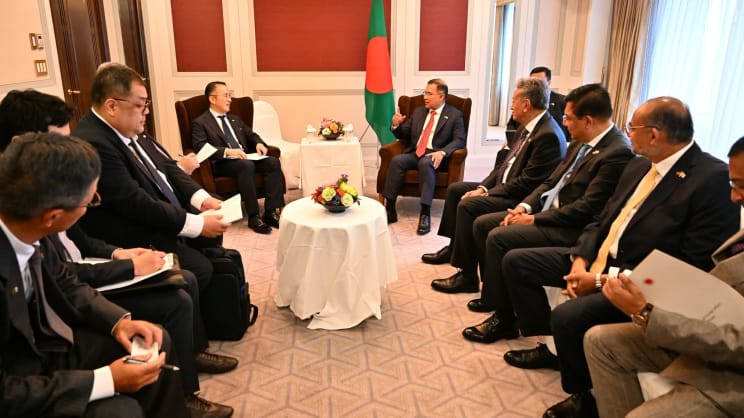
Prime Minister Tarique Rahman has called for greater Japanese investment in Bangladesh, emphasising stronger economic cooperation, technology transfer and private-sector partnerships to accelerate the country's development.
Civil Aviation and Tourism Minister M Rashiduzzaman Millat accompanied the Prime Minister during the engagements.
During a meeting with Masumi Kakinoki, Chairman of Marubeni Corporation and President of the Japan-Bangladesh Committee for Commercial and Economic Cooperation, at Tokyo's Imperial Hotel on October 26, the Prime Minister highlighted investment opportunities in information technology, renewable energy and advanced manufacturing.
He said Bangladesh was pursuing regulatory reforms, simplified investment procedures and public-private partnerships to create a more attractive environment for Japanese investors.
Kakinoki expressed optimism that effective implementation of the Bangladesh–Japan Economic Partnership Agreement (EPA) would expand bilateral trade, encourage investment and generate new business opportunities.
The Prime Minister also sought Japanese cooperation in modernising Karnaphuli Fertilizer Company Limited and exploring the establishment of another fertiliser factory.
In a separate meeting, former Japanese Prime Minister Taro Aso, leading a delegation of the Japan-Bangladesh Parliamentary Friendship League, expressed strong Japanese business interest in Bangladesh, citing its young population and improving political stability.
Rahman sought Aso's support in expanding Japanese investment, technology transfer and skills development.
Civil Aviation and Tourism Minister M Rashiduzzaman Millat accompanied the Prime Minister during the engagements.
The discussions highlighted opportunities for broader economic collaboration, although no specific new aviation or tourism investment commitment was announced.
The Prime Minister's four-day Japan visit is expected to provide fresh momentum to bilateral economic relations, with effective implementation of agreed initiatives remaining crucial to translating diplomatic engagement into tangible investment.