
Romania launches new digital platform to streamline foreign worker recruitment
প্রকাশ: সোমবার । আগস্ট ১৭, ২০২৬
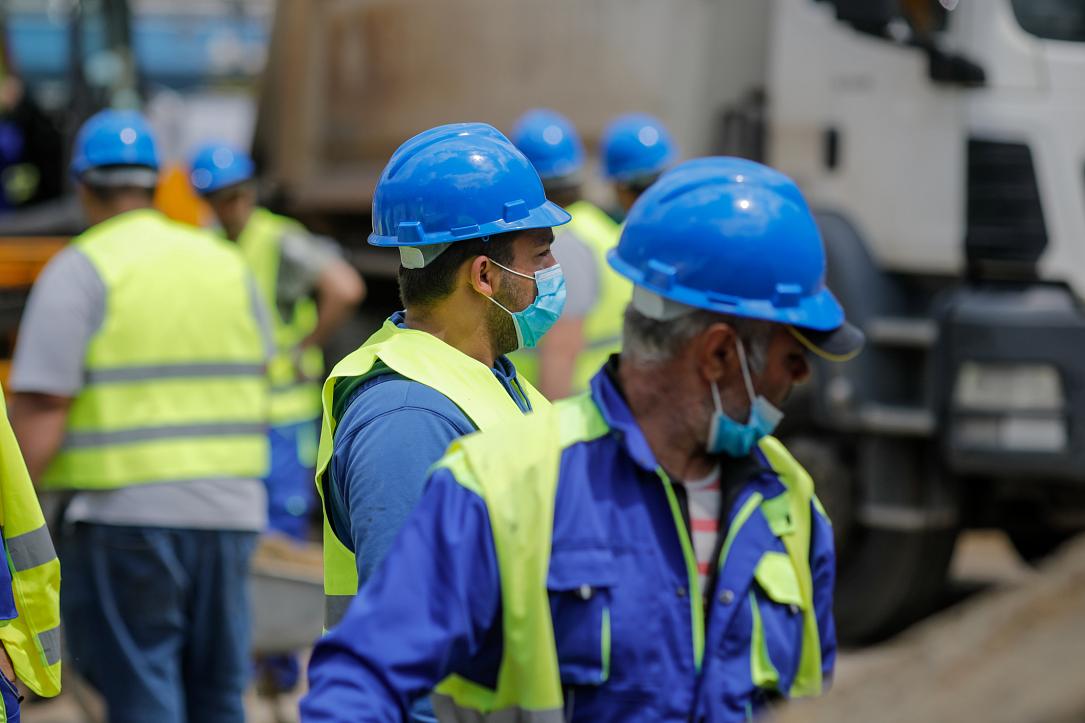
Romania has launched a new electronic platform called "Work in Romania," available at workinromania.gov.ro, aimed at making the recruitment process for non-EU foreign workers more transparent and fully digital.
According to Romania's Ministry of Internal Affairs (MAI), the platform was developed by the ministry's own technology hub and gives employers a single system for managing procedures related to third-country nationals' access to the Romanian labour market. Authorities say the new system will reduce the time needed to process applications and allow real-time tracking of each case file.
The platform was introduced under Emergency Ordinance No. 32/2026, which governs the import of foreign labour into Romania.
In its initial operational phase, the platform allows employers and worker-placement agencies to complete several procedures entirely online: authorizing and renewing licenses for agencies placing foreign workers in the Romanian labour market, submitting supporting documents electronically, sending and receiving official notifications, tracking the real-time status of each application, and receiving administrative communications through a user account.
The platform also allows designation of representatives who can act on behalf of employers or placement agencies, ensuring traceability of operations through qualified electronic signatures.
Under the new rules, two long-stay visa categories now define non-EU labour migration into Romania. The D/AM1 visa covers highly qualified workers and special categories, with no quota or shortage-list restrictions. The D/AM2 visa covers general labour and comes with an annual quota, gated by a newly introduced List of Shortage Occupations—meaning employers cannot bring in workers under D/AM2 for jobs not on that list.
Full implementation of the new framework began August 8, 2026. Under the revised rules, employers hiring D/AM2 workers directly must have at least 50 employees and 24 months of operating history, contracts must be bilingual, and workers are locked to their initial employer for six months before they can change jobs.
According to the platform's own website, the system is designed to let the Romanian government manage foreign workers' access to the labour market in a transparent, secure and digitized way, and to allow workers to safely report situations of abuse or exploitation.
The platform also offers information for employers, placement agencies and foreign workers in multiple languages, including English, covering account creation and verification, licensing conditions, and how to use its electronic services. Users additionally have access to text- and voice-based chat support in Romanian and several other widely spoken languages.
Sources: Capital.ro/workinromania.gov.ro