
Sundarbans reopens to fishermen, tourists after three-month ban
প্রকাশ: মঙ্গলবার । সেপ্টেম্বর ০১, ২০২৬
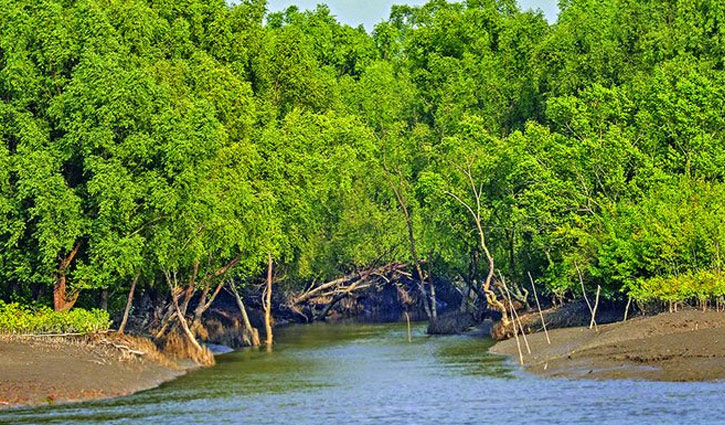
Bangladesh on Tuesday lifted a three-month fishing ban in the Sundarbans, the world's largest mangrove forest, reopening its rivers and canals to fishermen, forest-dependent communities, and tourists ahead of the breeding season's end.
The ban, in place since June 1 to protect fish during their spawning period, had barred fishing and the collection of forest resources across all rivers and canals in the Sundarbans as well as tourist access to all but one ecotourism site.
"From September 1, tourists can enter the Sundarbans. At the same time, forest-dependent people can also enter the forest with passes and permits to collect forest resources," said Rezaul Karim Chowdhury, the Divisional Forest Officer, adding that the seasonal closure ran from June 1 to August 31 this year.
Fishermen along the riverbanks spent the final days of the ban repairing boats left idle for three months, patching wooden decks and applying fresh tar to hulls in preparation for the resumption of fishing.
Popular tourist sites including Kotka, Kochikhali, Harbaria, Hiron Point, Dublar Char, and Nilkamal were reopened alongside the Karamjal eco-tourism centre, which had remained open throughout the closure.
Day-trippers commonly access the Sundarbans via Karamjal and Harbaria, both near the port town of Mongla. Visitors can also reach the forest from Khulna, travelling by road or river to Kalabogi before continuing by trawler to Shekhertek, or via Satkhira to Kolagachia or Dubeki — though the latter three require special permission from the forest department.
Azad Kabir Haoladar, officer-in-charge of the Karamjal Wildlife Breeding Centre, said the forest department had carried out infrastructure upgrades during the closure, including a roughly one-kilometre footbridge trail, a hanging bridge, a reinforced-concrete bridge and a new visitor information centre at Karamjal.
"We expect visitor numbers to rise at the Sundarbans' tourism sites after three months of closure," he said, adding that the forest department had made the necessary arrangements to ensure visitors' safety.
The Sundarbans, a UNESCO World Heritage Site straddling the border of Bangladesh and India, is best known as the habitat of the Bengal tiger. The forest, most of which lies in Bangladesh's Khulna, Satkhira, and Bagerhat districts, is also home to deer, crocodiles, and monkeys and serves as a natural barrier protecting the coastal region from cyclones and storm surges.
The Bangladesh Forest Department imposes the seasonal ban annually, typically from June through August, to allow fish and other aquatic species to breed undisturbed. — BSS