
THAI forced to increase ticket prices
প্রকাশ: সোমবার । মার্চ ২৩, ২০২৬
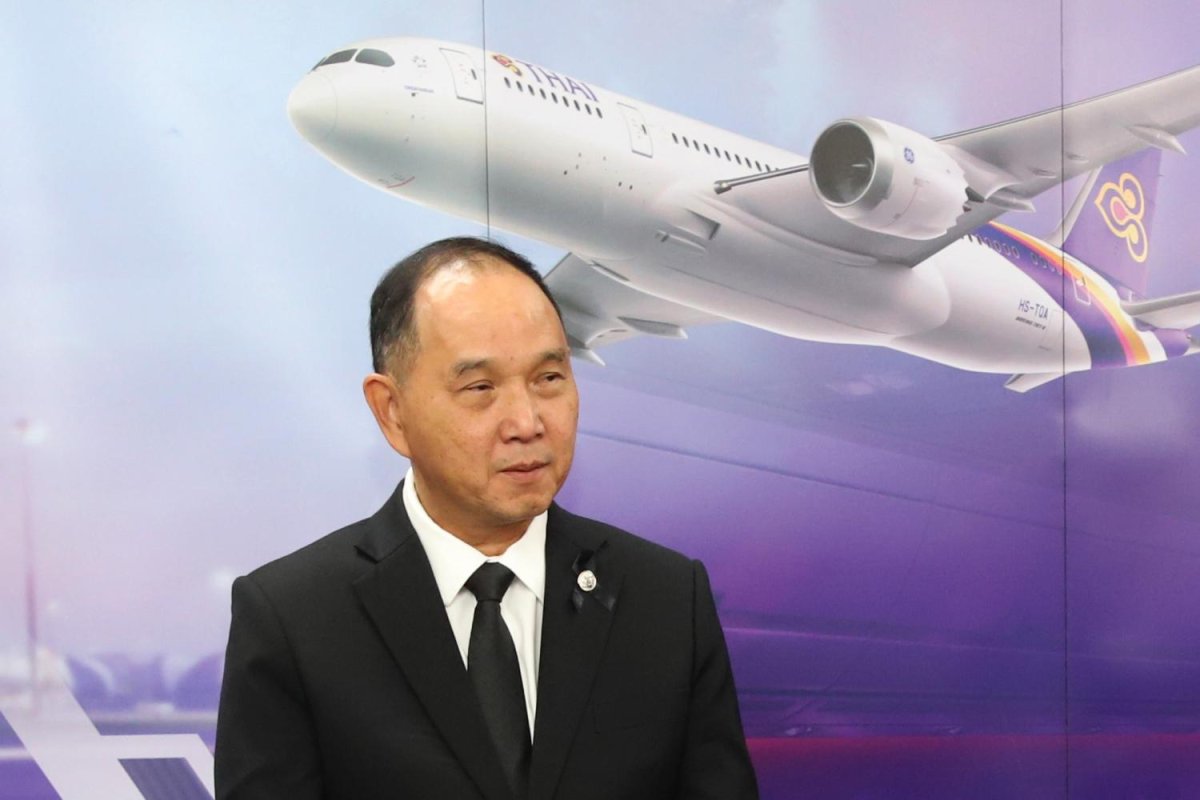
The war in the Middle East has driven up operating cost for Thai Airways International (THAI), with jet fuel prices rising by more than twofold, forcing the national carrier to increase average ticket prices by 10-15% to stay afloat.
Chai Eamsiri, THAI chief executive, said jet fuel prices had surged from around US$80 per barrel before the conflict to US$220 and could climb further to US$240 under a worst-case scenario if the war drags on for another two months through the end of May.
"The rise reflects real costs, not opportunism," he said. "We only aim to cover fuel expenses to ensure survival. Without raising fares, the organisation cannot continue."
Although the airline has hedged around 50% of its fuel consumption until June, Chai said increasing hedging at current levels would be risky because prices have already reset higher, exposing the company to potential losses if fuel prices later retreat.
The surge in costs is also affecting demand. Advance bookings for the Songkran holiday in the middle of next month have weakened compared with last year, particularly among long-haul passengers travelling to Europe and Australia.
While there have been no mass cancellations, many passengers are delaying travel decisions and waiting for the situation to become clearer, he said. The airline has implemented dynamic pricing by limiting low-fare ticket availability and lifting average fares in line with market conditions to help manage the impact.
It is also preparing to seek approval from the Civil Aviation Authority of Thailand to introduce higher fuel surcharges. If approved, the airline may reduce base fares to balance the overall increase within the 10-15% range, he said.
Chai said contingency plans are being prepared should the crisis extend further. Non-essential investments, including certain equipment procurement and replacement projects, may be deferred to preserve cash flow. "Anything that can be reduced, delayed, or cancelled will be acted on immediately," he said.
However, core strategic plans remain unchanged. The airline will proceed with new routes to Amsterdam and China, as well as aircraft deliveries, he said. Investment in its maintenance, repair, and overhaul (MRO) centre will also continue as planned.
Chai said he hoped the crisis would not reach the severity of the Covid-19 pandemic, citing geopolitical factors, including the upcoming United States midterm election in November, as potential drivers for de-escalation.
On government assistance, Chai emphasised the need for self-reliance. "In a crisis, the most important thing is to help ourselves," he said.
Source: Bangkok Post