
Two-week Gulf turmoil batters Dhaka aviation, 447 flights cancelled
প্রকাশ: শুক্রবার । মার্চ ১৩, ২০২৬
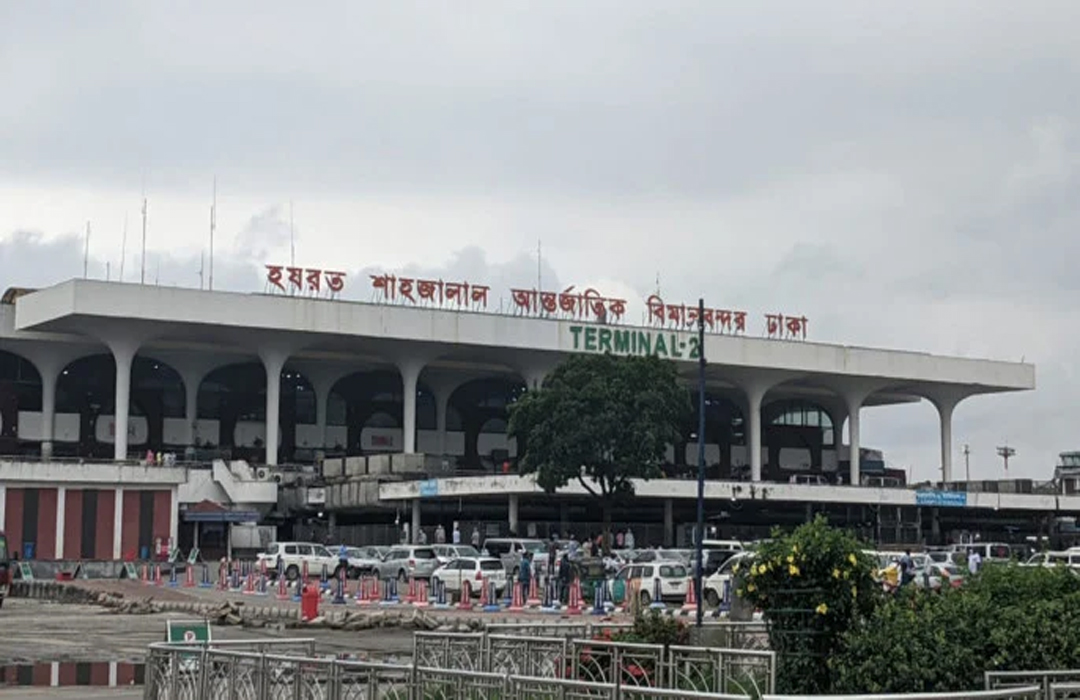
As Gulf turmoil completes its second week, 447 flights have been cancelled from Hazrat Shahjalal International Airport since February 28 after seven countries closed their airspace.
This was stated in a press release issued by Dhaka airport flight management, through Civil Aviation Authority of Bangladesh (CAAB) public relations officer Muhammad Kawsar Mahmud.
Iran, Iraq, Kuwait, United Arab Emirates, Bahrain, Qatar and Jordan shut airspace due to regional security situation, grounding operations of multiple airlines serving Dhaka. Cancellations continue affecting thousands of passengers bound for Gulf destinations.
On February 28, 23 flights were cancelled as crisis began. Cancellations peaked on March 2 with 46 flights grounded. Daily cancellations have ranged between 24-46 flights over past two weeks.
Breakdown shows 40 flights cancelled on March 1, 39 on March 3, 28 on March 4, 36 on March 5, 34 on March 6, 28 on both March 7-8, 33 on March 9, 32 on March 10, 27 on March 11 and 28 on March 12.
On Friday alone, 24 flights were cancelled affecting seven airlines. Kuwait Airways grounded 4 flights, Air Arabia operating from Sharjah cancelled 2, Gulf Air from Bahrain scrapped 2, Qatar Airways suspended 4, Emirates Airlines cancelled 4, Jazeera Airways halted 4 and Flydubai grounded 4 flights.
Crisis particularly impacts Bangladeshi migrant workers and business travellers who rely heavily on Gulf routes. Major Gulf carriers including Emirates, Qatar Airways and Kuwait Airways operate multiple daily flights connecting Dhaka to Middle East destinations.
Airlines have not announced timeline for resuming normal operations, leaving passengers stranded and uncertain about travel plans. Aviation authorities monitoring situation closely as airspace restrictions continue affecting regional connectivity.