
US court strikes down visa suspension for 75 nations, including Bangladesh
প্রকাশ: শনিবার । আগস্ট ২২, ২০২৬
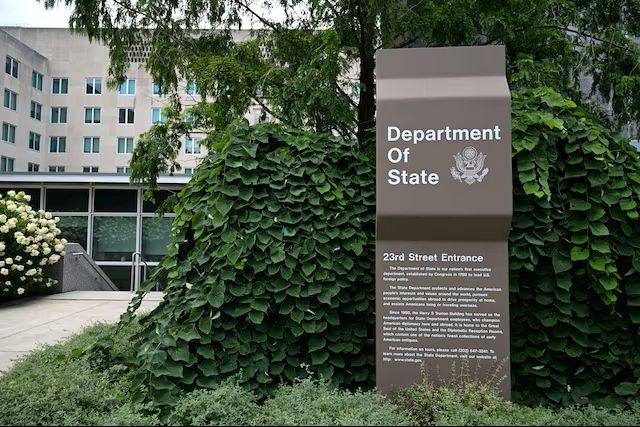
A U.S. judge on Friday struck down a Trump administration policy suspending the issuance of immigrant visas to applicants from 75 countries, saying that the policy exceeded Secretary of State Marco Rubio's statutory authority, according to Reuters.
U.S. District Judge Jeannette Vargas in Manhattan said the policy that the State Department announced in January was "patently unlawful" and ran afoul of federal immigration law, which explicitly stripped the secretary of state of authority over consular officers' processing of immigrant visas.
"The Policy, which categorically prohibits the issuance of immigrant visas based upon the nationality of the applicant, represents a direct abrogation of this statutory scheme," she wrote.
The State Department's suspension that also took effect in January impacted applicants from Latin American countries, including Brazil, Colombia, and Uruguay; Balkan nations such as Bosnia and Albania; South Asian countries Pakistan and Bangladesh; and those from many nations in Africa, the Middle East, and the Caribbean.
The State Department said applicants from those countries were "at a high risk for becoming a public charge and recourse to local, state, and federal government resources in the United States." The department did not immediately respond to a request for comment on the ruling.
Vargas, an appointee of Democratic former President Joe Biden, issued the ruling in a lawsuit filed by immigrant rights groups Catholic Legal Immigration Network and African Communities Together along with applicants for immigrant visas and U.S. citizens who are sponsoring family members from the designated countries for immigrant visas.
President Donald Trump has pursued an aggressive immigration crackdown that he says is aimed at improving domestic security.
Rights groups say the crackdown has violated free speech and due process rights and has created an unsafe environment, particularly for ethnic minorities, who have raised concerns about racial profiling.
Sources: Reuters