
US plans to scrutinize foreign tourists’ social media history
প্রকাশ: বৃহস্পতিবার । ডিসেম্বর ১১, ২০২৫
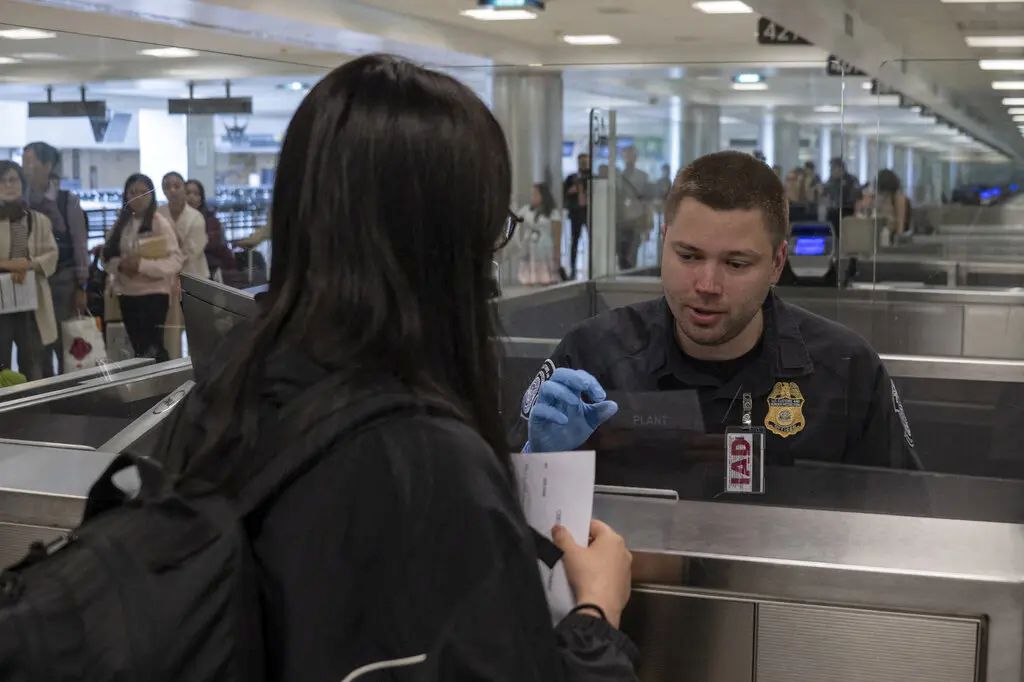
Travelers visiting the United States from countries like Britain, France, Germany, and South Korea could soon have to undergo a review of up to five years of their social media history, according to a proposal filed on Tuesday by US Customs and Border Protection (CBP).
The adjustment would impact travelers qualifying for the visa waiver program, which permits individuals from 42 nations to visit the United States for a maximum of 90 days without a visa, provided they initially secure electronic travel authorization, according to a recent report by the New York Times.
In a document filed on Tuesday in the Federal Register, CBP said it plans to require applicants to provide a long list of personal data, including social media, email addresses from the last decade, and the names, birth dates, places of residence, and birthplaces of parents, spouses, siblings, and children.
Under the current system, applicants from visa waiver countries must enroll in the Electronic System for Travel Authorization program. They pay $40 and submit an email address, home address, phone number, and emergency contact information. The authorization is valid for two years.
Listing your social media has been optional on the application since 2016, Xiao Wang, co-founder and chief executive of Boundless, a visa- and immigration-assistance company, said in a statement.
This move from CBP follows similar actions by the U.S. government to conduct social media reviews for some visa applicants, including seekers of the H-1B visas awarded to skilled foreign workers, as well as applicants for student and scholar visas. It also follows the government’s pending plans to collect a new $250 visa integrity fee from many visitors, though visitors from visa waiver countries are exempt from that fee.
The travel industry has pushed back on the visa integrity fee. In November, a coalition of more than 20 tourism and travel businesses signed a letter of opposition, citing concerns that the fee would discourage millions of prospective international visitors to the United States, including those traveling to events like next year’s World Cup.
In the notice, CBP said it would accept 60 days of public comments on the proposal.
A CBP spokesperson emphasized in a statement on 03rd December that the proposal was not yet a final rule. It is the “first step in starting a discussion to have new policy options to keep the American people safe,” the spokesperson added.
If the plan is approved, CBP could enact the changes gradually over the following weeks and months, the immigration law firm Fragomen said in an alert.
Bo Cooper, a partner at Fragomen, called the government’s new approach to social media screening a “paradigm shift” from when agencies used social media to verify specific facts, such as criminal activity.
Source: The New York Times