
What are aircraft risks during earthquakes?
প্রকাশ: শুক্রবার । নভেম্বর ২১, ২০২৫
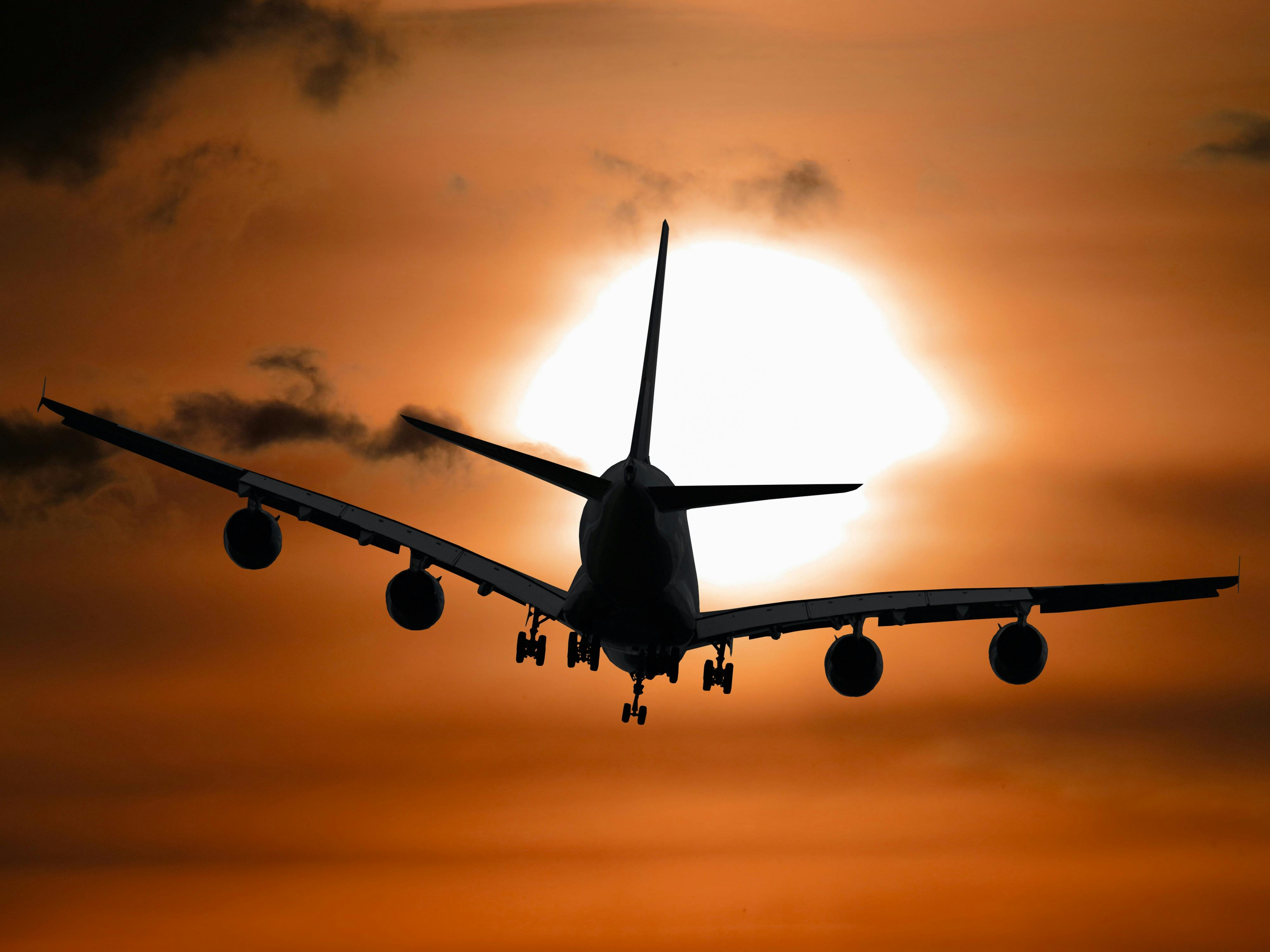
Earthquakes don’t just shake the ground, they can seriously damage or destroy aircraft that are parked, taxiing, or being maintained. Below are the main problems that happen, ranked by how commonly they occur, with documented cases.
|
Problem |
What Actually Happens |
Real Examples & References |
|
|
1 |
Aircraft
tipping over or falling off jacks |
Strong
lateral shaking lifts one wing and tips the plane onto its tail, wingtip, or
nose. |
27
Feb 2010 Chile earthquake (8.8 Mw): At Santiago Airport, a brand-new LAN
Airbus A320 tipped onto its tail while parked. |
|
2011 Christchurch earthquake:
Several light aircraft flipped upside-down at Christchurch Airport. |
|||
|
2 |
Collision
between parked aircraft |
Planes
slide or roll into each other because parking brakes are not designed for
seismic forces. |
11
March 2011 Tōhoku earthquake (Japan): At Sendai Airport, several Japan
Self-Defense Force helicopters and light planes collided and were severely
damaged even before the tsunami arrived. |
|
3 |
Structural damage from falling
objects inside hangars |
Tools, cranes, shelves, ceiling
panels collapse onto aircraft. |
1994 Northridge earthquake (Los
Angeles): Many private jets and helicopters inside Van Nuys Airport hangars
were crushed by collapsed roofs and falling maintenance platforms. |
|
4 |
Landing-gear
collapse or shock-strut failure |
Sudden
vertical or lateral acceleration exceeds the design limits of the landing
gear. |
2016
Kaikōura earthquake (New Zealand): A RNZAF NH90 helicopter’s landing gear partially
collapsed while on the ground at Kaikōura airfield. |
|
5 |
Fuel and hydraulic leaks / fires |
Fuel lines, hydraulic hoses, or
tanks rupture; sparks from broken electrical lines can ignite leaks. |
1995 Kobe earthquake: Several
JASDF helicopters at a base caught fire after fuel leaks ignited. |
|
6 |
Damage
to aircraft on jacks or in maintenance |
Planes
being serviced are especially vulnerable because they are raised and
unbalanced. |
2010
Chile earthquake: Two Boeing 737s under heavy maintenance in Santiago fell
off their jacks and suffered major fuselage wrinkles. |
|
7 |
Runway and taxiway cracks →
aircraft stuck or damaged wheels |
Aircraft can get stuck in new
fissures or break wheels/tyres. |
2001 Gujarat earthquake (India):
Indian Air Force planes at Bhuj airfield had tyres burst and rims bent
because of runway cracks. |
Key
Takeaway for Airports and Air Forces
-Parked aircraft with full fuel (heavy) are more
stable than light/empty ones.
-Never leave aircraft on jacks during a seismic zone’s
active period.
-Modern tiedown points and wheel chocks help, but they
are often insufficient above magnitude 7.0.
-Hangars are frequently more dangerous than open tarmac
because of collapsing roofs.
In short, earthquakes are one of the few natural disasters that can destroy perfectly airworthy aircraft while they are simply sitting on the ground.
Scientific & Official References
-EERI (Earthquake Engineering Research Institute) –
Special Report on 2010 Chile earthquake (photos of tipped A320).
-Japanese Government Damage Report, 2011 Tōhoku
earthquake – Section on Sendai Airport aircraft collisions.
-FEMA P-751 – Earthquake Design Guidelines for Hangars
(explains why aircraft on jacks are the most vulnerable).
-New Zealand Defence Force After-Action Report, 2016
Kaikōura earthquake (NH90 landing-gear incident).
-ASCE Journal paper: “Performance of Airport Facilities
in Recent Earthquakes” (2014) – comprehensive list of aircraft damage
cases.