
Why are airlines refurbishing B777-300ERs instead of buying new?
প্রকাশ: বুধবার । মার্চ ২৫, ২০২৬
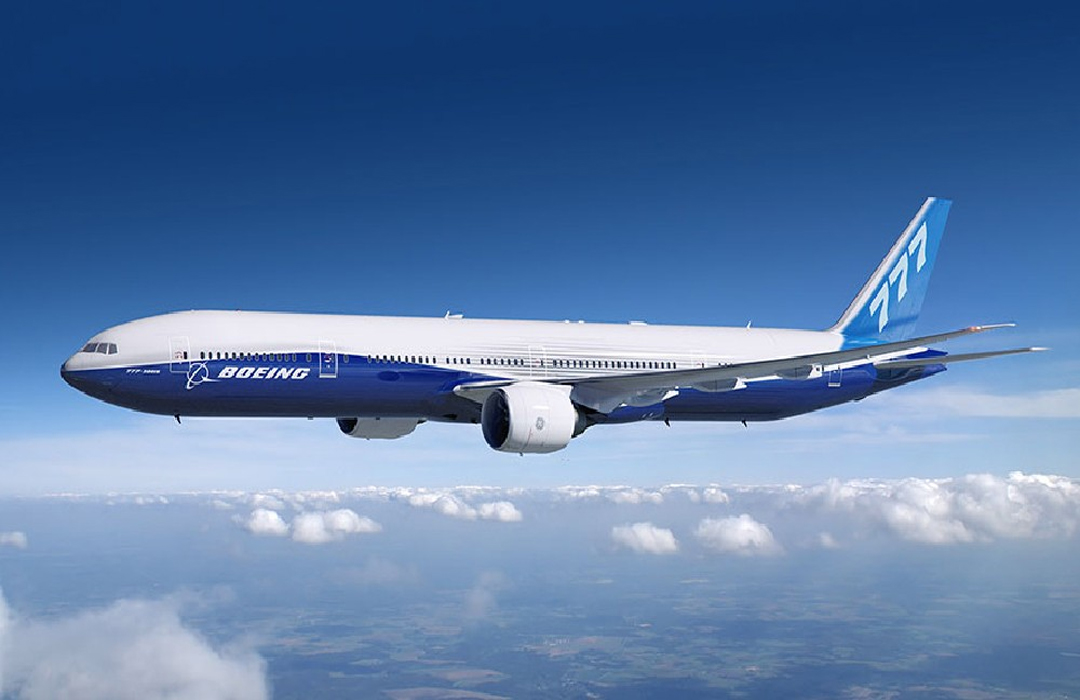
Airlines worldwide are choosing to refurbish Boeing 777-300ER cabins rather than replace aircraft entirely, according to Viviana Tarnowska, Account Executive at Air Partner, a UK-based global aviation services group.
Writing for Simple Flying, Tarnowska explained that refurbishment offers significantly more cost-effective solution while improving efficiency of managing aircraft lifecycle. Strategy costs up to USD 30 million compared to USD 44 crore (TK 5,388 crore 27 lakh 52 thousand) for new aircraft purchases.
Refurbishment takes approximately 8 to 10 weeks versus 7-plus years typically required for new aircraft delivery amid order backlogs. With 777X programme delayed well into second half of this decade, upgrading existing aircraft allows airlines to bridge gap efficiently.
Cirium data from April 2025 shows 14 percent of widebody flights were operated by 777-300ER, with 757 aircraft in service. Ongoing industry challenges including airspace restrictions make reliance on this aircraft type likely to remain strong.
Alternative aircraft present compromises for airlines. Boeing 787-9 offers only 280 to 296 seats compared to 777-300ER’s 350 to 400 capacity. Meanwhile, 787-10 sacrifices range at 6,330 nautical miles versus 7,370 nautical miles alongside reduced cargo capacity.
Tarnowska noted that cabin refurbishment represents strategic lifecycle management approach. Redesign activities typically occur every 5 years for international cabins and 7 years for domestic aircraft, according to Duncan Aviation. Airlines coordinate refurbishment with major maintenance events such as D-checks occurring approximately every 5 to 6 years.
Fuel efficiency drives substantial economic benefits. With fuel accounting for approximately 35 percent of airline annual costs, even marginal weight savings translate into significant operational gains. Economy seats now available are up to 40% lighter than traditional designs.
Lightweight trolley systems cut more than one thousand pounds from aircraft, potentially saving around USD 10 lakh (TK 1 crore 22 lakh 46 thousand 80) in fuel per aircraft annually. Stain-resistant fabrics reduce cleaning requirements by up to 80%, lowering maintenance costs and chemical usage.
Airlines adopt different refurbishment strategies to optimize revenue. American Airlines removed First Class entirely from 777-300ER, increasing total capacity from 304 to 330 seats. Business Class expanded from 52 to 70 seats while Premium Economy grew from 28 to 44 seats.
Thai Airways plans retrofit programme beginning in 2027, replacing First Class with Business Plus product. Air France maintains four-class configuration while expanding Business Class from 58 to 60 seats and Premium Economy from 28 to 44 seats, raising total capacity from 296 to 312.
Tarnowska emphasized that strategy supports aviation industry commitments to achieving net-zero emissions by 2050 while delivering economic and operational advantages. Passenger experience remains primary competitive factor, making cabin environment crucial for market relevance.
Source: Simple Flying