
Why JetBlue sells only 23 of its 24 Mint suites
প্রকাশ: সোমবার । নভেম্বর ০২, ২০২৬
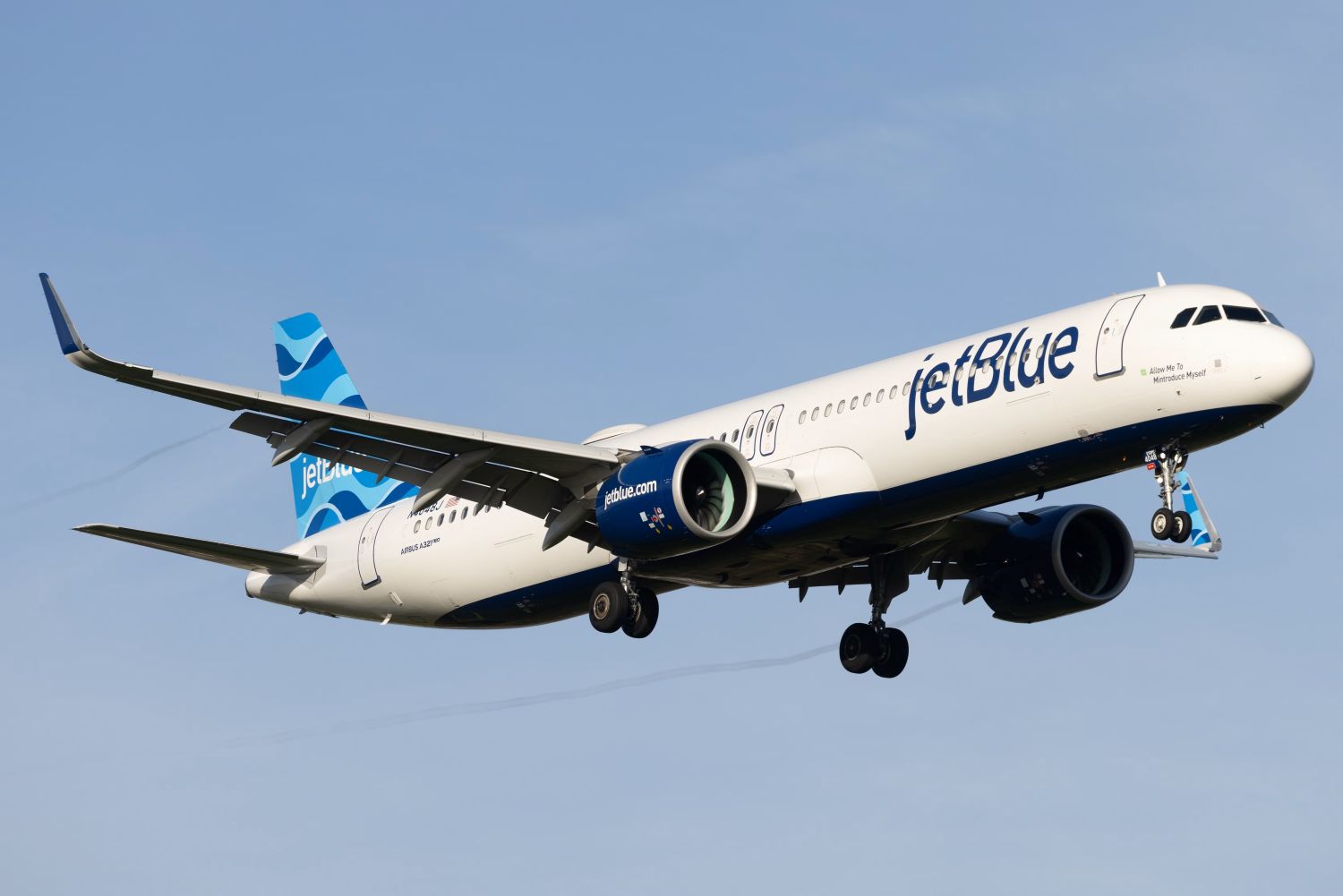
JetBlue Airways’ Airbus A321LR has 24 seats in its Mint business-class cabin, but passengers can generally book only 23 of them on transatlantic flights, Simple Flying reported.
The missing seat is suite 12A, which is reserved for a relief pilot to rest during the journey. The report said it is not a booking-system error but part of the arrangement that lets JetBlue operate long-haul routes with an augmented flight crew while meeting fatigue-management requirements.
According to the report, the A321LR’s Mint cabin has a one-one layout across rows one to 12, with individual suites with doors and two larger Mint Studios at the front. The aircraft also has 114 economy seats.
The report said suite 12A is a Class 2 rest facility, meaning a cabin seat that allows a flat or near-flat sleeping position and is separated from other passengers by at least a curtain that provides darkness and some sound reduction. JetBlue also reserves seats in the last row of the economy cabin for flight attendants, it said, citing earlier reporting by The Points Guy.
Under 14 CFR Part 117, US federal rules define three classes of onboard rest facility for augmented flight crews. Class 1 is a bunk or flat sleeping surface in a separate space away from both the cockpit and the passenger cabin. Class 2 is a cabin seat with a flat or near-flat position, separated by a curtain. Class 3 is a seat in the cabin or flight deck that reclines at least 40 degrees with leg and foot support.
The report said the class of facility available affects the maximum flight duty period allowed, and that airlines must have the facility approved by the Federal Aviation Administration (FAA) before using it for qualifying operations. It cited FAA Advisory Circular 117-1, which sets out criteria for such facilities.
The practice is not limited to JetBlue. The report said United Airlines uses four enhanced-recline economy seats on some Boeing 767 configurations as flight-attendant rest seats on long-haul flights. These seats are blocked from passenger selection when needed for crew rest and may be released for sale on shorter or domestic flights that do not require them, it said.
The report added that airline policies and labour agreements can set higher standards than FAA minimums. It said United’s flight-attendant contract, for example, specifies recline, leg-rest and curtain requirements for certain 767 crew-rest seats.
Simple Flying said the case shows that the commercially available cabin is not always the same as the installed one, as airlines weigh passenger capacity against the resources needed to operate longer flights as narrow-body jets take on more transatlantic routes.
Source: Simple Flying