
Xeneta: Air cargo growth to slow, rates to fall in 2027
প্রকাশ: মঙ্গলবার । নভেম্বর ২৪, ২০২৬
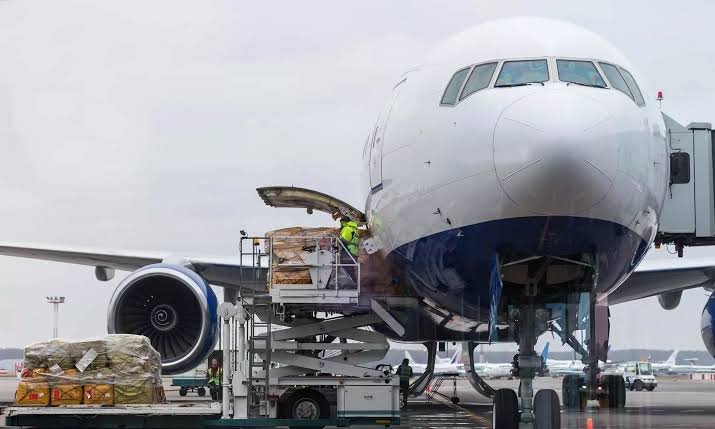
Air cargo demand growth is expected to ease next year, and rates are expected to fall as the factors that lifted demand in 2026 fade, freight data provider Xeneta said, according to Air Cargo News.
Xeneta expects demand to grow by around 2 to 4 percent in 2027, down from the 5 percent recorded so far this year, the report said. Niall van de Wouw, Xeneta's chief airfreight officer, said this year's growth had been driven by AI hardware, manufacturers building inventory against ongoing conflicts, and ocean disruption that pushed cargo from sea to air. "Those boosts are likely to soften in 2027," he said, adding that growth should be close to the pace of GDP.
Van de Wouw said growth is also concentrated. He said the International Monetary Fund expects it to come from fewer economies, with AI-hardware and energy exporters gaining while energy importers such as Europe lag, and that air cargo will be just as uneven.
Xeneta said AI will remain a growth engine for air cargo but has "passed peak acceleration," with month-on-month chip sales growth easing to about 7 percent from a peak of about 11 percent in March to June. It said e-commerce is going through a reset, with China's low-value exports heading for their first annual fall since 2018 after Europe introduced a €3 duty per item.
Ocean supply chains are continuing to return to normal, Xeneta said, with half of pre-crisis Red Sea capacity now back after ships diverted around southern Africa because of the threat of Houthi missile attacks. If the return through Suez continues, Asia-Europe cargo that moved to air for reliability, not speed, will start to shift back to sea from the second quarter. It warned that a renewed Houthi threat would delay that for a third year.
The firm expects overall airfreight rates to fall by about 5 to 10 percent next year as supply outstrips demand, with most of the fall in the second half as Gulf capacity returns and fuel prices ease. It described this as "more of a rate slide than a slump". Xeneta expects capacity to rise by 3 to 5 percent, though much of that is expected to come from the easing of the Middle East conflict and not from new aircraft.
Xeneta said Boeing's 777 freighter line has been halted by a supplier dispute; the 777-8F is now at least a 2029 aircraft, and the Airbus A350 freighter will not enter service before the end of 2027. It expects fleet growth of just over 3 percent, so anything above that will have to come from the Gulf. Where capacity lands in its range depends on whether a peace deal is reached early in the year and holds, it said.
Trade lanes will differ, Xeneta said. Asia Pacific to North America is likely to keep more of its premium because AI cargo is now part of the price of space, while shippers in Asia-Europe have more room to negotiate with forwarders than a year ago.
Xeneta said its forecast assumes no new shocks but added that recent history gives little reason for comfort. It listed military conflicts, weather anomalies, and cyberattacks as risks. If the Middle East fails to recover, supply and demand grow in step, fuel stays high, and rates hold close to 2026 levels, it said.