POLICY MOMENTUM
Bangladesh charts new tourism roadmap
National Tourism Policy, 64-district mapping and Tourism Satellite Account anchor new development drive
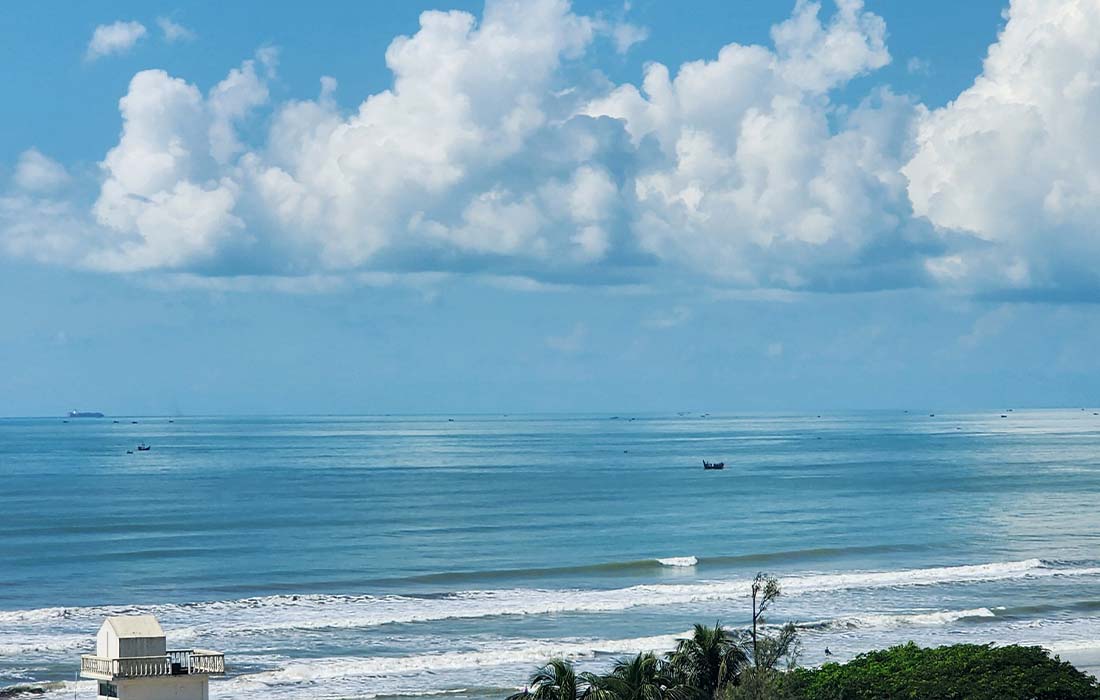
Bangladesh is laying the groundwork for a new tourism roadmap combining the National Tourism Policy 2026, identification of potential destinations across all 64 districts and a Tourism Satellite Account (TSA), signalling a shift towards coordinated, data-driven and geographically inclusive development.
The initiatives, unveiled at separate tourism events in Dhaka, also include an eco-tourism policy, greater private-sector participation and stronger inter-ministerial coordination as the government pursues its ambition of transforming Bangladesh into a competitive tourism hub.
New national policy
State Minister for Civil Aviation and Tourism M Rashiduzzaman Millat said the government is formulating the National Tourism Policy 2026 with an emphasis on practical destination development.
“We are formulating the National Tourism Policy 2026. We will take realistic decisions for the development of tourism destinations and implement them,” he told a Bangladesh Tourism Board seminar on backwater tourism on August 13.
Millat said MoUs with several ministries are being considered to address coordination gaps, while investment-friendly policies would encourage greater private-sector participation.
The government also plans to strengthen the Bangladesh Tourism Board and Tourist Police and seek meetings of the National Tourism Council every six months.
Millat expressed optimism that tourism's contribution to GDP could reach 10% in the foreseeable future.
Tourism goes nationwide
At another seminar, Civil Aviation and Tourism Minister Afroza Khanam Rita unveiled plans to identify potential tourism sites across all 64 districts, taking development beyond established destinations.
“We want to move forward with identifying potential tourism sites in all 64 districts and establishing Bangladesh as an international-standard tourism destination,” she said.
Tourism development is also being explored around villages under the “SDG Village” initiative, including Mitingachhari in Rangamati, Pankhali in Khulna and Nafanagar in Dinajpur.
The approach could create opportunities in community-based accommodation, local cuisine, handicrafts, guiding and transport, spreading tourism benefits into rural economies.
Afroza said transforming Bangladesh into a tourism hub is an electoral commitment, but achieving it would require close public-private collaboration.
Data to drive decisions
Alongside policy and destination development, the government has begun preparing a Tourism Satellite Account to establish reliable data on tourism's economic footprint.
Civil Aviation and Tourism Secretary Fahmida Akhter said the TSA would address a longstanding information deficit and provide a stronger statistical foundation for policy and investment decisions.
The government is also preparing an eco-tourism policy and has included a Tanguar Haor development project in this year's Annual Development Programme.
Officials also see considerable potential in backwater tourism across riverine Bangladesh, with Bangladesh Parjatan Corporation Chairman Md Samimuzzaman stressing local community participation to generate employment and improve visitor safety.
Together, the initiatives represent an attempt to replace fragmented development with a coherent national approach. The key challenge will be implementation — turning policies, data and identified destinations into sustainable tourism products, investment, infrastructure and jobs capable of strengthening Bangladesh's position on the regional and global tourism map.

Make Comment
Login to CommentPopular News




Subscribe to News Letter
Latest News