Bangladeshis Second on Malaysia’s List of Travellers Denied Entry
Malaysia’s immigration chief reveals nearly 140 foreigners are refused entry every day, with more than 400,000 citizens barred from leaving
 Desk Report
| Published: Monday, November 23, 2026
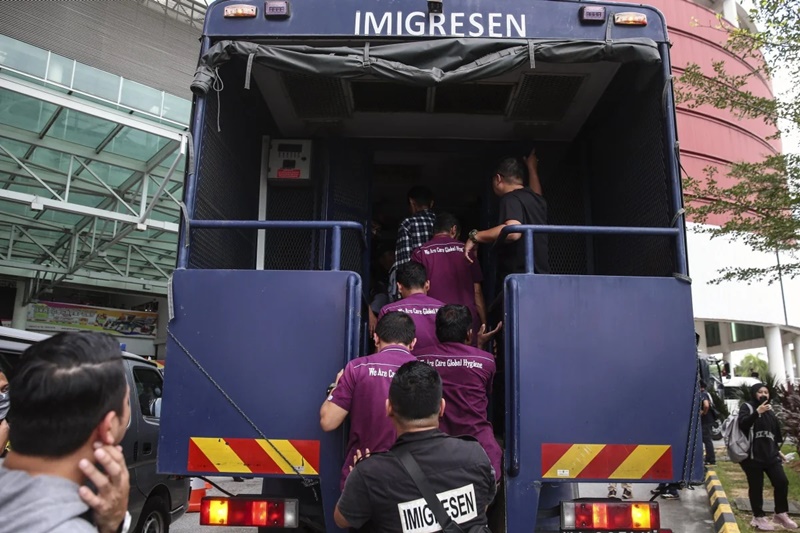
collected
Indonesian, Bangladeshi and Indian nationals have received the most “not-to-land” (NTL) notices in Malaysia over the past three years, according to the country’s immigration chief. Indonesian nationals accounted for 34,650 notices, Bangladeshis for 27,504 and Indians for 22,350 between January 2024 and last month, he told local media.
An NTL notice is issued when a traveller is refused entry at a border or airport in Malaysia and told to return to their last point of embarkation. In the first 10 months of this year, 41,656 foreigners received one, or nearly 140 a day on average.
That was compared with 49,522 in the whole of last year and 34,528 in 2024.
Zakaria Shaaban, the Immigration Department’s director general, said in an interview that border screening was strictly enforced at all designated entry points, with travellers refused entry if they failed to meet the requirements.
“Among the primary grounds and common reasons for denial of entry under Section 8(3) of the Immigration Act are the inability to demonstrate sufficient financial means to support their stay, having questionable or unverified visit purposes or being flagged on security or blacklist databases,” he said.
Other grounds for refusal include having no valid passport or no valid or appropriate visa.
The immigration department also keeps records of foreigners barred from entry because of immigration offences, security concerns, enforcement actions or directives from other authorities.
Zakaria said such restrictions could result from a person overstaying their visa, being illegally employed, engaging in criminal activity or other violations, adding that the bans might be temporary or indefinite and the duration was set on a case-by-case basis.
To avoid an NTL notice, he said travellers needed to have: a passport valid for at least six months; a confirmed return or onward ticket; and proof of sufficient funds and of accommodation for the length of their stay.
All foreigners, unless exempt, must also complete the Malaysia Digital Arrival Card online within three days before arrival, he added.
Asked about wanted criminals, Zakaria said Malaysia shared information on internationally wanted people with Interpol through “Red Notices”, with those identified at entry and exit points facing action, including arrest or deportation, under Malaysian law.
Meanwhile, Zakaria also revealed that 404,848 Malaysians had been placed under overseas travel restrictions since 2024, barring them from leaving the country.
The restrictions stem from issues including unpaid income tax, unresolved customs matters, outstanding Employees Provident Fund obligations, court orders, bankruptcy cases and unpaid government-backed student loans.
The Immigration Department acted on notifications from the Inland Revenue Board, the Department of Insolvency and other agencies and did not collect debts itself, Zakaria said.
“If a Malaysian is prevented from leaving the country due to outstanding liabilities or other restrictions, the person must resolve the matter directly with the agency that imposed the restriction,” he said, adding that the Immigration Department would update a person’s status only once instructed to do so by the relevant agency.
Anyone found to be subject to an active arrest warrant or wanted-person notice would be referred to the relevant enforcement agency, Zakaria added.
He advised Malaysians wanting to check their status before travelling to visit the government’s Immigration Travel Status Check website.

Make Comment
Login to CommentPopular News




Subscribe to News Letter
Latest News