Terminal Momentum
Dhaka, Tokyo advance third terminal opening preparations
Summit prioritises early operations at Bangladesh’s aviation gateway under an expanded economic partnership.
 Desk Report
| Published: Tuesday, October 27, 2026
-Collected
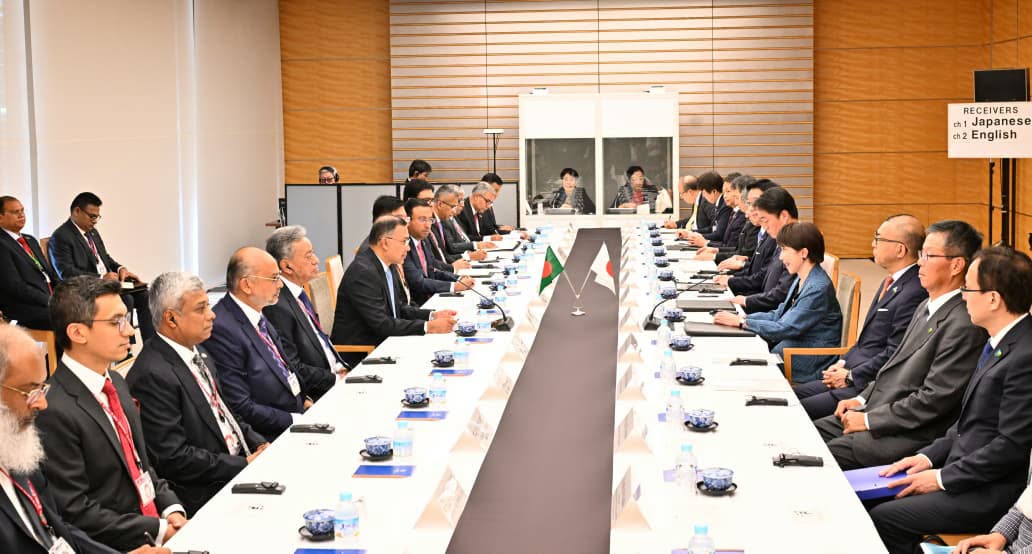
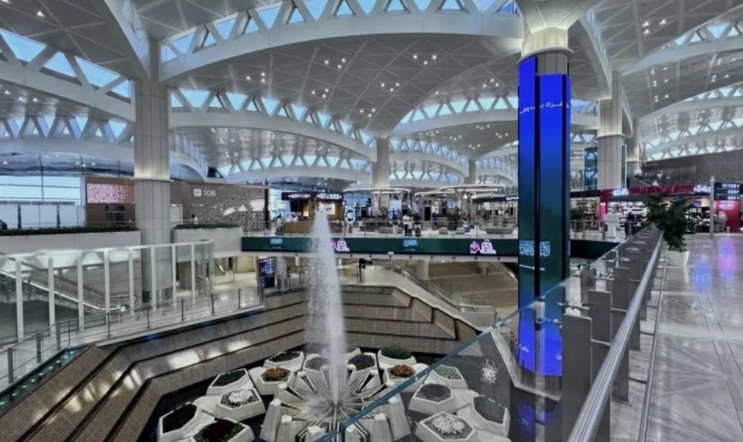
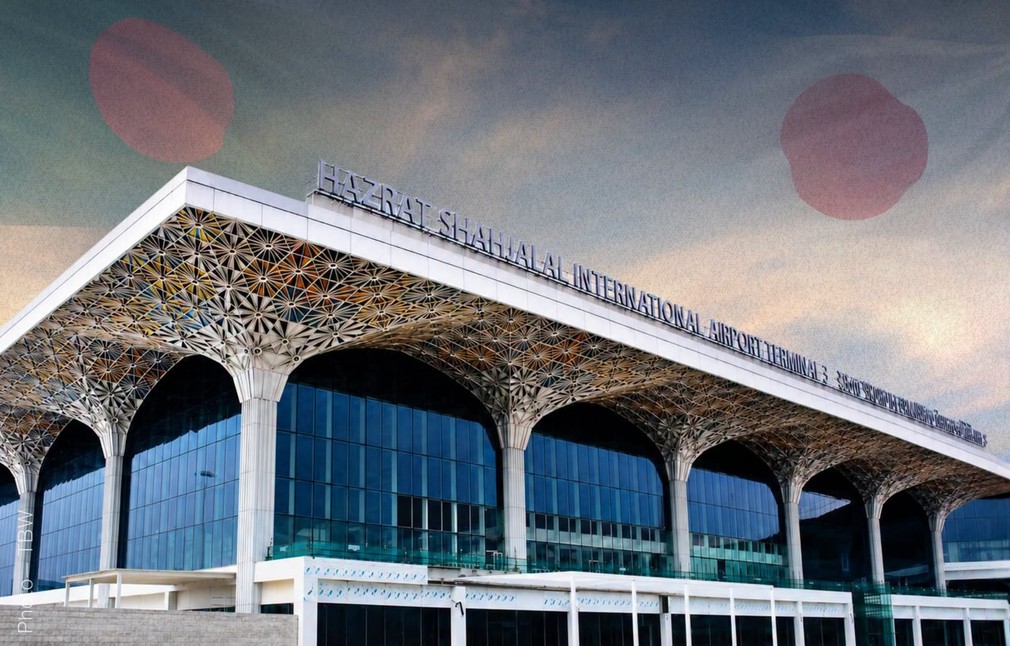
Bangladesh and Japan have agreed to advance preparations for the early operationalisation of Hazrat Shahjalal International Airport’s third terminal, placing the aviation project among the connectivity priorities endorsed at their bilateral summit in Tokyo.
The commitment came in a joint statement issued after talks between Prime Minister Tarique Rahman and Japanese Prime Minister Takaichi Sanae on October 27, during the Bangladesh premier’s official visit to Japan from October 26 to 29.

The leaders “concurred to proceed with preparatory work for the early operationalization” of the terminal, according to the statement.
The summit commitment gives fresh diplomatic impetus to bringing the facility into service. However, the statement sets no opening date and provides no timetable for completing the preparations needed to begin operations.
For passengers, airlines, and tourism businesses, the central issue will now be how the bilateral commitment translates into an operational schedule and a coordinated launch.
Aviation at the centre of connectivity
The third terminal featured alongside Dhaka’s MRT lines and Matarbari Deep-Sea Port in the leaders’ connectivity agenda, reflecting the importance both countries attach to transport infrastructure in sustaining Bangladesh’s economic growth.
The prime ministers reaffirmed their commitment to strengthening connectivity across the region. They also expressed their intention to advance the early construction of Dhaka’s MRT lines and discuss future cooperation, including the operation and management of Matarbari Deep-Sea Port.
Taken together, these priorities point towards closer cooperation across air, urban and maritime transport. For Bangladesh’s aviation and tourism sectors, the airport commitment is particularly significant because international passenger access forms a crucial link between the country and its overseas business, expatriate and visitor markets.
The statement does not detail terminal operating arrangements, airline transfers, ground handling responsibilities or passenger service procedures. Those practical questions remain central to assessing the facility’s readiness for opening.
BIG-B enters a new phase
The connectivity commitments form part of a broader decision to upgrade the countries’ flagship bilateral initiative into “BIG-B for Shared Prosperity.”
The expanded framework aims to integrate power, energy, deep-sea port, industrial and ICT infrastructure, build industrial value chains and develop a trade and supply gateway.
Its four priorities are stronger connectivity, greater resilience against natural disasters and geopolitical uncertainties, public-private cooperation for economic growth and rulemaking, and closer cooperation for peace and stability.
Under the initiative, the two countries agreed to work together to develop the Matarbari-Maheshkhali area into a major logistics, energy and industrial hub centred on Matarbari Deep-Sea Port.
The inclusion of the third terminal within this wider agenda places its opening in the context of Bangladesh’s ambitions to strengthen international connectivity and attract investment.
Investment outlook strengthens the stakes
The summit also highlighted projected Japanese private investment of up to one trillion yen in Bangladesh over the next five years, expected to create 200,000 jobs.
Takaichi welcomed the projection and commended the Rahman administration’s efforts to promote foreign direct investment.
The leaders agreed to build complementary and resilient supply chains in manufacturing, food and agriculture, ICT and pharmaceuticals.
Such investment could support additional business travel and demand for international connections, although the statement provides no passenger or air cargo forecasts linked to the projected investment.
Takaichi emphasised the need to further improve Bangladesh’s investment environment. Rahman committed to enhancing transparency and predictability in procedures covering taxation, customs clearance, remittances and licensing.
The leaders also welcomed the signing of the Japan-Bangladesh Economic Partnership Agreement and committed to its early entry into force to promote trade, investment and industrial diversification.
From summit pledge to passenger service
For the aviation and tourism industries, the summit’s immediate significance lies in the explicit agreement to move forward with preparations for the third terminal’s early operation.
A successful opening will depend on turning that commitment into coordinated action among the authorities, operators, airlines and service providers responsible for the passenger journey.
Operational readiness, clear responsibilities and reliable service delivery will determine how effectively the terminal supports Bangladesh’s connectivity ambitions.
The Tokyo statement establishes a shared political priority. The next milestone will be a clear operational roadmap showing when—and how—the third terminal will begin serving passengers.

Make Comment
Login to CommentPopular News





Subscribe to News Letter
Latest News