Eid tourism dips in Cox’s Bazar and Kuakata
Power outages, heatwaves, and infrastructure gaps cited as key reasons behind lower tourist turnout
 Staff Reporter
| Published: Monday, June 08, 2026
Staff Reporter
| Published: Monday, June 08, 2026
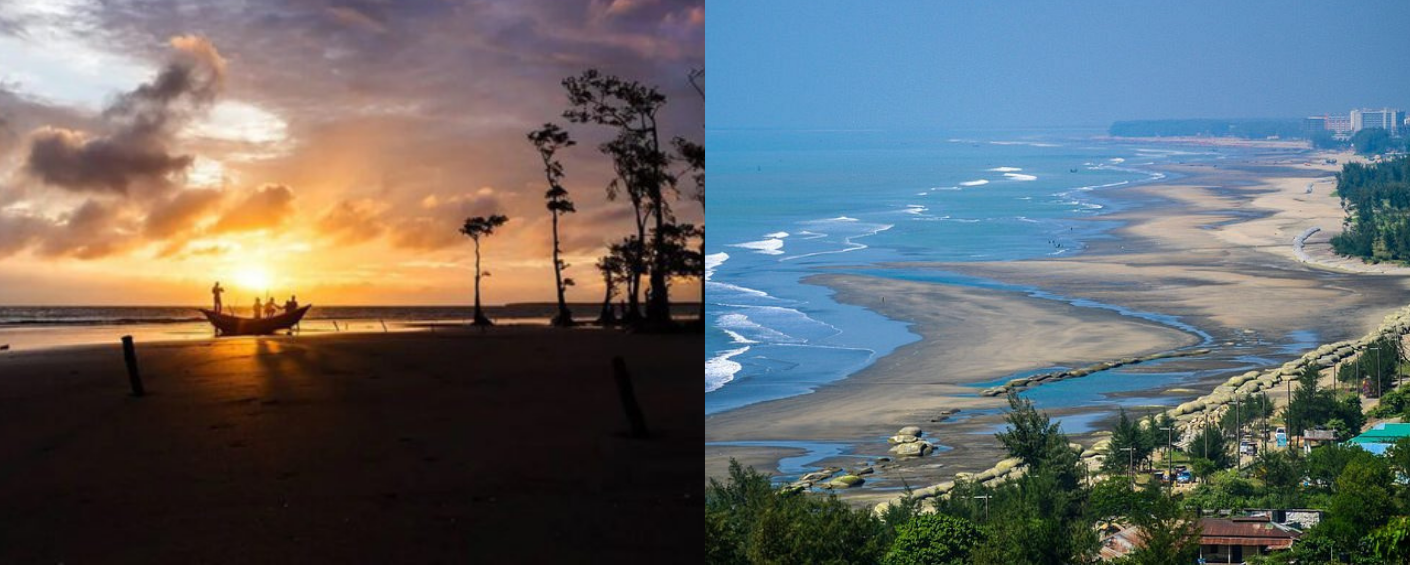
Tourist arrivals in Cox’s Bazar and Kuakata were notably lower than expected during this year’s Eid-ul-Adha holidays, with tourism stakeholders attributing the slowdown to a combination of utility disruptions, infrastructure limitations, seasonal pressures and broader economic constraints.
Power outages and heat dampen holiday travel
Industry representatives said the Eid period, which typically generates one of the strongest domestic tourism peaks of the year, failed to deliver expected footfall despite continued interest in coastal travel destinations. Instead, operational challenges and reduced travel comfort led many visitors to shorten their trips or avoid peak periods.
TOAB President Mohammad Rafiuzzaman noted that the gap between expected and actual tourist arrivals in Kuakata was significant this year.
Industry insiders said the shortfall was evident when compared to previous Eid seasons, which usually generate stronger domestic movement toward coastal tourist hubs.
Md Younus, Director of Media and PR at TOAB, pointed to electricity disruptions as a key factor affecting visitor experience. “Actually the expectations we had—especially regarding electricity—were quite disappointing.” He added that service instability amid hot weather during the peak holiday window directly influenced tourist behaviour. “After Eid, due to intense heat and the significant load shedding in tourist areas, we did not see the expected number of tourists,” he said, adding that a central transformer fault during the final days of the holiday further worsened the situation. According to him, these disruptions resulted in shortened stays, with tourists who had planned two or three-day trips often leaving after a single day.
Beyond utility concerns, stakeholders also pointed to broader seasonal and institutional factors. Industry observers said the timing of academic examinations—particularly the conclusion of SSC exams and the upcoming HSC schedule—may have reduced domestic travel, especially among families and younger travellers who typically contribute significantly to Eid tourism flows.
Economic pressures and seasonal factors at play
Shiblul Azam Koreshi, Immediate Past President of TOAB, said this year’s Eid-ul-Adha travel pattern was lower than historical expectations. “This year it was much lower than what we had expected. This could be due to an economic slowdown. In addition, excessive heat is also considered a factor,” he said, adding that Eid-ul-Adha traditionally accounts for a smaller share of total annual tourist movement compared to Eid-ul-Fitr, when domestic travel peaks are usually higher.
Koreshi also highlighted structural challenges in tourism data collection and forecasting, noting that Bangladesh lacks a comprehensive tourism database. He said this makes it difficult to accurately measure tourist flows and seasonal variations, often forcing the industry to rely on estimates rather than precise figures.
Kuakata’s infrastructure challenges persist
In Kuakata, operators and developers said long-term infrastructure degradation continues to weigh on tourism performance. Mashrafiur Rahman, CEO of Mangrove Hotel and Resort Ltd, said the condition of beach-adjacent infrastructure has deteriorated significantly over time. “The sub-roads and other roads built adjacent to the beach have been completely broken—destroyed, one could say—and have even eroded further inland,” he said. “Accessible road now begins a mile away from Zero Point. In many places, proper infrastructure and services are simply not developing.”
Despite the downturn, stakeholders said interest in coastal tourism remains strong, particularly during holiday periods when domestic travel demand typically spikes. However, they warned that without improvements in infrastructure and service reliability, destinations such as Cox’s Bazar and Kuakata risk failing to fully capitalise on peak tourism seasons.
Industry estimates placed hotel occupancy at around 70% in Cox’s Bazar during the Eid period, with Kuakata reporting similar trends. While not entirely quiet, stakeholders described the season as subdued compared to expectations, underscoring a growing gap between tourism potential and on-ground performance in Bangladesh’s key coastal destinations.

Make Comment
Login to CommentPopular News





Subscribe to News Letter
Latest News