FACE TO FACE
Hub ambition needs cultural shift: Mozibul
 Senior Reporter
| Published: Tuesday, June 16, 2026
Senior Reporter
| Published: Tuesday, June 16, 2026
As Bangladesh’s aviation sector enters a new phase of growth, driven by rising passenger demand, expanding airport infrastructure and growing international connectivity, private-sector players are looking at the next chapter of regional and global expansion.
Among them, TAS Aviation Group remains one of the country’s long-standing aviation service providers. The group represents several foreign carriers including AirAsia Berhad, Thai AirAsia and Kuwait Airways in Bangladesh.
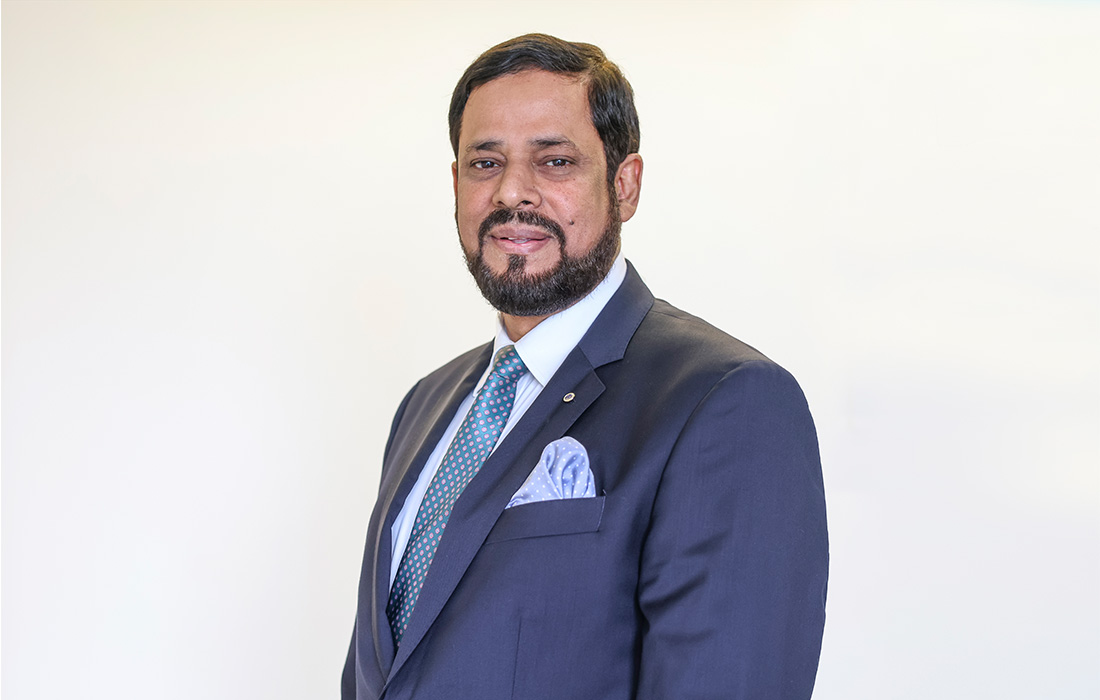
In an exclusive interview with Md Tanzim Anwar, President of Aviation and Tourism Journalists’ Forum of Bangladesh, K. M. Mozibul Hoque, Chairman of TAS Aviation Group, spoke about Bangladesh’s aviation prospects, the Third Terminal, cargo handling, MRO, human-resource development and the role of policy reforms.
How do you assess the current state of Bangladesh’s aviation industry?
We often confuse aviation with airlines. An airline is only one component of the aviation industry. A true aviation industry includes airports, ground handling, cargo operations, maintenance facilities, training institutions, connectivity, tourism and investment.
Compared with regional competitors such as Dubai, Singapore and Qatar, Bangladesh remains far behind in developing a comprehensive aviation ecosystem. These countries have used aviation connectivity to support tourism, business, investment and economic growth. Bangladesh must also think in that broader way.
Bangladesh wants to become an aviation hub. Is it realistic?
It is realistic, but not without a long-term master plan. An aviation hub cannot be created simply by building a terminal. We need clear traffic targets, infrastructure plans, policy reforms and professional implementation.
Bangladesh has a strategic location between East and West. That is a major advantage. But geography alone will not make us a hub. We must create capacity, service quality and connectivity.
What should be the key priorities?
First, airport services must be upgraded to international standards. Second, we need a world-class aviation training institute to produce pilots, engineers, cabin crew and technical personnel. Third, Bangladesh needs modern MRO facilities. Fourth, cargo management, catering, ground handling and ancillary services must meet global standards.
These are not separate issues. Together, they form the backbone of an aviation hub.
What role can the Third Terminal at HSIA play?
The Third Terminal is a positive step. But one terminal alone cannot make Bangladesh an aviation hub. The most important thing is to introduce a new service culture.
If the operational culture of the existing terminals is transferred to the new terminal, we will lose a historic opportunity. The Third Terminal must bring international-standard service management, discipline, efficiency and accountability.
There is debate over cargo handling and Biman’s continued dominance. What is your view?
Bangladesh needs a cultural shift in aviation. Cargo villages and ground handling operations should be managed by internationally experienced operators. Ownership may remain with the government, but operations should be given to proven global companies.
Professional operators can improve efficiency, safety, compliance and service quality. They can also transfer knowledge to local manpower. Aviation is the face of a nation. A foreign investor or tourist forms an impression of the country from the airport.
How important is MRO development for Bangladesh?
It is critical. Bangladesh should establish a world-class MRO facility through partnership with experienced international companies. Airlines now spend large amounts of foreign currency on overseas maintenance and simulator training.
A modern MRO centre would serve local airlines and also attract regional business. It can become a major source of foreign currency earnings. Bangladesh should not only serve its own market, it should serve the region.
You also emphasize aviation training. Why?
Aviation is a human-resource-driven industry. The world will face a major shortage of pilots, cabin crew and technical personnel in the coming years. Bangladesh should establish an internationally accredited aviation institute.
If we can train pilots, engineers, cabin crew and ground staff at global standards, we can meet our own demand and export skilled manpower. Students from other countries may also come here for training if we create the right institution.
What lessons can Bangladesh learn from AirAsia and other markets?
Malaysia created the right policy environment for low-cost carriers. AirAsia grew because the government allowed competition, supported infrastructure and adopted a proper budget carrier policy.
Bangladesh should introduce a dedicated low-cost carrier policy. Domestic aviation must become more affordable. Air travel should compete with buses and trains on time, efficiency and convenience. That will create new passengers, not only divide the existing market.
How can Bangladesh attract transit passengers?
We need to move beyond point-to-point thinking. Millions of passengers travel every year between the Middle East and Southeast Asia. Bangladesh is located in the middle of that route.
With proper frequency, airport capacity and network planning, Dhaka can become a transit point. Transit passengers spend money at airports, create business and later may become tourists. But this needs professional network planning and a clear roadmap.
What role should the private sector play?
Aviation development worldwide has largely been driven by private-sector participation. The government should create the policy framework and regulatory environment, while private investors bring capital, expertise and innovation.
Private participation and public-private partnerships are essential for airport services, training institutes, MRO facilities, cargo villages and ancillary services. Investors do not need repeated invitations if the right environment exists. They will come if the framework is secure and business-friendly.
What are the major regulatory challenges?
Civil aviation authorities worldwide operate independently under ICAO standards. Bangladesh should move toward a more autonomous and technically capable regulatory framework.
The regulator must have authority, expertise and operational freedom. Excessive interference weakens professionalism. Safety, compliance and industry growth require a strong, independent and skilled civil aviation authority.
Finally, are you optimistic about Bangladesh’s aviation future?
Absolutely. Bangladesh has the ingredients to become a regional aviation hub. We have location, a growing economy, passenger demand and a large population.
The recent focus on aviation is encouraging. But ambition must be followed by roadmap, master plan, policy shift, investment, human-resource development and a real cultural shift in airport services. If government and private sector work together, Bangladesh can become a competitive regional aviation hub within the next decade.

Make Comment
Login to CommentPopular News




Subscribe to News Letter
Latest News