Islampur cloth market faces sharp decline amid crisis
 Desk Report
| Published: Tuesday, December 30, 2025
Desk Report
| Published: Tuesday, December 30, 2025

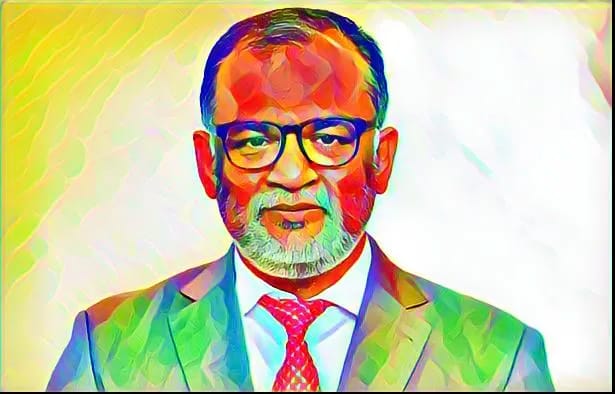
Illustration: Niemur Rahman Emon.
Old
Dhaka's historic textile hub struggles as daily sales plummet from TK 4-5 lakh
to TK 20,000-40,000 amid economic uncertainty
Islampur, one of Bangladesh's oldest and largest wholesale
clothing markets, is experiencing a significant decline in business due to
political uncertainty, economic instability and the ongoing dollar crisis.
Market generates annual business worth approximately TK 25,000
crore to TK 30,000 crore, with substantial portion occurring during Ramadan,
according to Prothom Alo report. However, traders say daily sales have
plummeted dramatically over recent years.
Mohammad Borhanuddin Gazi, who started his business in
1977-1978, described the current situation. "There was a time when we were
so busy that we barely had time to eat or pray. Now, the situation is very
different. Earlier, we could sell TK 4 lakh to 5 lakh daily. Over the past
three or four years, daily sales often do not even reach TK 1 lakh," he
said.
Current daily sales range between TK 20,000 and TK 40,000,
while daily expenses exceed TK 10,000. Business deteriorated further after 5th
August, traders reported.
Located in Old Dhaka, Islampur was named during Mughal era
after Islam Khan Chishti, Subahdar of Bengal. Area was previously known as
Aampotti due to mango trading before wholesale cloth trading began developing
from 1773 during British East India Company rule.
Market now operates through over 10,000 shops across more
than 150 markets including Bikrampur Garden City, Gulshan Ara City, South
Plaza, Jahangir Tower and China Market, according to 2024 Prothom Alo report.
Cloth trade has expanded to nearby areas such as Sadarghat and Faridabad.
Retailers from across Bangladesh purchase wholesale rolls of fabric, sarees, lungis, shirts, trousers, pyjamas, panjabis and various ready-made garments from Islampur. Business volumes increase several times during Ramadan and two Eids, particularly Eid-ul-Fitr and Eid-ul-Adha.


Make Comment
Login to CommentPopular News



Subscribe to News Letter
Latest News