Migrant workers must be treated as rights-bearing humans, not mere labor: Ariful
 Desk Report
| Published: Thursday, May 07, 2026
Desk Report
| Published: Thursday, May 07, 2026
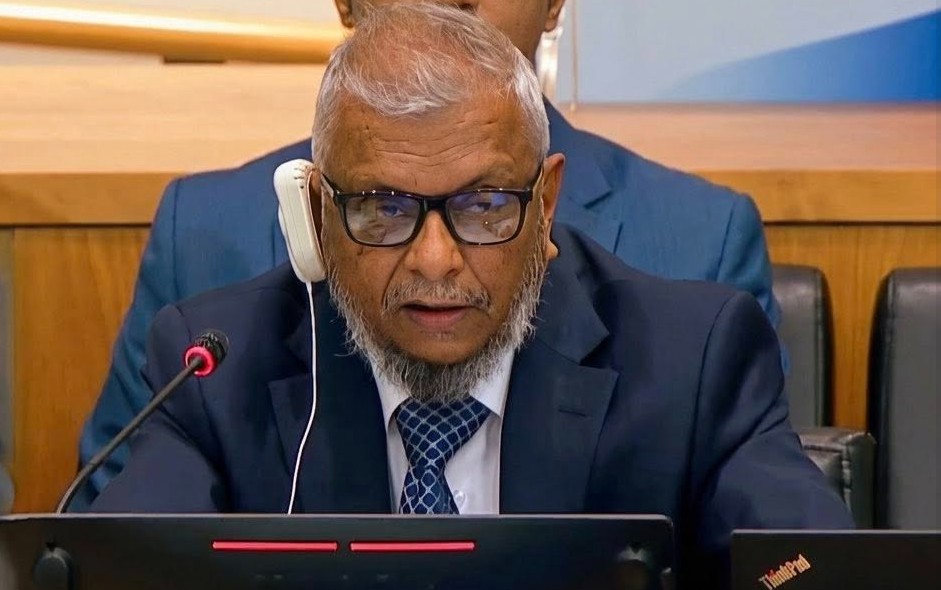
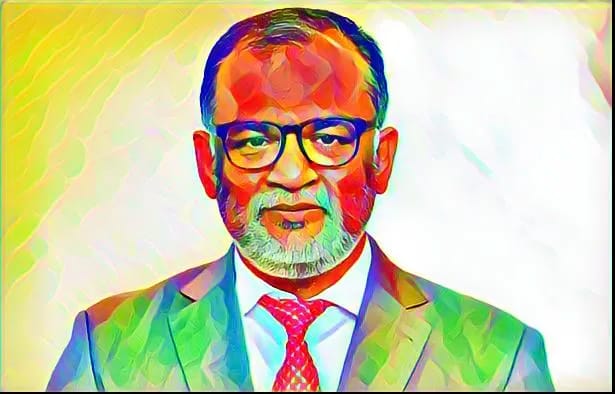
Minister for Expatriates' Welfare and Overseas Employment, Ariful Haque Chowdhury spoke as the co-chair at the nternational Migration Review Forum at UN Headquarters in New York. Photo: Ministry
Bangladesh's Minister for Expatriates' Welfare and Overseas Employment, Ariful Haque Chowdhury, used the floor of the United Nations on Tuesday to share a targeted insight: migrant workers must be recognised not as disposable labour, but as people with rights.
Speaking as co-chair at the Multi-Stakeholder Round Table 4 of the International Migration Review Forum at UN Headquarters in New York, Minister Chowdhury singled out domestic workers, agricultural labourers, and workers in the informal sector as groups facing the highest levels of vulnerability.
The Ministry of Expatriates' Welfare and Overseas Employment released the information through a press statement on Wednesday.
He called for a rights-based approach to shield them from exploitation and unsafe working conditions.
The minister outlined several pressing priorities for the international community—among them, the collection of accurate, analysis-driven and comparable migration data, the strengthening of national statistical systems, better inter-agency coordination, and the safeguarding of individual privacy and human rights.
He stressed that migrants must have access to timely, reliable information at every stage of their journey, delivered through one-stop service centres, digital platforms, and community-based initiatives.
Addressing what he described as a growing threat to social cohesion, Minister Chowdhury warned against xenophobia and misinformation-driven anti-migration campaigns. Countering them, he argued, requires accountability, digital literacy, and inclusive public discourse — not silence or indifference.
Calling for stronger bilateral and global cooperation, he said the challenge of migration governance is too complex for any single government or institution to manage alone. The only viable path forward, he argued, is a "whole-of-government and whole-of-society" approach—one that places dignity, protection, and the well-being of all migrants at its centre.

Make Comment
Login to CommentPopular News




Subscribe to News Letter
Latest News