No airline failures yet as travel demand cushions jet fuel crisis: IATA
Airlines raise fares and cut capacity as fuel costs surge worldwide
 Desk Report
| Published: Thursday, April 09, 2026
Desk Report
| Published: Thursday, April 09, 2026
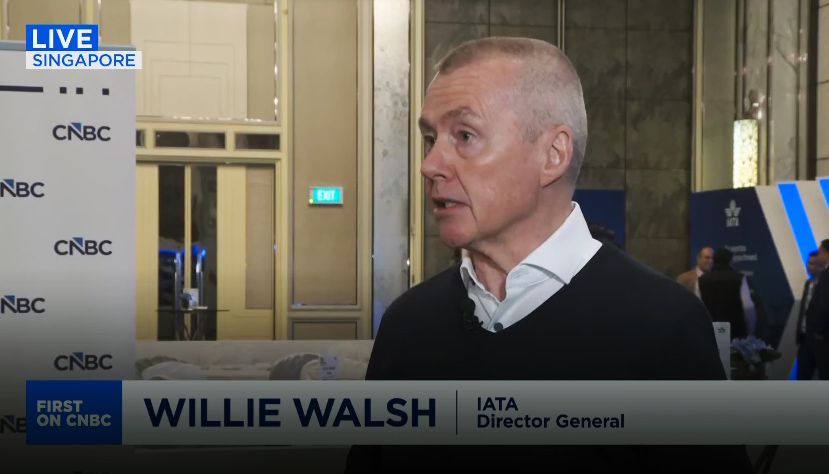
Photo: TV Screenshot
Airlines are facing rising fuel costs, supply risks and operational pressure, but the global aviation sector is holding steady for now, with strong travel demand helping offset the crisis, said IATA Director General Willie Walsh.
Carriers are increasing fares and cutting capacity as oil prices rise, but there is no immediate risk of airline failures, Walsh said in an interview with CNBC.
“I don’t think so,” he said when asked about potential failures, noting that the industry is still early into the disruption.
He added that underlying fundamentals remain strong, with demand for flying continuing to hold up globally despite the challenges.
A key reason airlines are staying resilient is sustained passenger demand.
Walsh said demand for air travel remains “very strong”, based on feedback from airline CEOs worldwide.
This demand is helping airlines manage rising costs, even as some regions — particularly in the Middle East — face more disruption than others.
Airfares rising worldwide
Airlines are already passing on higher fuel costs to passengers.
“There’s no way airlines can absorb it,” Walsh said, adding that carriers have started increasing ticket prices and introducing other measures to manage costs.
These include adjusting routes and tightening capacity in response to both higher oil prices and supply risks.
Fuel is a variable cost, meaning airlines must respond quickly to price swings. Many have already used the available levers, including fare hikes and route adjustments.
Capacity cuts amid supply concerns
Capacity reductions are not just about cost control. Walsh explained that airlines are also cutting flights to manage the risk of jet fuel shortages, particularly in Asia, where supply has been most affected.
Fuel availability — not just price — remains a key concern for carriers navigating the current environment.
However, despite the disruption, Walsh indicated that the impact may not be long-lasting.
He pointed to oil market expectations that crude prices could fall below $80 by the end of the year, suggesting the current spike may ease over time. The IATA chief is soon set to take over as CEO of India's IndiGo.
Source: CNBC/Gulf News

Make Comment
Login to CommentPopular News



Subscribe to News Letter
Latest News