Swapon seeks UNDP, UNFPA supports for Bangladesh development priorities
 Desk Report
| Published: Tuesday, November 17, 2026
collected
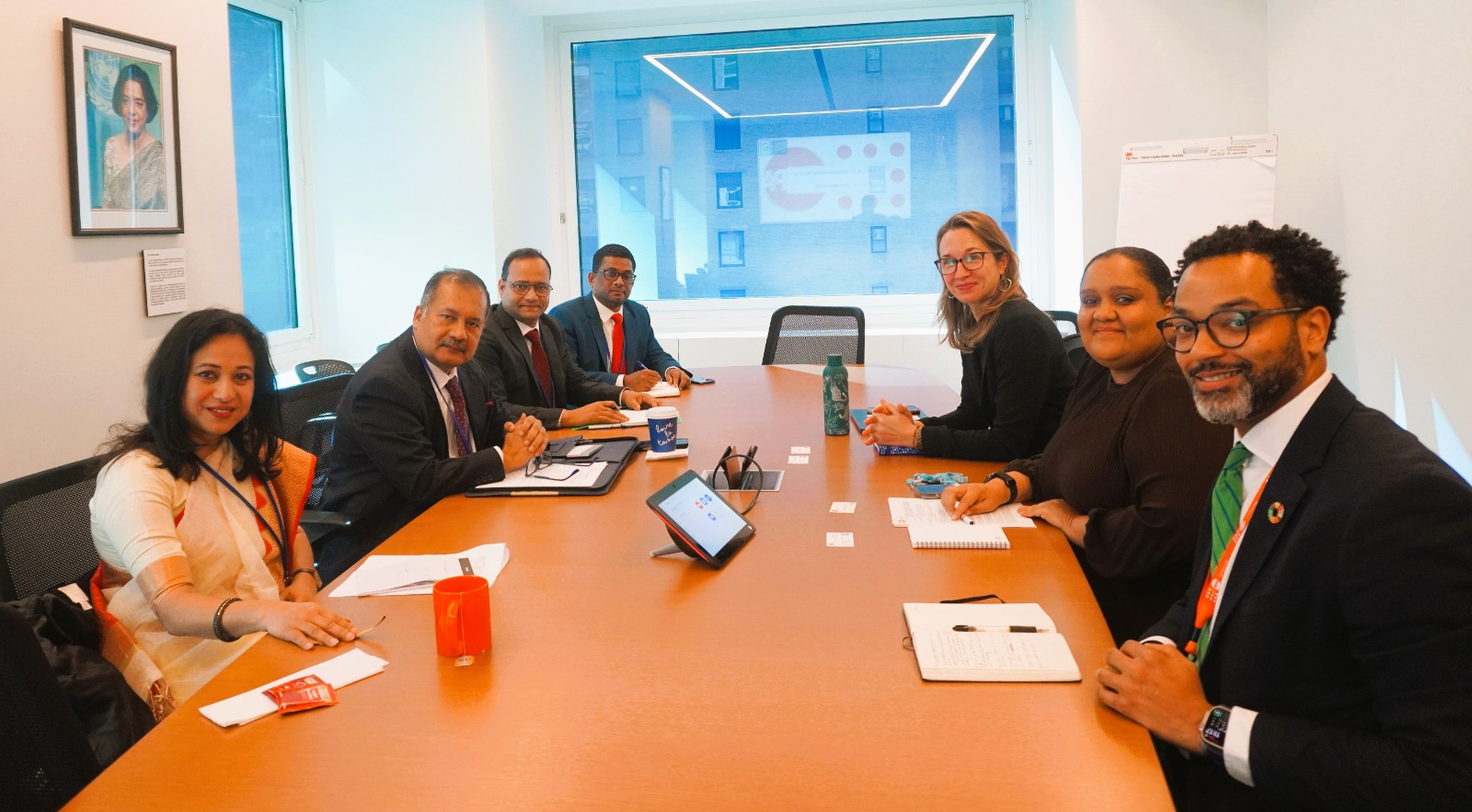
Prime Minister's Political Adviser Zahir Uddin Swapon has sought stronger support from the United Nations Development Programme (UNDP) and the United Nations Population Fund (UNFPA) to enhance Bangladesh's institutional capacity, advance economic reforms, foster an investment-friendly environment, and address demographic challenges.
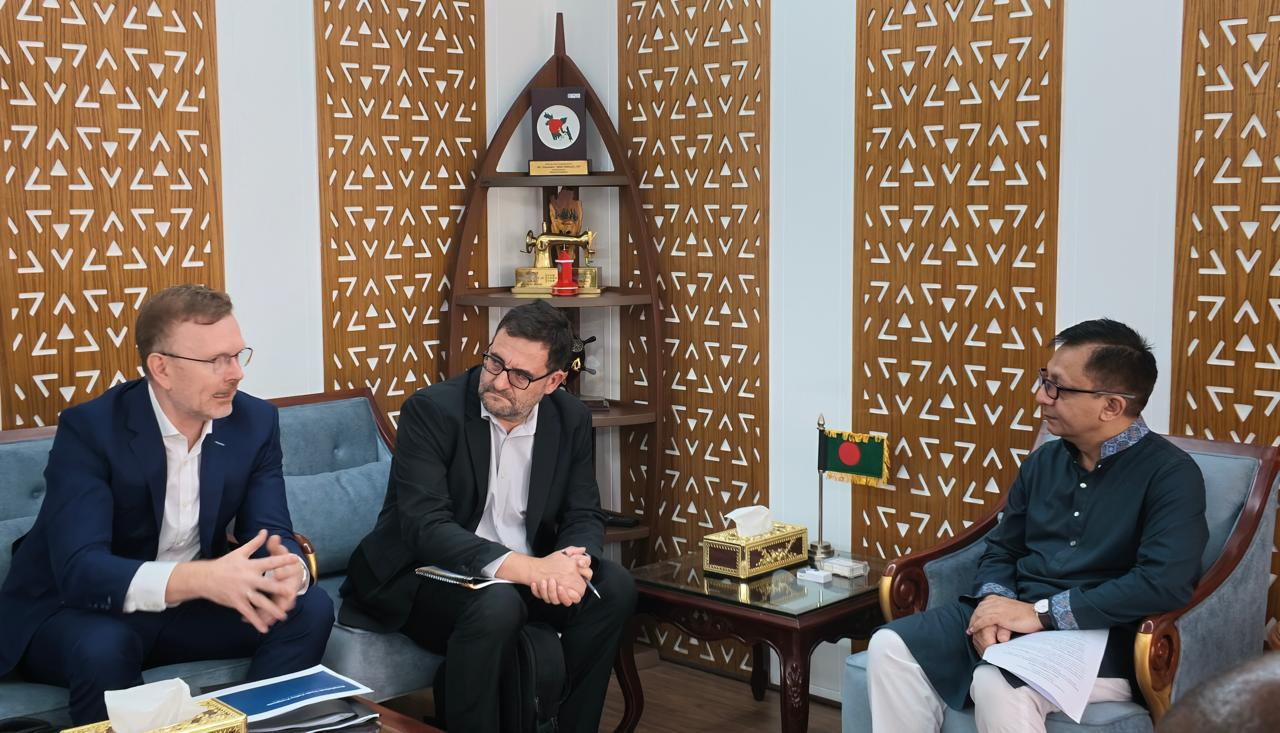
At the UN Headquarters in New York on Monday, he sought this cooperation during separate meetings with UN Assistant Secretary-General, UNDP Assistant Administrator, and Regional Director for Asia and the Pacific Kanni Wignaraja, and Soyoltuya Bayaraa, Deputy Director of Programme Division at UNFPA (representing UNFPA Executive Director Dr Diene Keita).
The meetings were attended by Bangladesh's Charg‚ d'Affaires to the United Nations in New York Ambassador Sanchita Haque, along with senior officials from both UN agencies and the Bangladesh Permanent Mission in the UN, according to a message received here today.
In his meeting with UNDP Regional Director Kanni Wignaraja, Swapon highlighted the need for technical assistance to navigate the challenges following Bangladesh's graduation from the Least Developed Country (LDC) status and to implement a 'Smooth Transition Strategy' (STS).
He emphasised the importance of strengthening institutional capacity, improving the business and trade environment, attracting foreign investment, and diversifying export products.
Kanni Wignaraja assured that the UNDP would work closely with Bangladesh to bolster institutional capacity, modernise commercial laws, and create an environment conducive to investment.
During his meeting with UNFPA Deputy Director Soyoltuya Bayaraa, the adviser requested further support for population research, the collection of reliable demographic data, and evidence-based policymaking.
In response, Bayaraa outlined the UNFPA's ongoing initiatives, including efforts to improve maternal and reproductive healthcare, expand midwifery services, prevent violence against women, and provide support to vulnerable populations, including Rohingya women.
At the same time, she reaffirmed the organisation's commitment to working more closely with Bangladesh and expanding cooperation in the future.
Swapon proposed that the ongoing programmes of both organisations be made more relevant and up-to-date, with the aim of enhancing the capacity of members of Bangladesh's parliamentary committees to ensure effective accountability regarding government activities.
Representatives from both UN agencies welcomed this proposal and expressed their interest in taking the necessary initiatives and expanding their cooperation to this end.

Make Comment
Login to CommentPopular News




Subscribe to News Letter
Latest News