Cabo Verde’s soccer success send travelers searching
The Blue Sharks’ historic debut send vacation searches soaring
 Desk Report
| Published: Saturday, July 18, 2026
Desk Report
| Published: Saturday, July 18, 2026
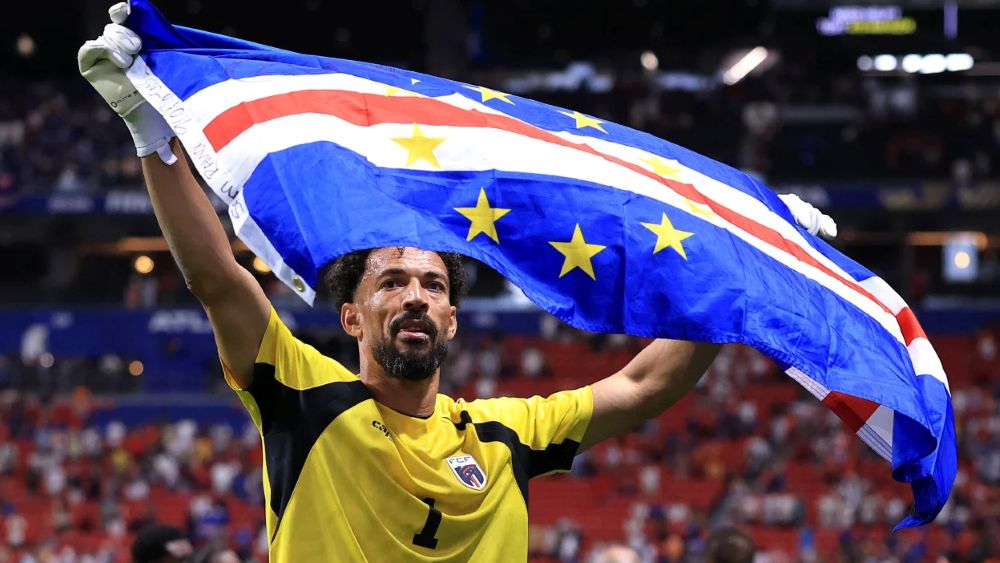
Photo: Collected
Cabo Verde’s World Cup run ended in extra time, but its tourism bump may just be getting started.
Since the African island nation (commonly called Cape Verde in English) made its World Cup debut, its national team, nicknamed the Blue Sharks after the Atlantic waters surrounding the country, became the smallest nation by population to reach the knockout stage and picked up a global following along the way.
The team advanced without winning a match, holding Spain scoreless and twice coming from behind against Uruguay. In the round of 32, Cabo Verde pushed defending champion Argentina into extra time before narrowly losing 3-2.
As the run unfolded, U.S. Google searches for “Cabo Verde vacation” jumped by more than 5,000 percent compared with the previous year. Expedia recorded a similar surge, with searches from American users increasing by more than 800 percent. The interest extended beyond the United States: European travel operator TUI reported that searches for the destination had doubled since June 2025, while searches from Japan rose by 110 percent.
For a country of roughly 525,000 people, the match placed Cabo Verde in front of an audience far larger than its population and prompted many viewers to ask two basic questions: Where exactly is it, and should I go there on vacation?
Get to know Cabo Verde
Cabo Verde is an archipelago of 10 volcanic islands in the Atlantic Ocean off the coast of West Africa. Nine of the islands are inhabited, and each offers its own distinct character — from the beach resorts of Sal and Boa Vista to the mountains of Santo Antão and the dramatic volcanic landscape of Fogo.
Initially uninhabited, Cabo Verde was first settled by the Portuguese in the 15th century (Portuguese is still commonly spoken there). In the intervening centuries, Portugal used the islands as a base for its shipping routes and the international slave trade, according to the Cape Verdean Museum. The nation gained independence from Portugal in 1975.
The country was already a major vacation destination before soccer fans began Googling it. In 2025 alone, its hotels welcomed nearly 1.25 million guests. During the first quarter of 2026, the country was up 16.8 percent in guest arrivals from the same period in 2025. Tourism accounts for roughly a quarter of the country’s economy, which had a GDP of about $3.1 billion in 2025.
American travelers remain a much smaller part of the industry. The United States accounted for only 1.1 percent of the country's foreign hotel guests in 2025, which makes the current search spike notable even if only a fraction of those searches turn into booked trips.
This kind of tourism boost is exactly what countries hope for when they spend a lot of money to host or participate in global sporting events. Qatar invested an estimated $220 billion in stadiums, transportation, hotels, and other infrastructure for the 2022 World Cup, aiming to establish itself as an international destination. The strategy worked, at least partially—the country welcomed 4 million visitors in 2023 and is targeting well over 6 million annually by 2030.
Cabo Verde, by contrast, generated the same buzz with just four standout games and a handful of breakout stars, like goalkeeper Josimar José Évora Dias, better known as Vozinha, who gained roughly 20 million followers during the tournament.
Source: Mashable

Make Comment
Login to CommentPopular News





Subscribe to News Letter
Latest News